Aman Kyoto: Where the Forest Keeps a Secret
Hidden within Kyoto’s forested hills, Aman Kyoto brings together centuries-old gardens, traditional Japanese hospitality and an intimate sense of tranquillity.
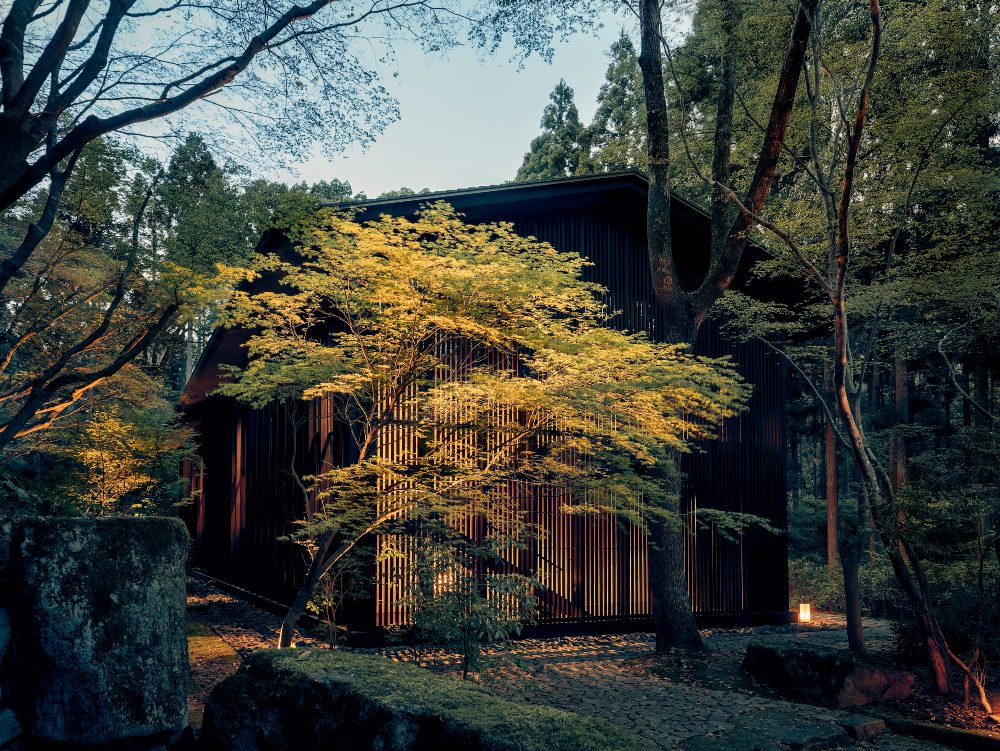
There is a moment, about thirty minutes after you leave Kyoto Station, when the city simply lets go of you. The streets thin, the roofs lower, the hills lean in, and somewhere past a bend you could easily miss, a gate opens onto a garden that has been quietly minding its own business for four hundred years. This is Aman Kyoto, and it does not announce itself. It waits, like the best people do.
I should confess something. I lived in Tokyo for a year, so I consider myself fluent in Japanese quiet: the polite, pressed, impeccably folded kind. This hillside hideaway speaks a different dialect altogether. This is the quiet of a place that has been left alone, and it hit me somewhere between the gate and the first moss-covered step. I arrived with a to-do list. It lasted until the moss.
A Garden That Became a Hotel
The story begins long before the hotel. The land was once the garden of a textile museum, part of the same northern hills where an artistic community gave rise to the Rinpa school of painting centuries ago. When the brand came to build, the late Kerry Hill, the architect behind Aman Tokyo and Amanemu, did something very few architects have the humility to do: he mostly stepped out of the way. The retreat, which opened in November 2019, was among his last projects.
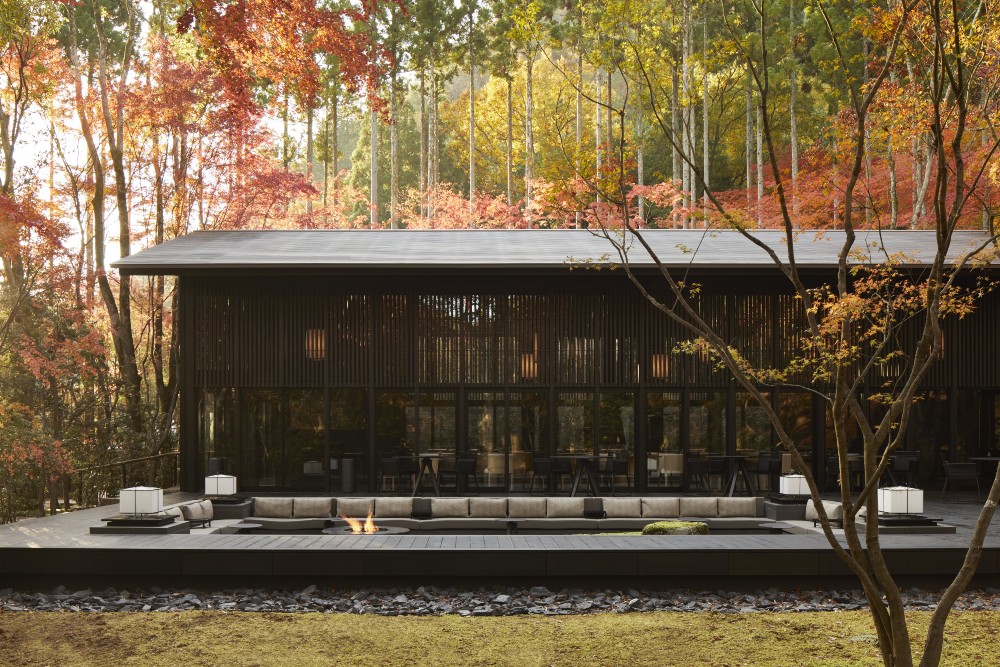
His black timber pavilions, topped with zinc roofs, sit lightly on the garden’s old terraced platforms, so the architecture feels discovered rather than built. Paths of stone blanketed in moss thread between them. A small stream murmurs along the edge. At the heart of it all lies a formal lawn, named the Kerry Hill Garden in his honor, where sculptural boulders rest as if placed there by a patient giant with excellent taste.
Inside, there is no ornament shouting for attention. The palette is muted, the lines are low and calm, and the furniture is custom-made and quietly extraordinary. The 26 rooms take their cue from the old Japanese inn, with glass that lets the forest walk right in. Pajamas are folded on the bed. Moss-green umbrellas wait by the door, so you can wander out into the rain looking like part of the landscape. (They are, I should note, the most photogenic things I have ever been lent and expected to return.)
Spring to Autumn, and Everything in Between
The garden is a clock, and it tells the time in color. In spring the green is so new it looks wet. By summer it deepens into something dense and humming, the forest turned all the way up. And in autumn, the maples do what Kyoto’s maples have always done: they go crimson, slowly and then all at once, until the moss glows against a wall of red.
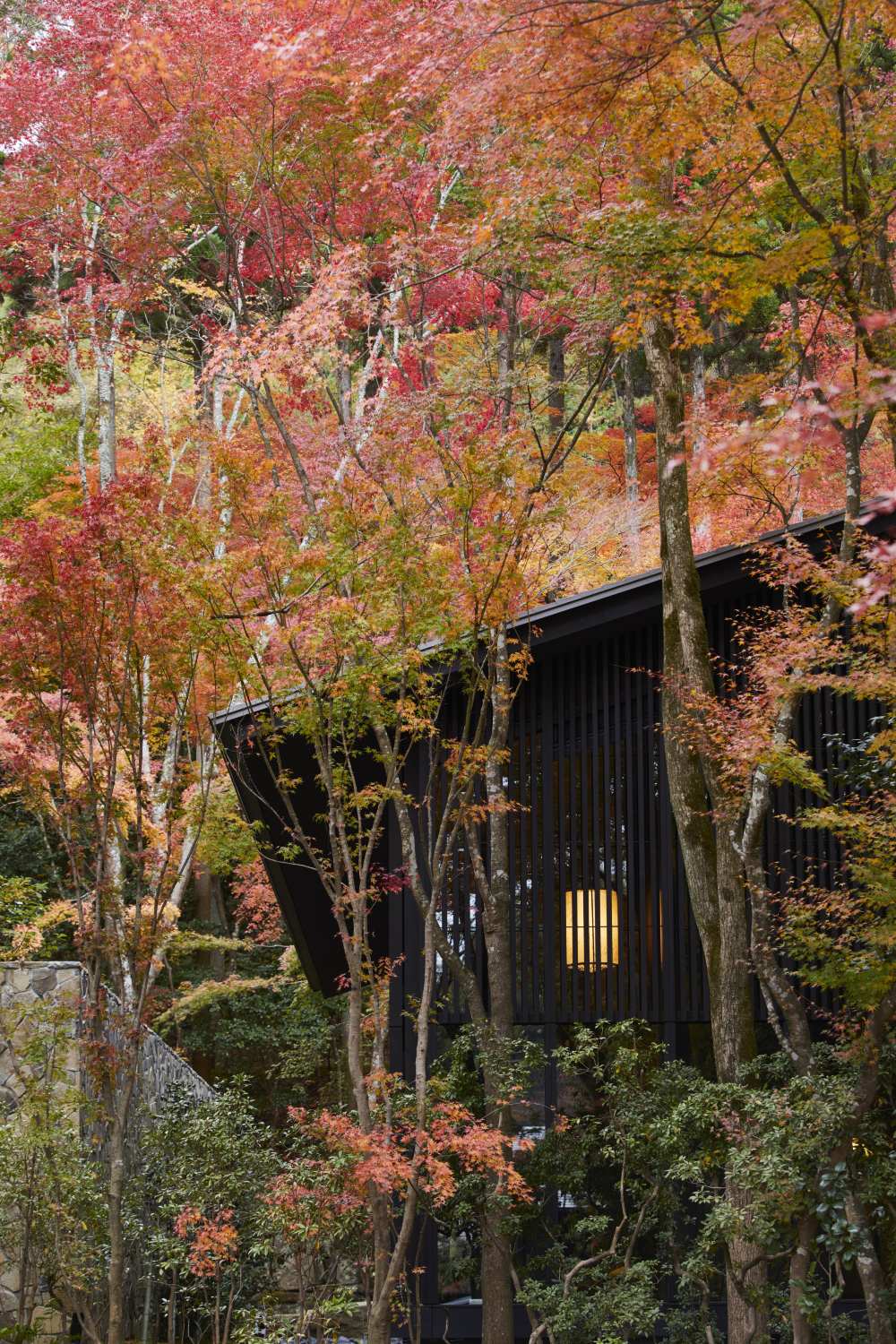
I came in late September, at the hinge of the year, when the green is still holding on but you can feel it thinking about crimson. A single leaf at the edge of the path had already made up its mind. It felt like being let in on a secret.
Water, Warmth, and the Sound of Rain
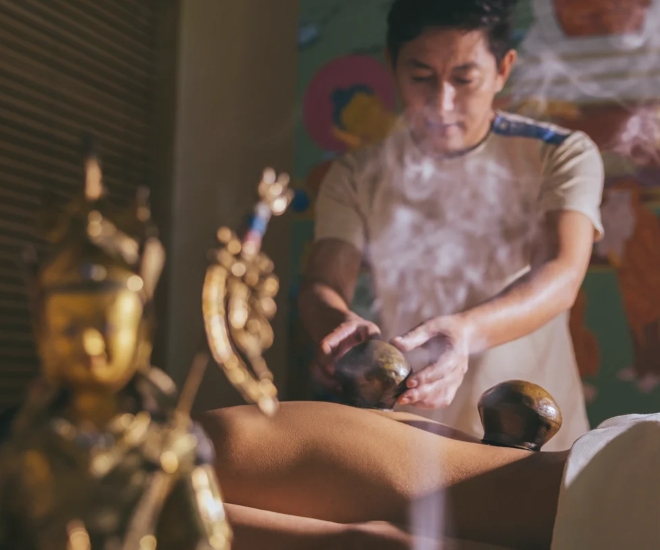
Beneath the grounds flows natural spring water, and the resort’s spa has made the most of it with traditional onsen bathing, indoors and out. I lowered myself into the water as the afternoon light went soft, steam lifting into the trees, and felt a year of airports leave my shoulders. Treatments draw on local ingredients, from Kyoto green tea to camellia oil, and the pace is deliciously unhurried.
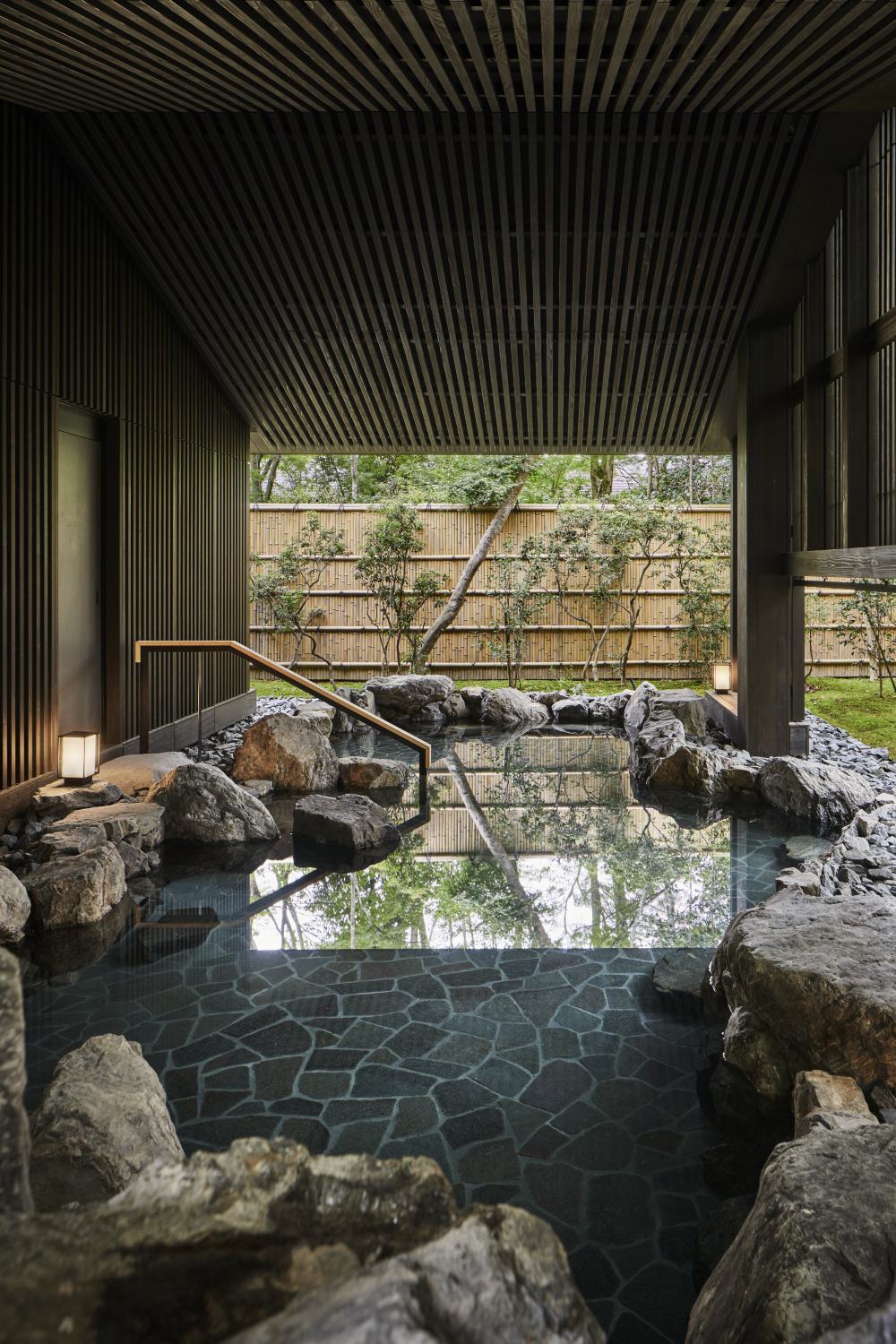
Then came the rain. At night it arrived on the roof and the leaves, a steady, tender percussion that no playlist on earth has managed to replicate. I lay in the dark with the garden breathing outside the glass and, for the first time in weeks, did absolutely nothing. At sunset, the lanterns come on along the paths, and the whole estate turns amber and hushed, as if the day has been gently put to bed.
Tea, Properly
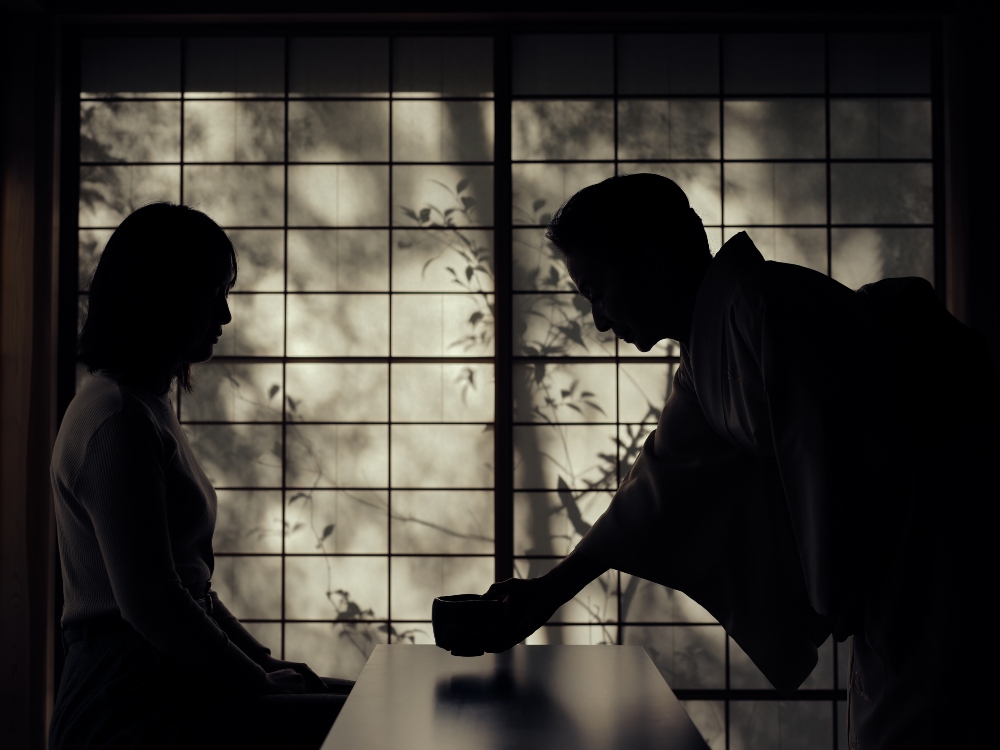
There is tea, and then there is tea in the forest. Tucked into the garden is a small tea house called Senkutsu, and a private ceremony there is, to my mind, non-negotiable. Dressed in a kimono, I knelt while the green tea was whisked and presented with a calm that made my own pulse slow to match. Every gesture was precise and unhurried. Nothing was for show. It is the closest I have come to understanding that in Japan, tea is less a drink than a way of paying attention.
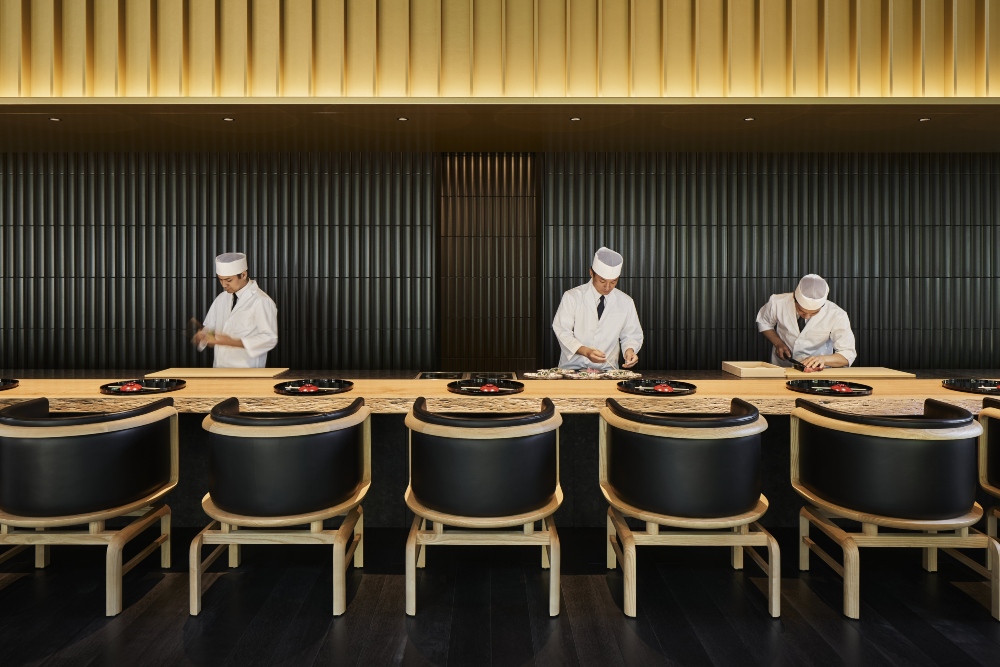
The ritual returned after dinner at Taka-an, the Japanese restaurant, named in homage to the artist Honami Koetsu. I sat at the counter for an omakase sushi dinner, watching the chefs work with the focus of surgeons and the grace of dancers, each piece handed over at the exact moment it should be eaten. Tea afterward felt like a full stop to a perfectly written sentence.
And then, because I am a person with weaknesses, there was the muskmelon shaved ice. I will say it plainly: I came for the architecture and stayed for the shaved ice. Fragrant, cold, and absurdly delicate, it dissolved on the tongue like a summer you didn’t want to end.
Breakfast, Which Deserves Its Own Paragraph
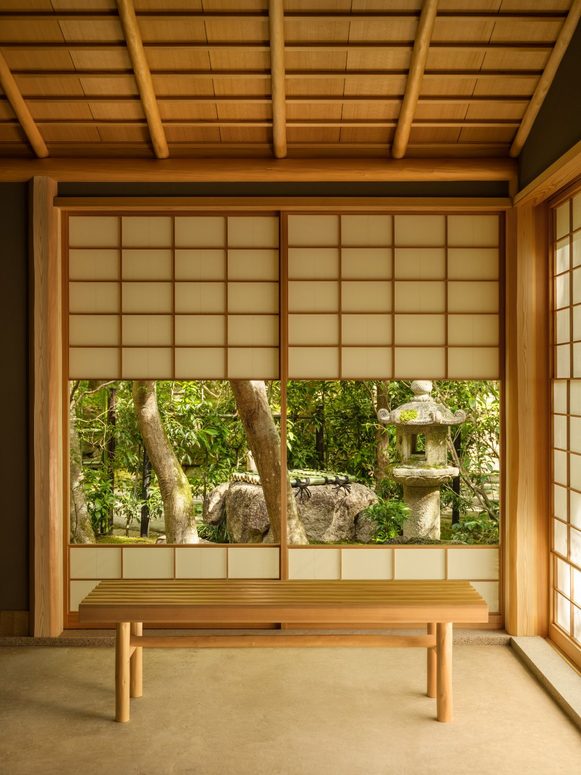
I have eaten breakfast at some of Tokyo’s best hotels. I say this with authority and a mild sense of betrayal: the Japanese breakfast here was my absolute favorite of my entire Japan trip. Perhaps it was the setting, the garden washed in early light, the small bowls arriving one by one. Perhaps it was that I had slept like a stone. Either way, I would fly back for it.
The Golden Neighbor
Just over half a mile from the gates stands Kinkaku-ji, the Golden Pavilion, glittering on its pond like a rumor of wealth. It is breathtaking, and it is also, let us say, popular. The beauty of staying so close is that you can visit the gold and then retreat to the green, which is quite a lot more restful.
Leaving
Departure comes too soon, and gently, which somehow makes it worse. The car pulls away, the moss recedes, and the city rushes back in with its noise and its neon. But a little of the forest stays with you. Aman Kyoto is not a hotel you stay in so much as a feeling you carry out: the sound of rain, the weight of a tea bowl, a quiet that has finally learned your name.
Images courtesy of Aman.
For more on the latest in lifestyle, culture and travel reads, click here.