How a Full-Service Landscape Firm Transforms a Yard From Scratch
A successful landscape transformation brings design, drainage, hardscaping, planting and maintenance together to create a durable, functional outdoor space.
A bare yard presents more than a planting opportunity. Grading, drainage, soil conditions, access, outdoor-living goals, and long-term maintenance all shape the outcome. A full-service firm coordinates these decisions before construction begins, reducing conflicts between separate contractors and creating a property that works as one connected space. For St. Louis homeowners, local soil and seasonal changes add another layer of planning, which makes the process especially important.
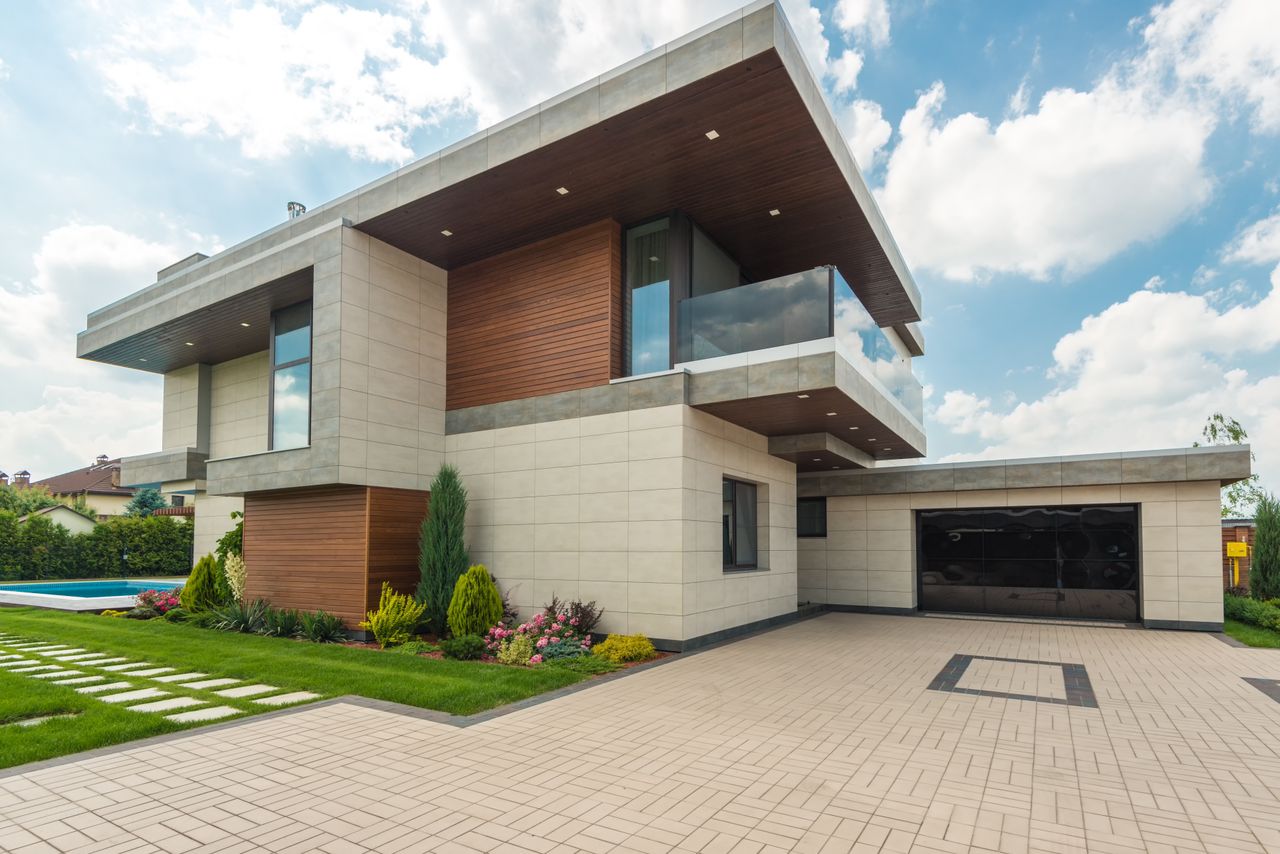
Planning The Property As One System
The work begins with a site review. The team studies slopes, drainage patterns, existing vegetation, sun exposure, property lines, utilities, and areas with regular foot traffic. These details determine where patios, planting beds, lawns, walls, and water-management features should go. A clear plan also establishes priorities. A family might need a level play area, a shaded seating space, and better drainage near the foundation. Another property might require a pool, outdoor kitchen, privacy planting, and a low-maintenance garden. A full-service firm places each feature within one plan instead of treating every request as a separate job.
Homeowners seeking coordinated professional landscaping services benefit from a single team that manages design, construction, planting, and maintenance. That structure keeps measurements, materials, grading decisions, and planting plans connected throughout the project. It also gives the homeowner a single point of contact when the work spans several construction phases.
Creating A Precise Design
A design plan translates broad ideas into measurable decisions. Poynter Landscape describes using computer-aided design drawings to develop custom plans for residential properties. These drawings show how structures, paved areas, planting zones, lighting, irrigation, and elevation changes relate.
Three-dimensional renderings provide another useful planning view. Homeowners can review proportions, sightlines, circulation routes, and material placement before excavation begins. Early revisions cost less than changes made after concrete, walls, or irrigation lines are installed.
The design must also account for Missouri conditions. St. Louis properties often contain dense clay soil, which affects drainage, root growth, and grading. A plan that ignores those conditions can produce standing water, stressed plants, or erosion after heavy rain.

Preparing The Site Correctly
Construction starts with site preparation, not decorative planting. Crews remove unwanted material, establish finished elevations, and shape the ground so water moves away from structures and toward suitable drainage areas.
Drainage solutions vary by property. A sloped yard might need a retaining wall, a channel drain, or carefully placed grading. A compacted area might require soil improvement before turf or planting beds can succeed. Correcting these conditions early protects later work and reduces repairs.
Access also affects the schedule and construction method. Narrow gates, steep grades, mature trees, and limited staging areas influence equipment selection and material delivery. A coordinated contractor identifies these constraints before crews begin moving soil or hardscape materials.
Building The Hardscape
Hardscape construction provides the yard’s usable framework. Patios, terraces, walkways, driveways, walls, decks, pergolas, and pavilions each require appropriate bases, drainage, dimensions, and connection points.
Outdoor living features demand additional coordination. An outdoor kitchen needs space for movement, utility planning, and a durable surface. Fireplaces and fire pits need proper placement away from combustible structures. Pool projects require careful relationships between paving, drainage, safety access, planting, and equipment areas.
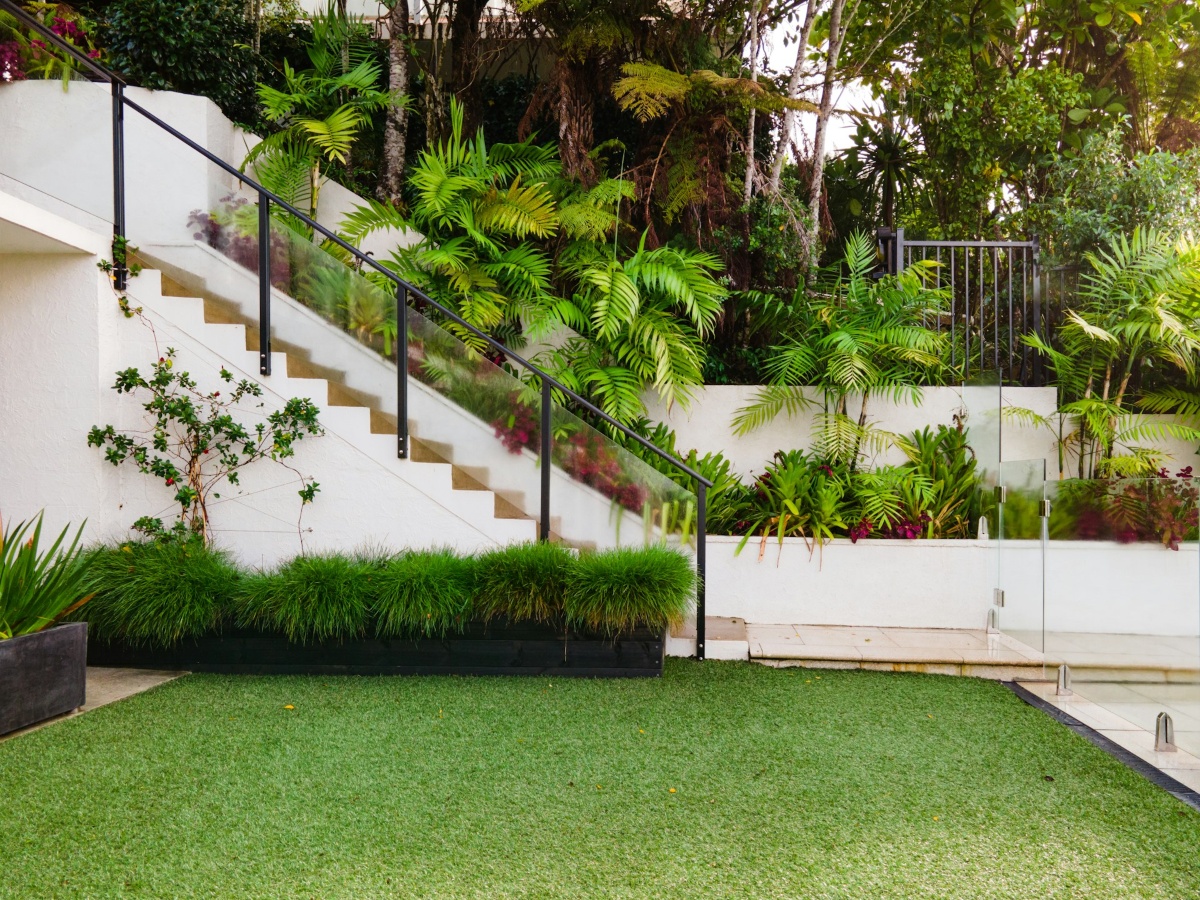
Adding Plants, Lighting, And Irrigation
Planting completes the visual structure, but plant selection depends on more than appearance. Sun exposure, soil moisture, mature size, seasonal interest, and available maintenance time all affect which plants belong in each area.
Native and drought-resistant plants can suit portions of the St. Louis region, while shade trees and shrubs can reduce heat around seating areas. Proper spacing prevents overcrowding and reduces future pruning needs. A well-planned planting layout also preserves sightlines near entrances, windows, and walkways.
Irrigation delivers water where plants need it, while outdoor lighting extends safe use into the evening. Low-voltage fixtures can define paths, illuminate steps, and highlight trees or walls. Install both systems before final planting and surface work closes access.
Maintaining The Finished Yard
A completed yard still needs a care plan. Gardening maintenance, seasonal tree and shrub cleanup, irrigation adjustments, pruning, turf care, and drainage checks protect the original investment.
Seasonal service matters in Missouri because heat, humidity, freezing temperatures, and heavy rain place different demands on plants and hardscape. Spring inspections can identify winter movement or drainage problems. Fall cleanup prepares beds and trees for colder weather.
A full-service firm can also handle smaller improvements after the primary project. Outdoor lighting adjustments, new plantings, planting-bed updates, and repairs keep the property useful as household needs change.

Conclusion
A yard transformation succeeds when design, grading, construction, planting, and maintenance follow one plan. Homeowners should begin with a site assessment that records drainage, soil, access, sunlight, and intended uses before selecting materials or plants. Requesting a complete scope also clarifies which team handles each phase and how future care will work. For a St. Louis property, that first planning meeting provides the practical next step toward a durable, functional outdoor space.
For more on the latest in architecture and properties, click here.