The Pursuit of Perfection: Why Formula 1 Still Defines Automotive Ambition
As Formula 1 enters a new engineering era, the world’s leading automotive marques are redefining the relationship between racing and road performance.
Formula 1 remains one of the toughest testing grounds in the automotive world, where engineering ideas, technological ambition and brand identity are pushed to their limits. As the sport enters a new regulatory era in 2026, manufacturers are once again reconsidering what performance means, how far technology can go and what lessons from the racetrack can eventually influence the cars people drive on the road.
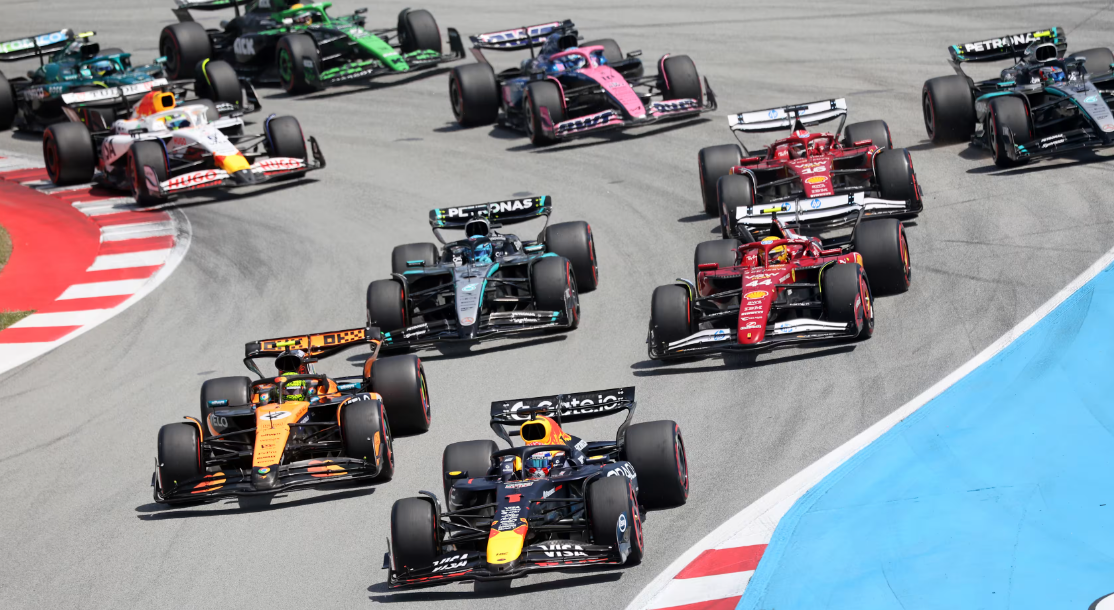
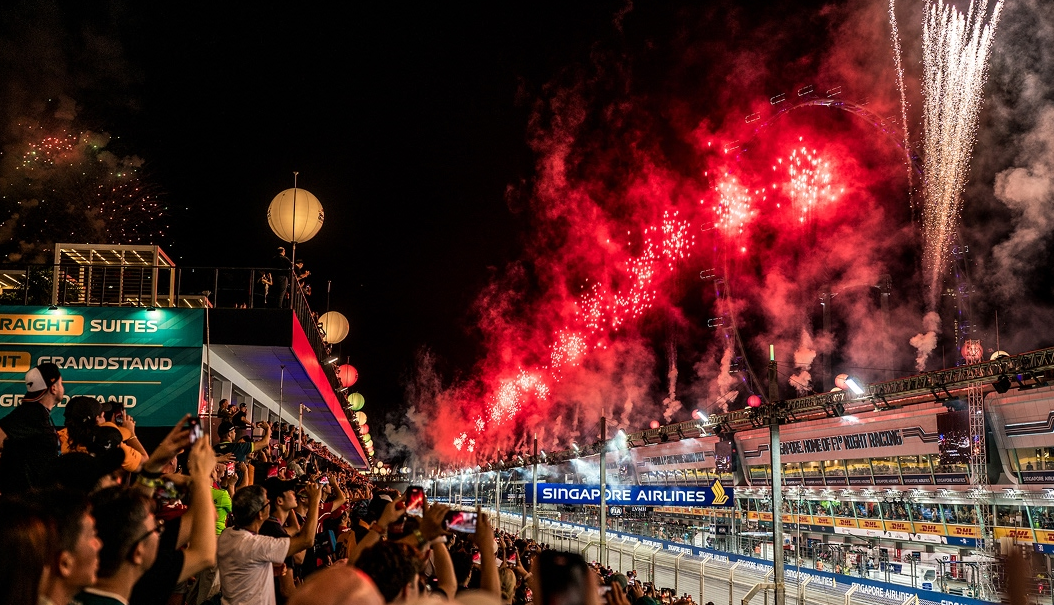
When Formula 1 arrives in Singapore this October, Marina Bay will once again become a theatre of speed, technology and precision. But the 2026 Singapore Grand Prix carries an added significance. Singapore is hosting an F1 Sprint weekend for the first time, with Sprint qualifying taking place on Friday, followed by the Sprint and then Grand Prix qualifying on Saturday, before the 62-lap race on Sunday. With only one practice session before the competitive action begins, teams will have less time to understand the car, find the right set-up and respond to one of the championship’s most demanding street circuits.
It is a fitting setting for a season defined by change. The 2026 regulations have introduced smaller and lighter cars, active aerodynamics, a much greater role for electric power and advanced sustainable fuel. The power unit retains its 1.6-litre V6 turbocharged engine, but the power balance has shifted significantly towards electricity. The MGU-K can now deliver up to 350kW, almost three times the previous maximum.
For the teams, that compressed preparation window makes every decision more consequential. Every lap, braking zone and unit of energy matters. A small gain in efficiency or a more precise set-up can make a meaningful difference when there is little time to correct mistakes. It is this constant search for improvement that makes Singapore a fitting illustration of Formula 1’s wider pursuit of performance.
For the manufacturers behind the teams, however, the challenge goes beyond winning races. Formula 1 remains one of the few places where an automotive company can put its engineering ambitions under such intense public scrutiny.
Racing as an Identity
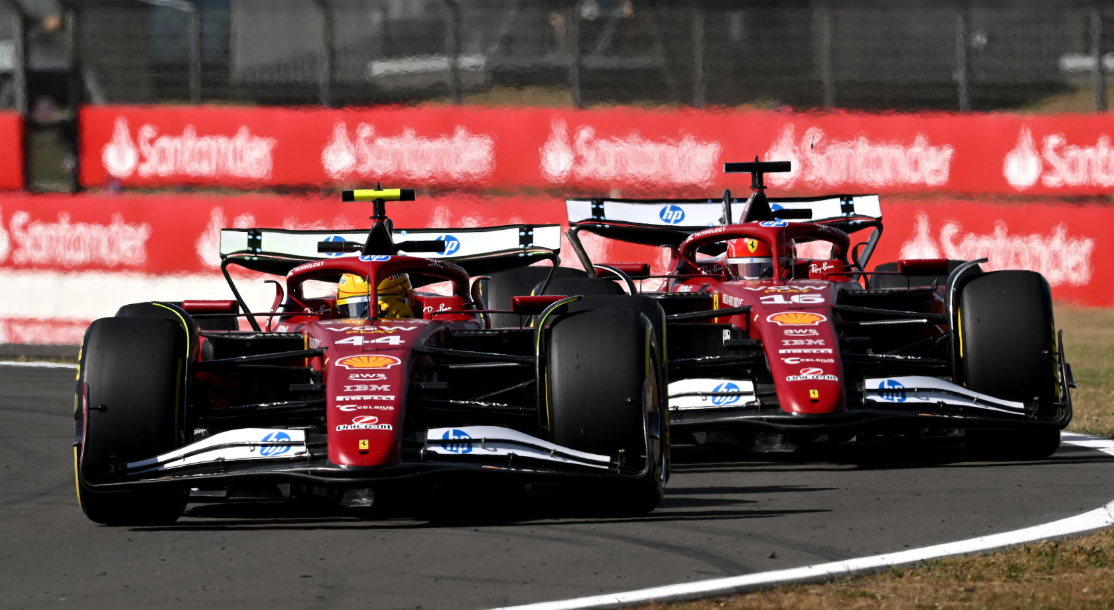
Few marques understand that relationship better than Ferrari. Its connection with competition predates the road cars that made its name. Scuderia Ferrari was established by Enzo Ferrari in 1929 as a racing organisation, while the company’s first road car, the 125 S, arrived in 1947. From the beginning, competition was more than a route to publicity. Racing success helped build the aura around the marque and established performance as one of the defining elements of Ferrari’s identity.
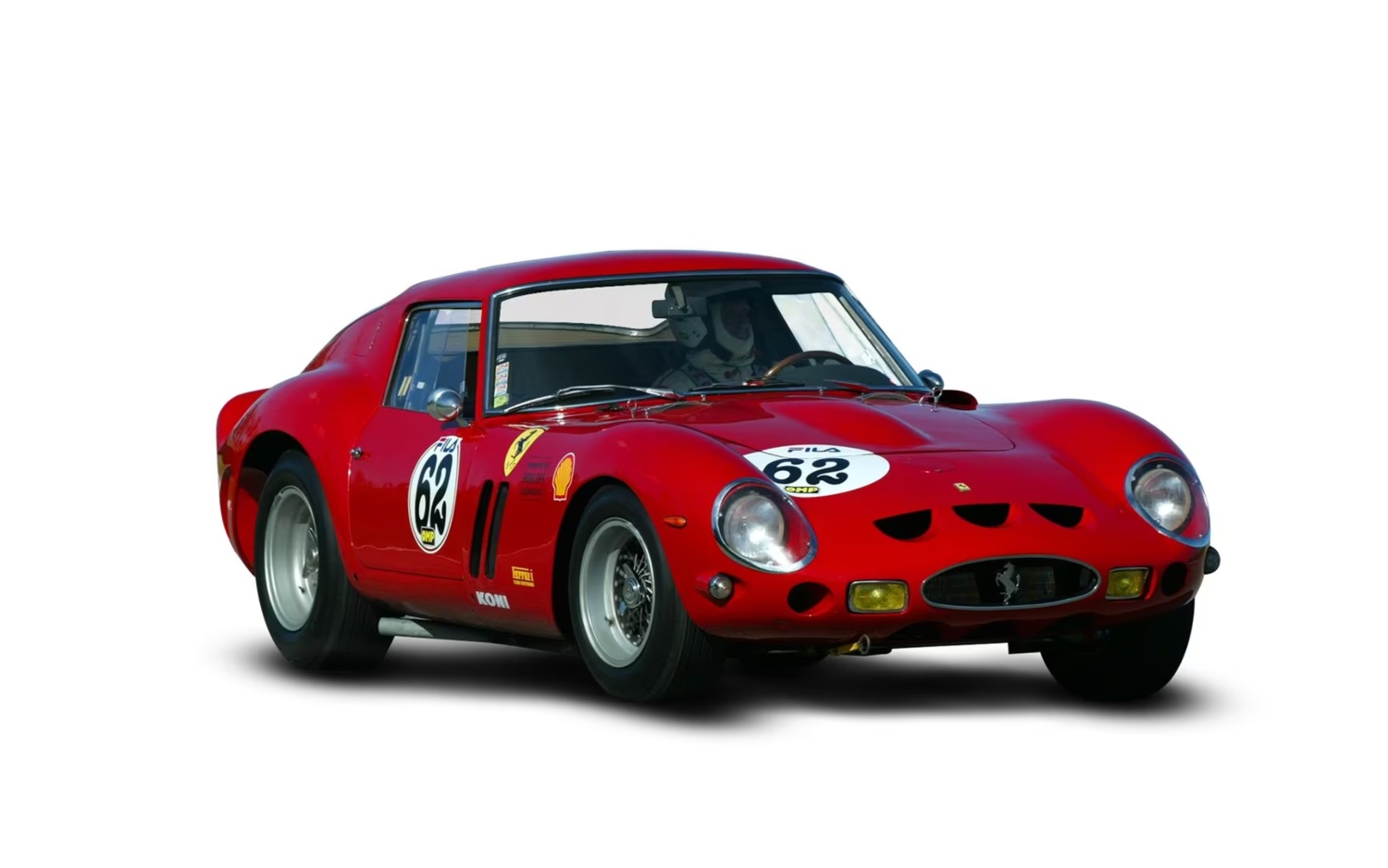
That philosophy can be seen in the cars themselves. The 250 GTO remains one of the clearest examples of Ferrari’s ability to combine the demands of competition with desirability on the road. Developed in the early 1960s around the demands of GT racing, it became one of the most desirable Ferraris ever built. Its importance today is not simply that it was fast. It represents the point where competition, engineering and exclusivity became part of the same Ferrari story. Decades later, the same pursuit of performance has taken very different forms.
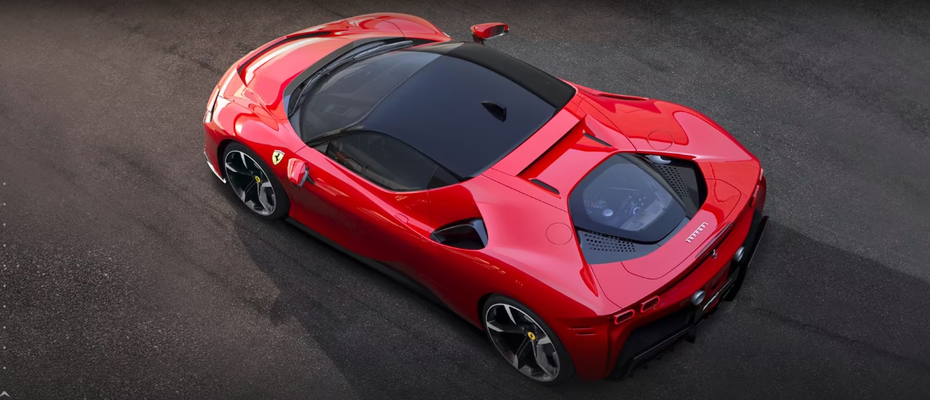
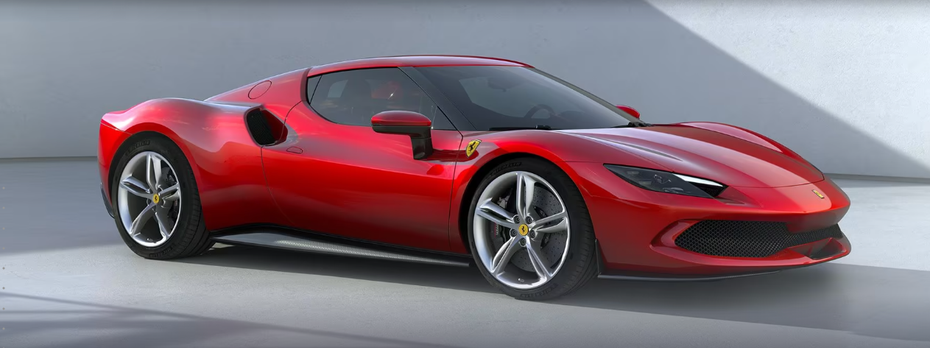
Left to right: Ferrari’s SF90 Stradale and 296 GTB. Images courtesy of Ferrari.
The SF90 Stradale brought Ferrari’s hybrid technology into a series-production performance car, while the 296 GTB paired a V6 engine with hybrid assistance. The Daytona SP3 took a different approach, drawing inspiration from Ferrari’s 1960s sports-prototype racers while combining that heritage with contemporary engineering.
These cars are not Formula 1 cars made legal for the road, but they reflect Ferrari’s racing philosophy. Competition has created a culture of constant improvement, pushing its engineers to make cars lighter, faster, more efficient and more responsive. At Ferrari, that pursuit of performance has become part of the brand itself.
Different Marques, Different Ambitions
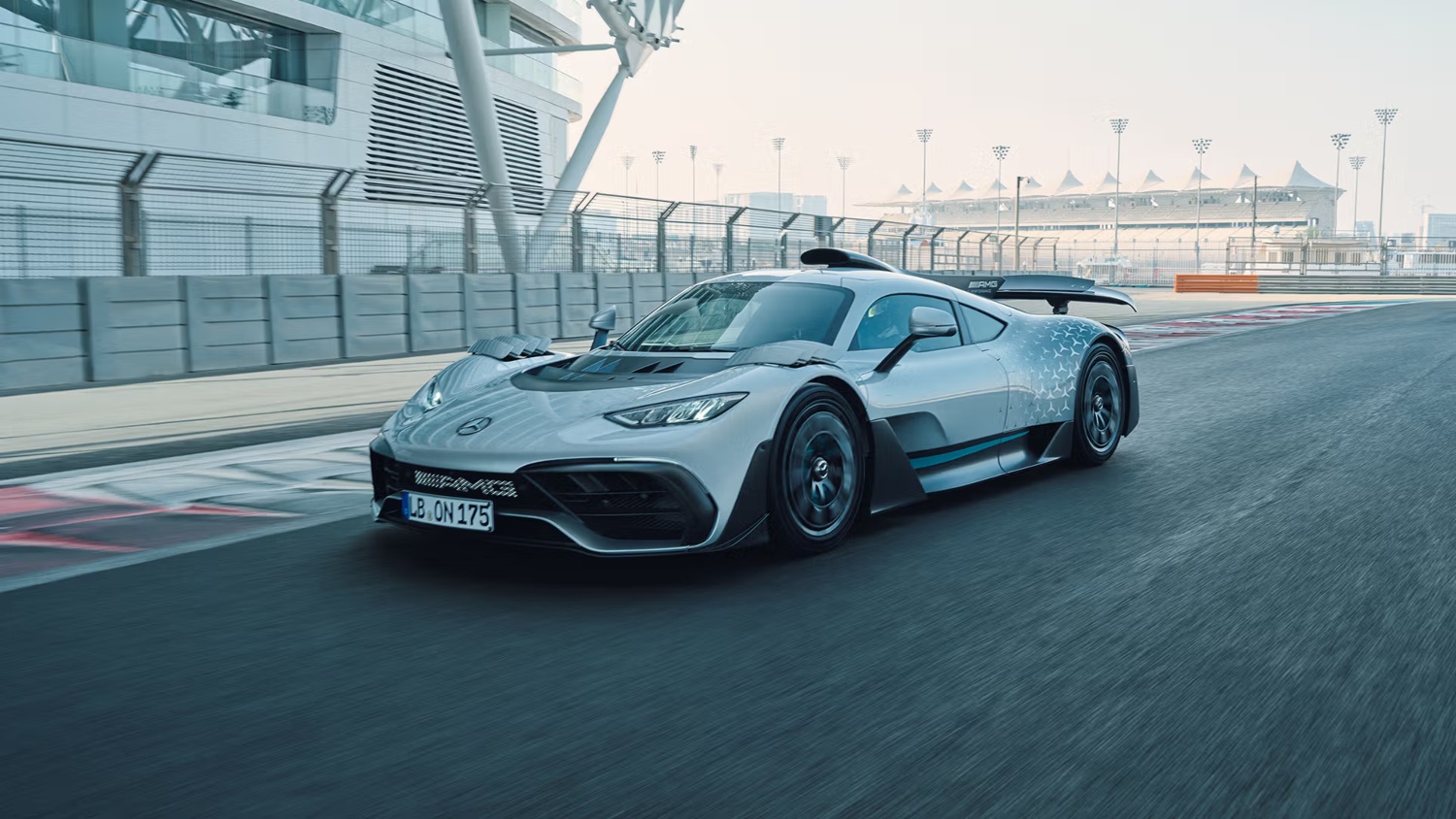
That mentality can influence the road-car business in different ways. Mercedes takes a more technology-led approach, using Formula 1 to demonstrate how hybrid power and efficiency can be translated into extreme road-car performance. The Mercedes-AMG ONE is the perfect example, bringing a Formula 1-derived 1.6-litre V6 hybrid powertrain, four electric motors and active aerodynamics into a road-legal hypercar.
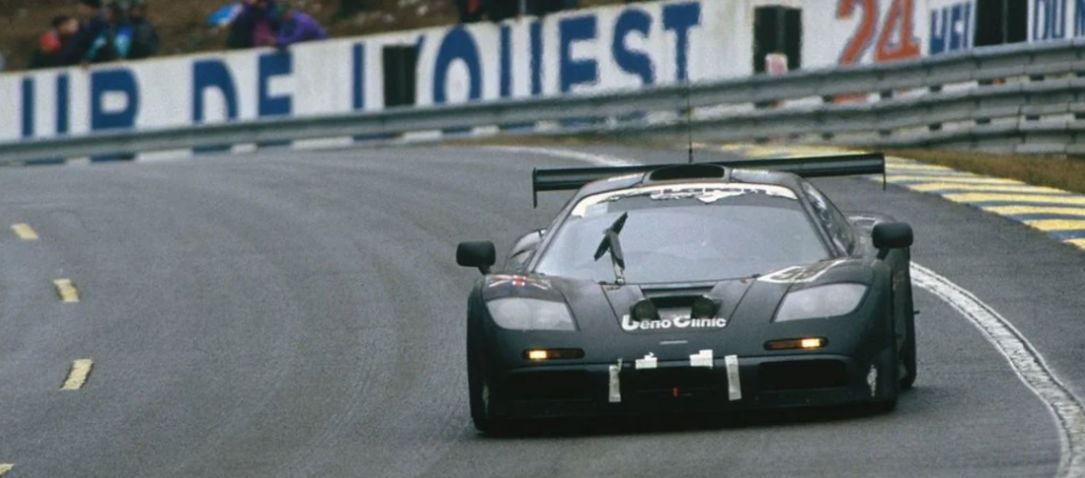
McLaren’s relationship with racing is even more closely tied to its identity. The McLaren F1 brought the company’s motorsport expertise into a road car through its lightweight carbon-fibre construction and focus on performance. Its racing version, the F1 GTR, then won Le Mans outright in 1995, reinforcing the connection between the road car and the track.
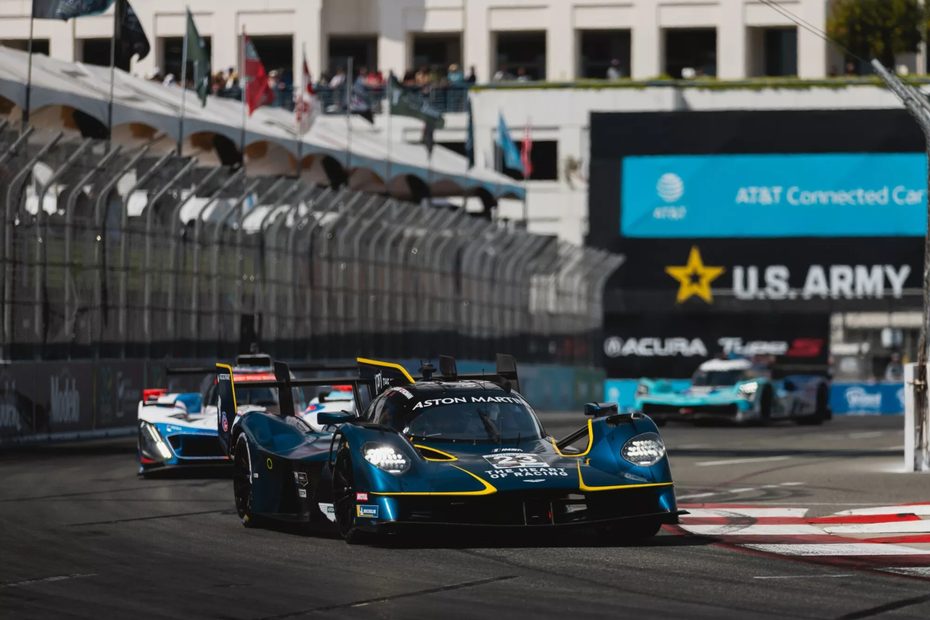
Aston Martin takes a different approach, using Formula 1 to strengthen its association with performance while expanding its global profile. The Valkyrie, developed with Red Bull Advanced Technologies, is an obvious example, combining extreme aerodynamics, lightweight engineering and hybrid power in a road car heavily influenced by Formula 1 thinking.
The three marques therefore use racing in different ways, but each turns its Formula 1 involvement into a different expression of performance on the road.
The New Rules of Performance
The 2026 regulations have changed the definition of performance in Formula 1. The new power units place far greater emphasis on electrical energy, while the removal of the MGU-H and introduction of advanced sustainable fuel put greater pressure on efficiency. Smaller, lighter cars and active front and rear aerodynamics add further challenges for teams and manufacturers.
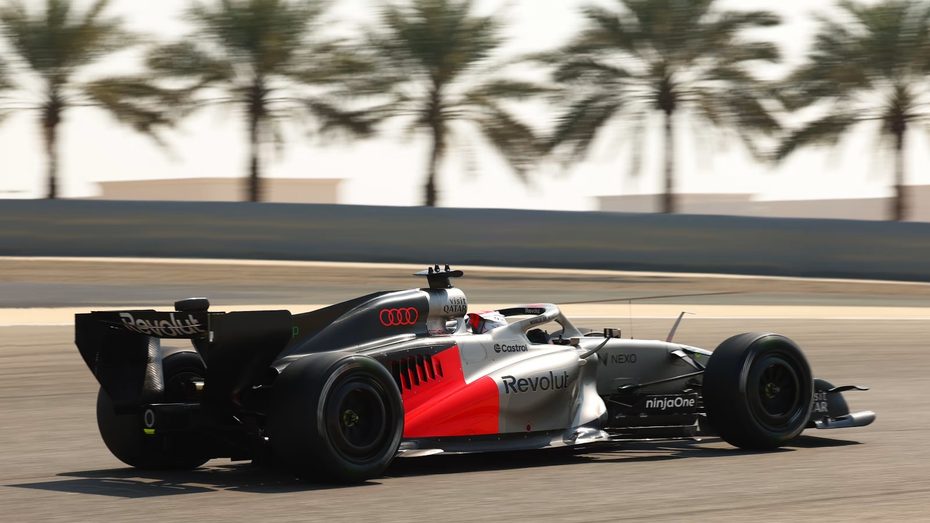
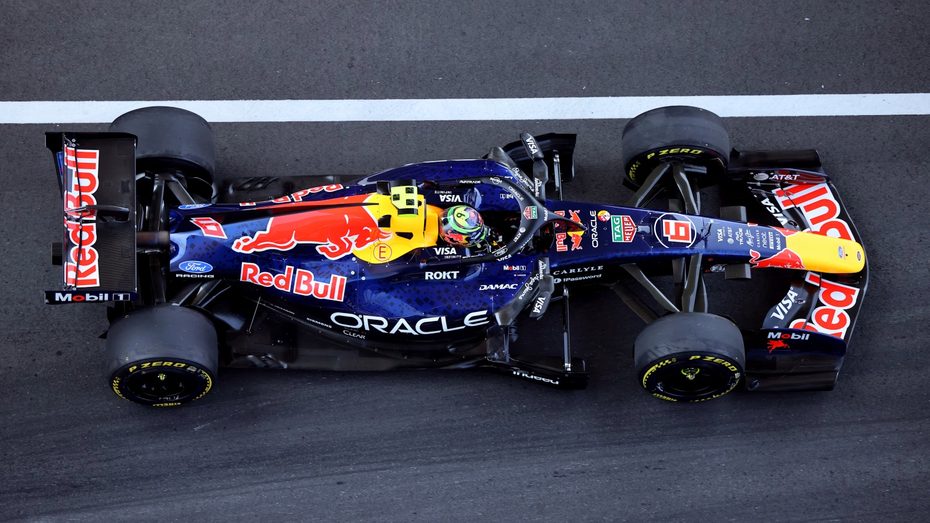
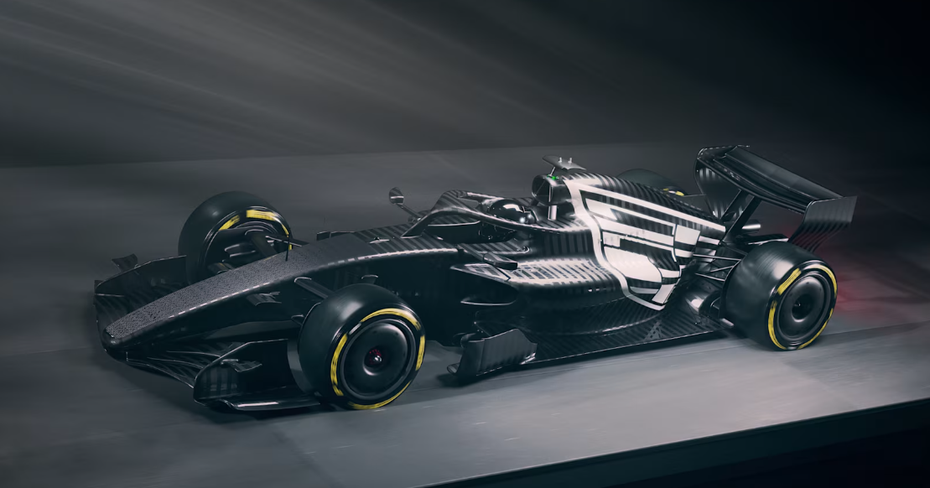
Top to bottom: Audi Revolut F1, Oracle Red Bull Racing and Cadillac Formula 1 cars. Image courtesy of Formula 1.
The new rules have also attracted a changing group of automotive names. Audi has entered as a works manufacturer with its own power unit, while Ford is involved through its partnership with Red Bull Powertrains. Honda has returned as Aston Martin’s works power-unit partner, bringing its own hybrid expertise back to the championship. Cadillac has also joined the grid, initially using Ferrari power before General Motors introduces its own power unit in 2029.
For these manufacturers, the appeal goes beyond racing. The 2026 rules place power, efficiency, energy recovery and sustainable fuel at the centre of competition, reflecting challenges that are increasingly important to the wider automotive industry. Formula 1 is therefore becoming a showcase for different ideas about how performance can evolve without losing its competitive edge.
The Pursuit Never Ends
That brings the story back to Singapore. Under the lights of Marina Bay, the difference between success and failure may come down to details spectators barely notice: how efficiently a team manages energy, how effectively it uses its aerodynamic systems or how well a driver deploys electrical power. Yet those details matter because racing has always pushed manufacturers to ask the same question: how far can we go?
Their customers may never drive at Marina Bay, Monza or Silverstone. They may never experience a racing car at its limits. But they understand what those places represent. Formula 1 gives manufacturers a stage on which engineering ambition, innovation and performance can be tested in public. Its influence on road cars is not always about transferring a specific piece of technology from the track to the showroom. It is also about the pursuit of better ideas, greater efficiency and higher performance.
The cars will change. The rules will change. The technology certainly will. But the pursuit of the next fraction of performance remains the same.
For more F1 and automobile reads, click here.