Timeless Textiles: How Vintage Wool Rugs Are Shaping Luxury Interior Design in 2027
Vintage wool rugs are redefining luxury interiors through heritage craftsmanship, natural materials and enduring character suited to contemporary homes.
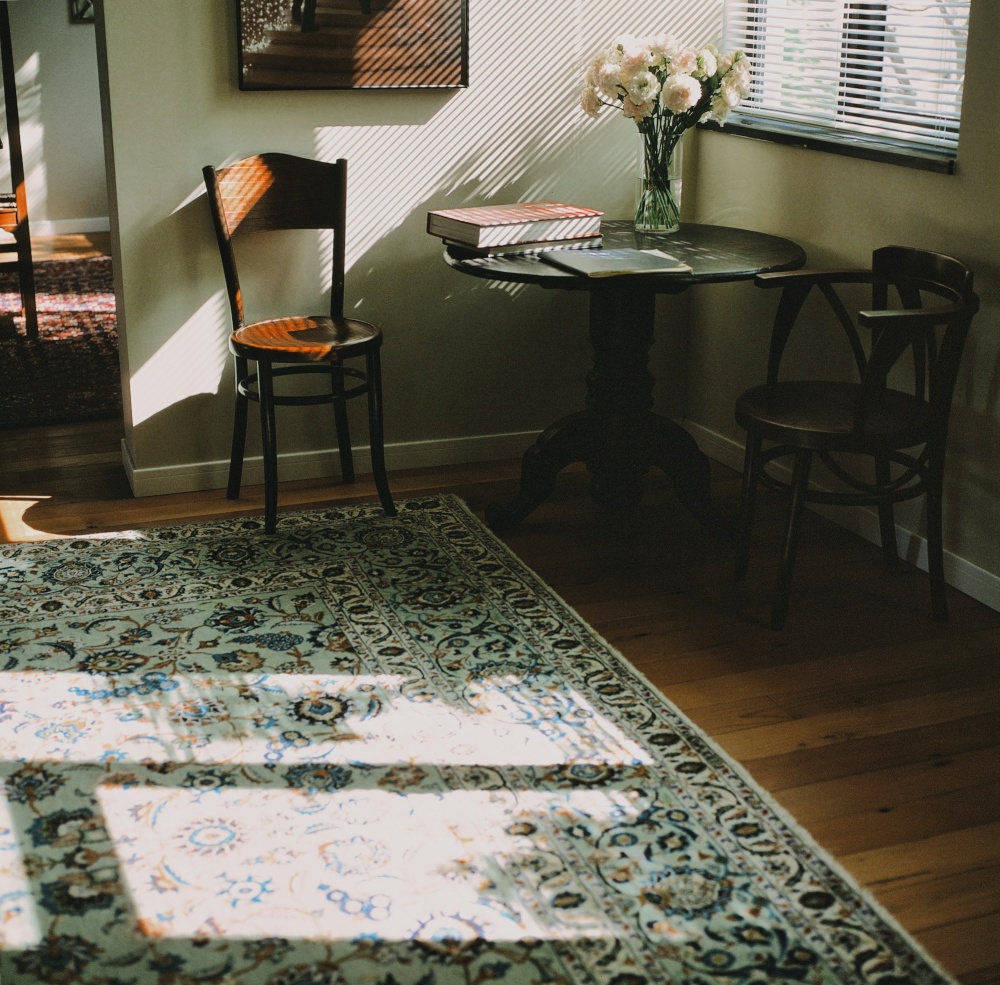
Walk into the most talked-about homes of the moment and you will notice something beneath your feet before you notice the art on the walls. The floor tells a story. It is softly faded in places, its border slightly irregular, its color shifting as the afternoon light moves across the room. It is not new, and that is precisely the point.
As we look toward luxury interior design in 2027, one of the clearest signals in the market is a return to objects with a past. Designers, collectors, and discerning homeowners are turning away from the flawless and the replaceable in favor of pieces that carry history, craftsmanship, and a quiet sense of permanence. Few objects capture that shift as completely as vintage wool rugs. Once considered the domain of traditional drawing rooms, they now anchor everything from loft conversions to stark modernist villas, and they are redefining what it means for a room to feel truly luxurious.
The Evolution of Luxury: Prioritising Character Over Uniformity
For much of the past two decades, the home décor industry borrowed its rhythm from fast fashion. New collections arrived every season, trends cycled through social feeds in a matter of months, and rugs became something to swap out rather than live with. Machine-made floor coverings promised the look of craftsmanship at a fraction of the cost, but they rarely aged well. Colors flattened, fibers matted, and within a few years many were rolled up and sent to a landfill.
The luxury market has grown weary of that cycle. Among the most meaningful interior design trends heading into 2027 is a deliberate move toward durable, heirloom-quality textiles: pieces bought once, lived with for decades, and eventually passed on. In this new definition of luxury, value lies less in perfection and more in presence. A room should feel collected over time, not delivered on a single afternoon.
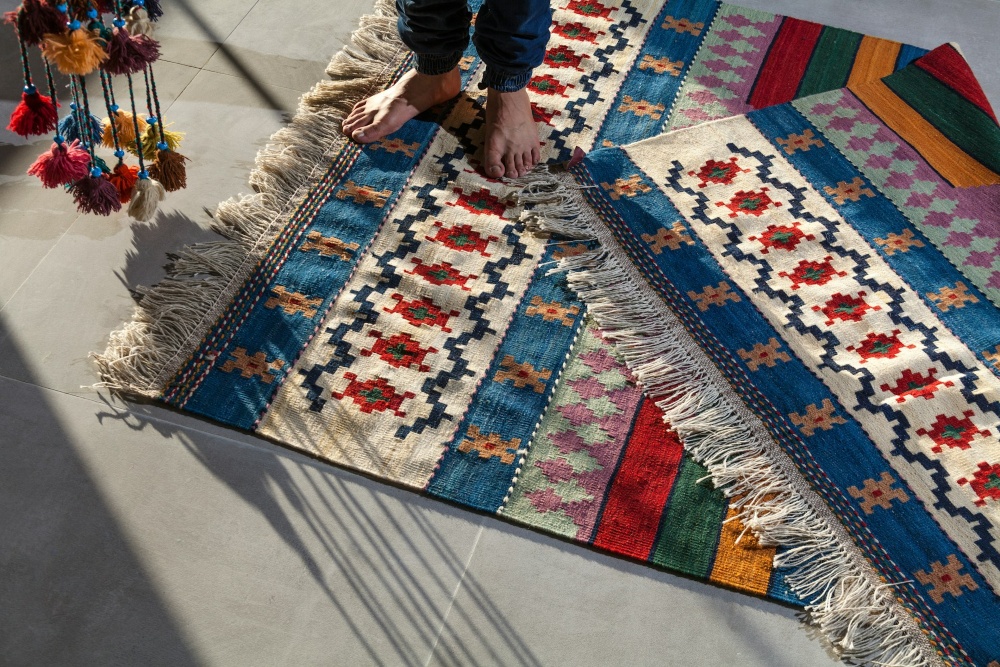
Vintage rugs answer that desire in a way few other objects can. Each one has already proven its durability by surviving thirty, fifty, or even eighty years of use. The gentle wear along a well-trodden path, the subtle color variation weavers call abrash, and the small asymmetries of a hand-drawn design are not flaws. They are evidence of a human hand and a lived history, and they give a room something no showroom can manufacture: soul.
There is also a growing appreciation for the slowness behind these pieces. An authentic hand-knotted rug may contain hundreds of thousands of individual knots, each tied by hand over many months. Knowing that a weaver in a village workshop spent a season shaping the piece under your dining table changes how you experience it. In an age of instant everything, that patience has become one of the rarest luxuries of all.
Why Natural Materials and Heritage Weaves Define the Modern Home
Run your hand across a well-made vintage wool rug and you understand its appeal immediately. Hand-spun wool has a depth and a slight lanolin softness that synthetic fibers simply cannot imitate. It holds natural dyes in rich, layered tones, and over the years those colors mellow into something warmer and more complex than they were on the loom. Underfoot, it feels substantial, cushioned, and alive.
A Grounding Element for Spare Architecture
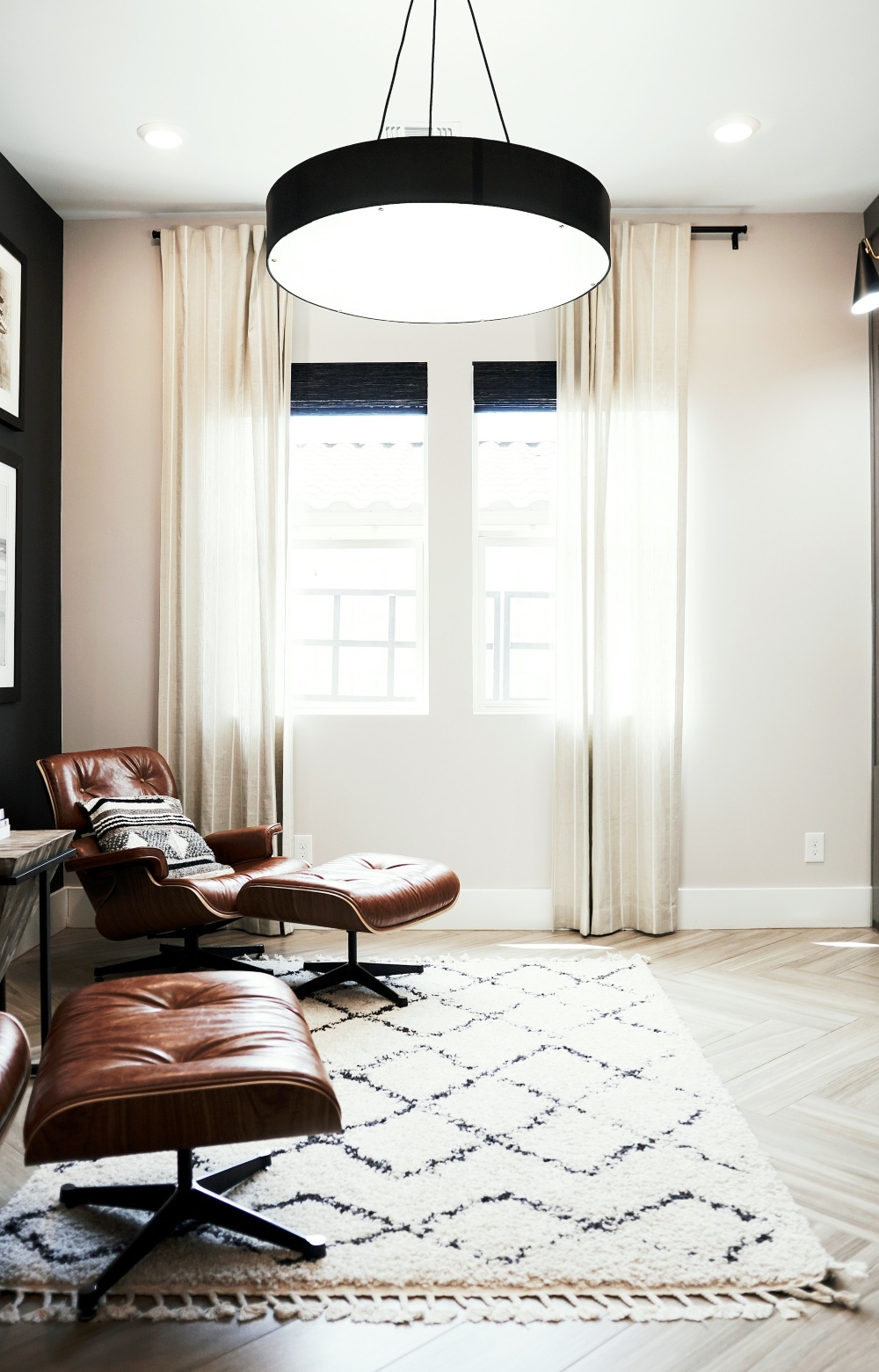
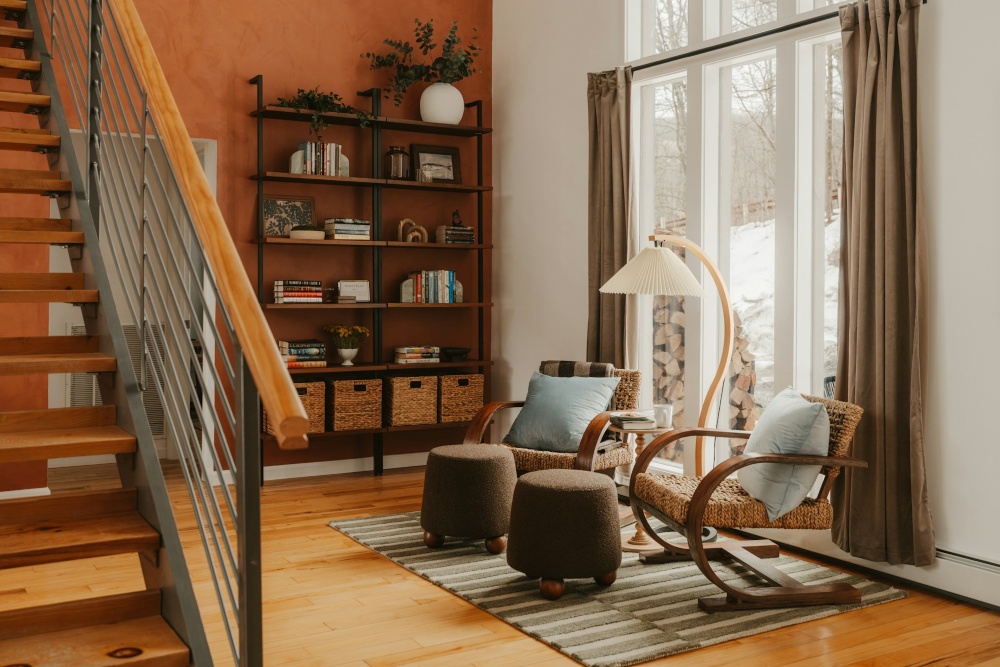
This tactile richness is exactly why vintage rugs have become so essential in minimalist and industrial interiors. Polished concrete, steel window frames, exposed brick, and expanses of white plaster are striking, but they can also feel cold and acoustically harsh. A single vintage rug introduces warmth, softens sound, and gives the eye a place to rest. In an open-plan loft, it can quietly define a living area without a single wall. In a pared-back modern home, it supplies the texture and history that clean lines alone cannot.
The contrast is the magic. A faded Anatolian runner along a sleek, handleless kitchen, or a muted Persian beneath a low-slung contemporary sofa, makes both elements more interesting. The architecture looks more intentional, and the rug looks more like a work of art.
The Quiet Case for Sustainability
The environmental argument is just as compelling. Sustainable décor is no longer a niche preference; it is an expectation among clients who want their homes to reflect their values. Choosing a pre-owned rug is one of the simplest ways to meet it. The piece already exists, so no new raw materials, dyes, or manufacturing energy are required to bring it into a home.
Wool itself is a renewable, biodegradable fibre, and it is naturally resilient, flame-resistant, and slow to soil. Many synthetic rugs, by contrast, are made from petroleum-based materials, are difficult to recycle, and tend to wear out far sooner. A vintage wool rug that has already lasted half a century can reasonably be expected to last for generations more with proper care, which makes it one of the most sustainable furnishings a designer can specify.
Blending Historical Patterns With Modern Palettes
For interior designers, the creative challenge is integrating a rug with a long history into a thoroughly current scheme. A few principles make the pairing feel effortless:
- Let the rug set the palette. Pull two or three secondary tones from the rug, such as a dusty rose, a faded indigo, or a soft ochre, and echo them in pillows, artwork, or a single upholstered piece.
- Favor faded and over-dyed pieces for tonal rooms. Sun-softened colors sit comfortably alongside the warm neutrals, earthy clays, and muted greens expected to define 2027 palettes.
- Let scale do the work. A bold medallion or large-scale geometric reads as contemporary when the surrounding furniture is simple and the room is uncluttered.
- Layer with intention. A smaller vintage piece placed over natural jute or sisal adds depth and makes a large space feel more personal.
- Mix eras confidently. A tribal rug beside mid-century furniture or a classical Oushak under a sculptural modern dining table creates the curated, collected look clients are asking for.
Sourcing Strategy: Identifying Quality in an Overcrowded Market
Popularity brings its own complications. As demand for vintage pieces has grown, so has the number of rugs marketed with words like “vintage-inspired,” “distressed,” or “antique look.” Many are newly made, machine-woven, and artificially aged with chemical washes. In photographs they can be convincing. In a room, and especially under bare feet, the difference becomes obvious within weeks.
A few simple checks help separate the genuine from the imitation:
- Turn it over. On an authentic hand-knotted rug, the pattern is clearly visible on the back, with small irregularities in the knots. A perfectly uniform grid or a glued canvas backing suggests machine or tufted construction.
- Look at the fringe. On a hand-knotted piece, the fringe is the natural end of the foundation threads that run through the rug, not a strip sewn on afterward.
- Read the color. Natural, gradual variation in tone is a sign of hand-dyed wool. Washed-out color that looks identical across the entire surface often points to chemical aging.
- Feel the pile. Quality wool feels springy and slightly oily to the touch, never brittle, plasticky, or dry.
Beyond the physical inspection, ask questions. Where was the rug woven, and roughly when? Has it been professionally washed or restored, and if so, how? Are there any repairs, moth damage, or areas of low pile worth knowing about before it is placed in a high-traffic room? A reputable seller will answer openly and in detail, because honest condition notes are part of what makes a vintage piece valuable. Vague answers, or prices that seem too good to be true, are usually the clearest warning signs of all.
Ultimately, though, the most reliable safeguard is the source itself. This is why so many designers and collectors avoid big-box retail altogether and turn to dedicated specialists. A curated dealer such as Rug Source has already done the demanding work of vetting origin, construction, and condition, so clients are choosing among pieces that genuinely meet a professional standard. Browsing a carefully edited selection of vintage wool rugs also offers something a warehouse store cannot: the chance to compare regional weaving traditions, sizes, and palettes side by side and find the one piece that truly belongs in a specific room.
For designers, a trusted specialist becomes an extension of the studio. It means fewer surprises at installation, accurate descriptions of size and condition, and a partner who understands that the right rug is often the single decision that brings an entire scheme together.
A Foundation Worth Keeping
The homes that will define 2027 are not the ones filled with the newest products. They are the ones that feel personal, layered, and built to last. Vintage wool rugs embody that philosophy: sustainable by nature, rich in texture, and steeped in history. Choose one thoughtfully, and it will outlast every trend that follows.
For designers, that longevity is a gift to the client as much as to the scheme. Sofas will be reupholstered, walls repainted, and lighting replaced as tastes evolve, but a well-chosen vintage rug can move from room to room and home to home, adapting to each new chapter. It becomes the constant around which everything else can change. In a market crowded with the temporary, investing in authentic hand-knotted rugs is one of the most meaningful ways to create interiors that feel both of their moment and genuinely timeless.
Images courtesy of Unsplash.
For more on luxury interior stories, click here.