Alexey Gubarev: From 20 Servers to a Global Business Empire
Alexey Gubarev turned 20 servers into a business empire. Now he’s backing health tech, Cyprus and an 80-car museum.
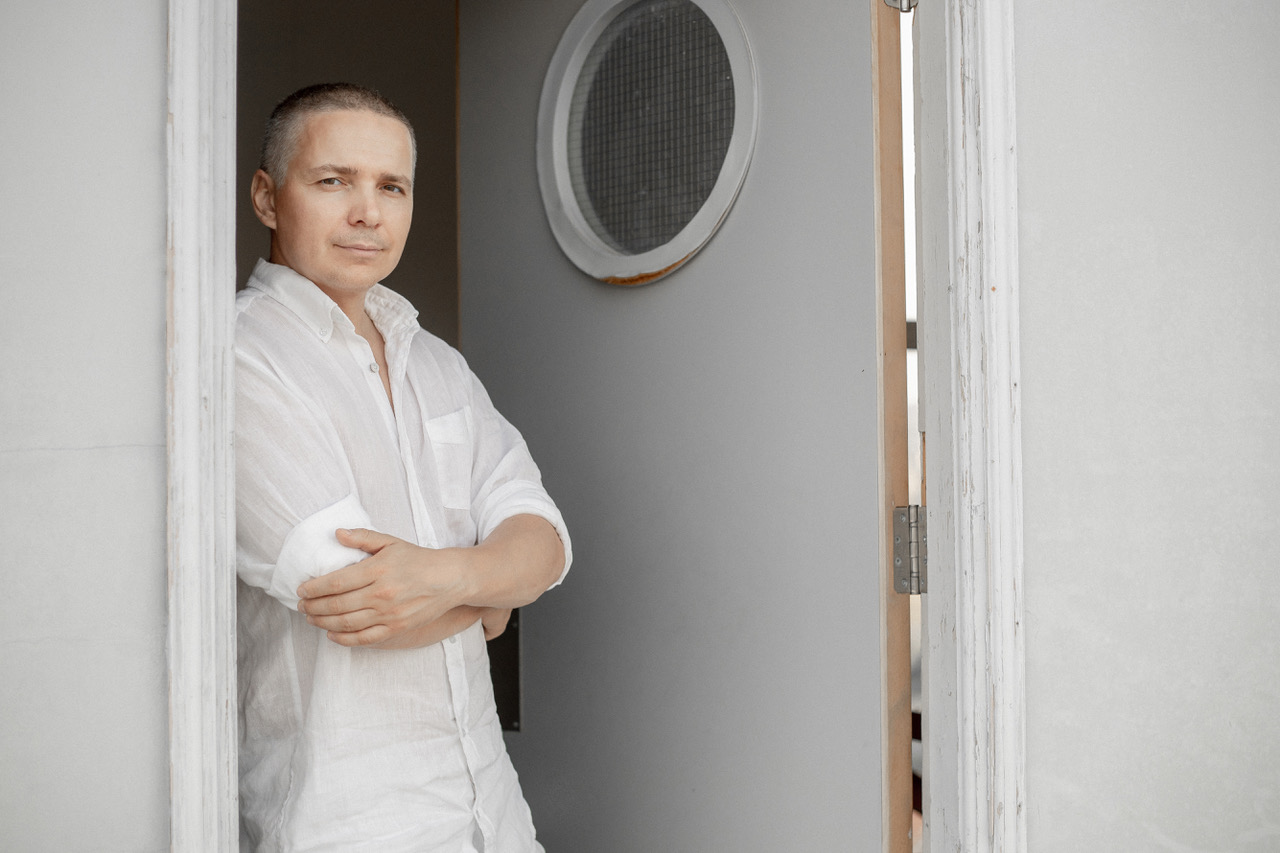
As a kid, Alexey Gubarev built his car obsession out of video games and bubble-gum wrappers — playing Need for Speed, collecting Turbo gum cards, and setting himself one specific goal: to own a Jaguar XJ220. He never lost the fixation. Decades later, after selling his first company, he started buying cars for real.
The same instinct — decide what you want, then build or buy it yourself rather than wait for someone else to hand it to you — runs through almost everything else Gubarev has done. He started his first business while still a university student studying mathematics and computer science, without finishing the degree; his father called it a waste of time. In 2002, he moved to Cyprus, and three years later he founded the company that became his first real exit: Servers.com.
Twenty Servers
Servers.com leases physical computer hardware — an industry known as bare-metal hosting — to businesses that need dedicated server capacity. Gubarev started it with 20 servers in the Netherlands.
Over the following 18 years, the company opened data centers in North America, Western Europe and Asia, and its staff grew past 420 people. In 2018 he stepped down as CEO and turned his attention to Palta. In 2023, during a slow year for global mergers and acquisitions, he sold Servers.com to CloudOne Digital for an estimated $200 million.
Building Health

Servers.com wasn’t the only thing Gubarev was building on the island. In 2016, while it was still running, he co-founded Palta with his partner Yuri Gurski. Like Servers.com, part of Palta is based in Cyprus — the studio employs roughly 150 people there, out of more than 750 worldwide. Palta builds health-technology companies internally, with its own team staying involved through each company’s fundraising, hiring and growth decisions. The company’s portfolio features Flo, a women’s health and period-tracking app; Prisma Labs, the creator of the Lensa AI photo-editing app; Simple, a health coach for weight management and nutrition; and Lovi, an AI cosmetologist backed by science. Flo Health raised $200 million in 2024, reaching a valuation above $1 billion, and in 2022 Lensa AI’s “Magic Avatars” feature ranked above Instagram and YouTube on the App Store’s charts. Across its apps, Palta now reaches more than 90 million users.
Shaping an ecosystem
Gubarev’s attachment to Cyprus wasn’t limited to the companies he built there. During the Covid-19 pandemic, he joined a group of entrepreneurs looking for ways to make the island more attractive to international tech companies. That effort led to TechIsland, a nonprofit Gubarev co-founded to represent Cyprus’s tech sector to the government. This collaboration led to concrete improvements in the business environment: professionals earning more than €55,000 a year now receive a 50% income tax exemption for 17 years, and their spouses gained the right to work in Cyprus.
Spending at Home
Gubarev has also spent on Cyprus directly, outside any of his companies. In 2023, he opened a 5,000-square-meter, Olympic-standard skate park in Limassol, one of the ten largest in Europe. During the 2021 wildfires and the pandemic, he and his wife, Anna, helped raise relief funds. He backed her environmental initiative, City Friends Club, from its founding, and it has since grown into one of Cyprus’s leading projects. With two other philanthropists, he also funded a 3,000-square-meter public park overlooking the sea in Parekklisia.
The Profit Question
The same discipline shows up in how Gubarev picks what to back. He says a company should always be able to name the point at which it will turn a profit, and he won’t fund one that can’t — he has watched businesses spend on acquiring users at a loss and call it a growth strategy. When he evaluates a deal, he weighs three things: how strong and efficient the team is, how large the market actually is, and timing. An idea introduced too early, he says, can fail as completely as one introduced too late.
The One Exception
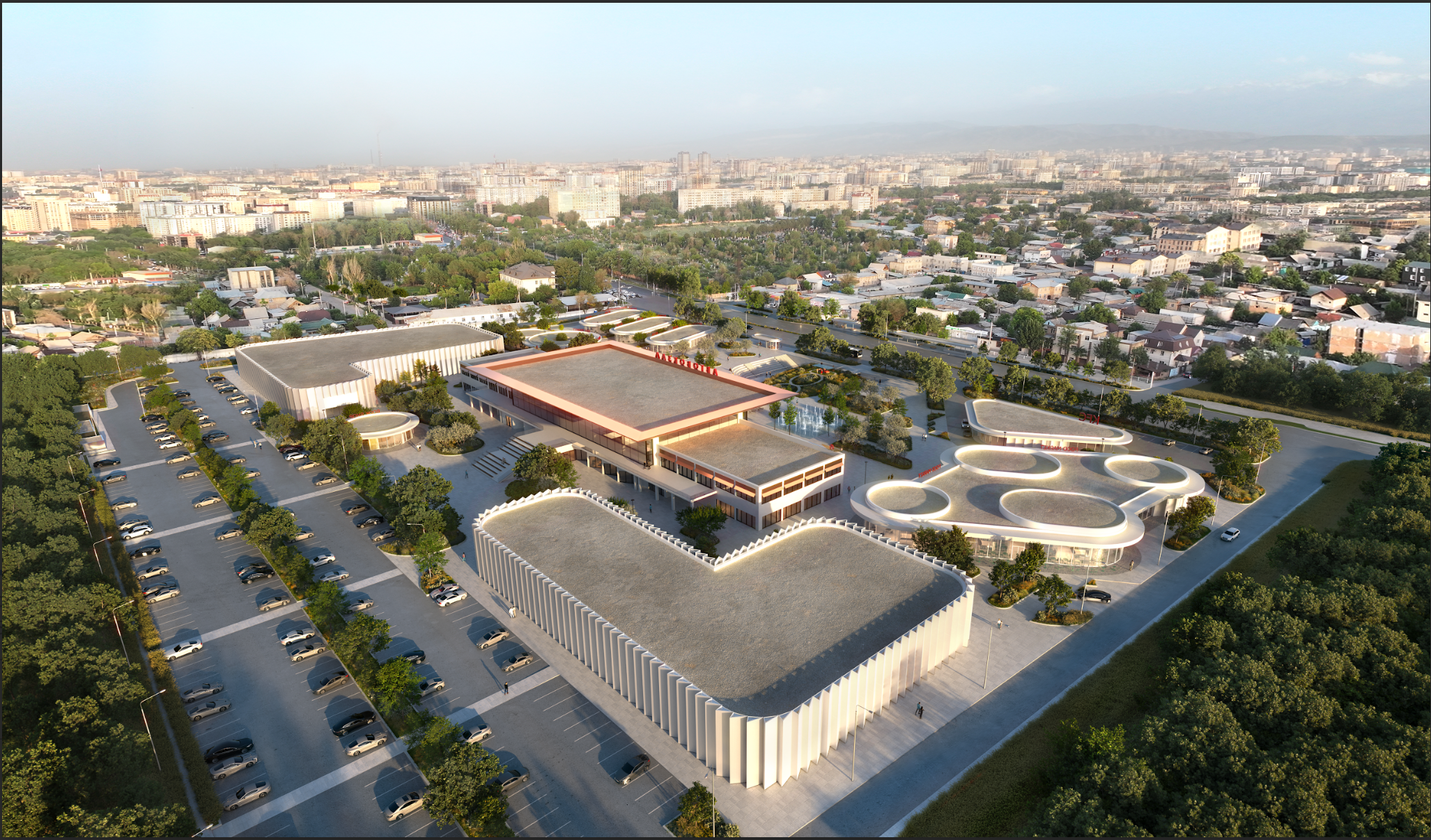
That rule doesn’t apply to cars. After selling Servers.com, Gubarev started buying them — a few at first, then, during the pandemic, many more, until the collection reached roughly 200 vehicles and no longer fit in a garage. That’s what led to the museum: he is converting a Soviet-era bus terminal in Bishkek, Kyrgyzstan, into an exhibition space, working with IND architects to preserve the building’s modernist structure while adding room to trace the automobile across American, British, French and Soviet design traditions. It’s set to open in 2027 — his first permanent project outside Cyprus. Between that, Palta’s portfolio and TechIsland’s work, Gubarev says he now has more ideas than capital to fund them.
For more on the latest in tech interviews alongside lifestyle and gadgets, click here.