Luxury’s Next Product Is an Entire World
From fashion and hospitality to branded residences, luxury houses are building immersive worlds designed to extend consumer relationships beyond ownership.
Luxury’s next frontier extends beyond what consumers can purchase to the environments they can inhabit. From fashion-branded cafés and hotels to residences designed around established luxury marques, brands are expanding their influence across dining, travel, leisure and everyday living. What begins as a product increasingly becomes an invitation into a much larger world.
The commercial ambition reflects a shift in how affluent consumers allocate their time and discretionary spending. As experiences compete more directly with material possessions, luxury houses are developing destinations that offer opportunities for engagement beyond occasional purchases.
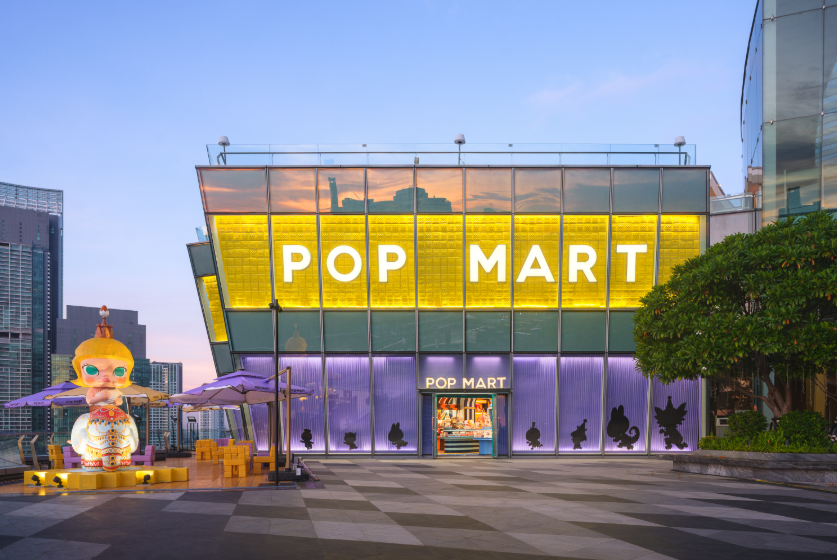
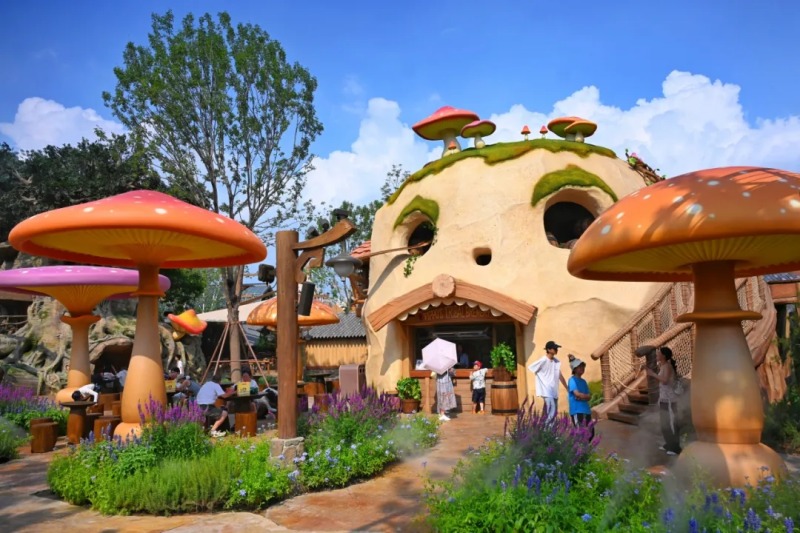
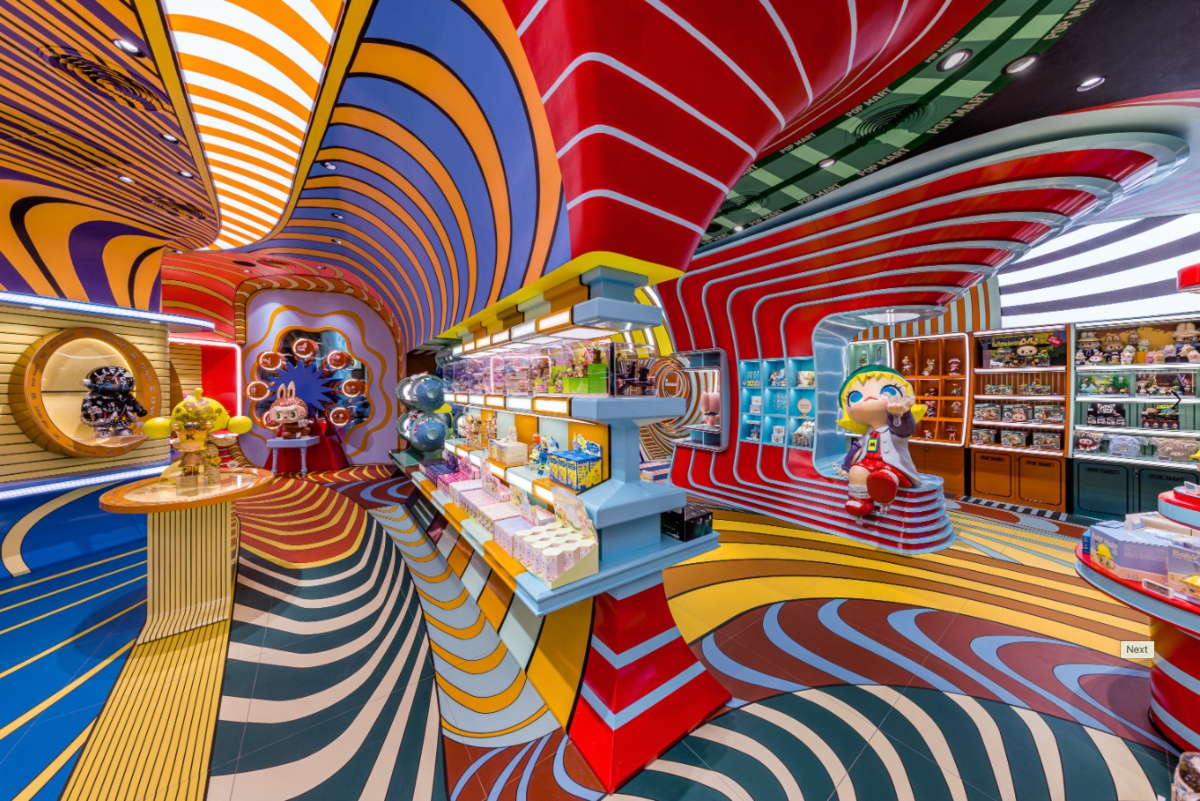
Left to right: Pop Mart Bangkok ICON Siam Store and Pop Land – Labubu Forest in Beijing. Images courtesy of X+Living Architecture and Interior Design and The People’s Government of Beijing Municipality.
An unlikely example comes from Chinese entertainment company Pop Mart. Best known for collectible characters including Labubu, the company has expanded into physical entertainment experiences. In April 2026, its Pop Land theme park in Beijing reopened a renovated Labubu Forest zone, part of a wider expansion that translates the appeal of its characters into attractions, dining and leisure.
Although Pop Mart operates outside traditional luxury, its strategy illustrates a wider opportunity. A product may establish the initial connection with consumers, but the surrounding ecosystem creates additional reasons for them to return.
The Competition for Affluent Spending
The commercial reasons behind this expansion are becoming clearer. McKinsey’s 2026 survey of more than 2,000 luxury consumers in the United States and China found that travel ranked ahead of every luxury product category when respondents considered how they would spend additional discretionary income.
Meanwhile, Deloitte’s Global Powers of Luxury 2026 survey of 420 senior executives across 10 countries found that 36.2 per cent identified luxury travel and hospitality as the category with the strongest growth potential. Customer experience and loyalty were also identified as leading growth opportunities.
Together, the findings suggest a broader evolution in luxury consumption. A handbag or watch now competes for discretionary spending with private retreats, fine dining and experiences that offer personal significance. For luxury houses, expanding into these categories presents opportunities to participate in more of their customers’ spending decisions.
The opportunity extends beyond revenue. By creating experiences that encourage recurring visits, brands can cultivate relationships that develop over time rather than depend solely on individual transactions.
The Boutique Becomes a Destination
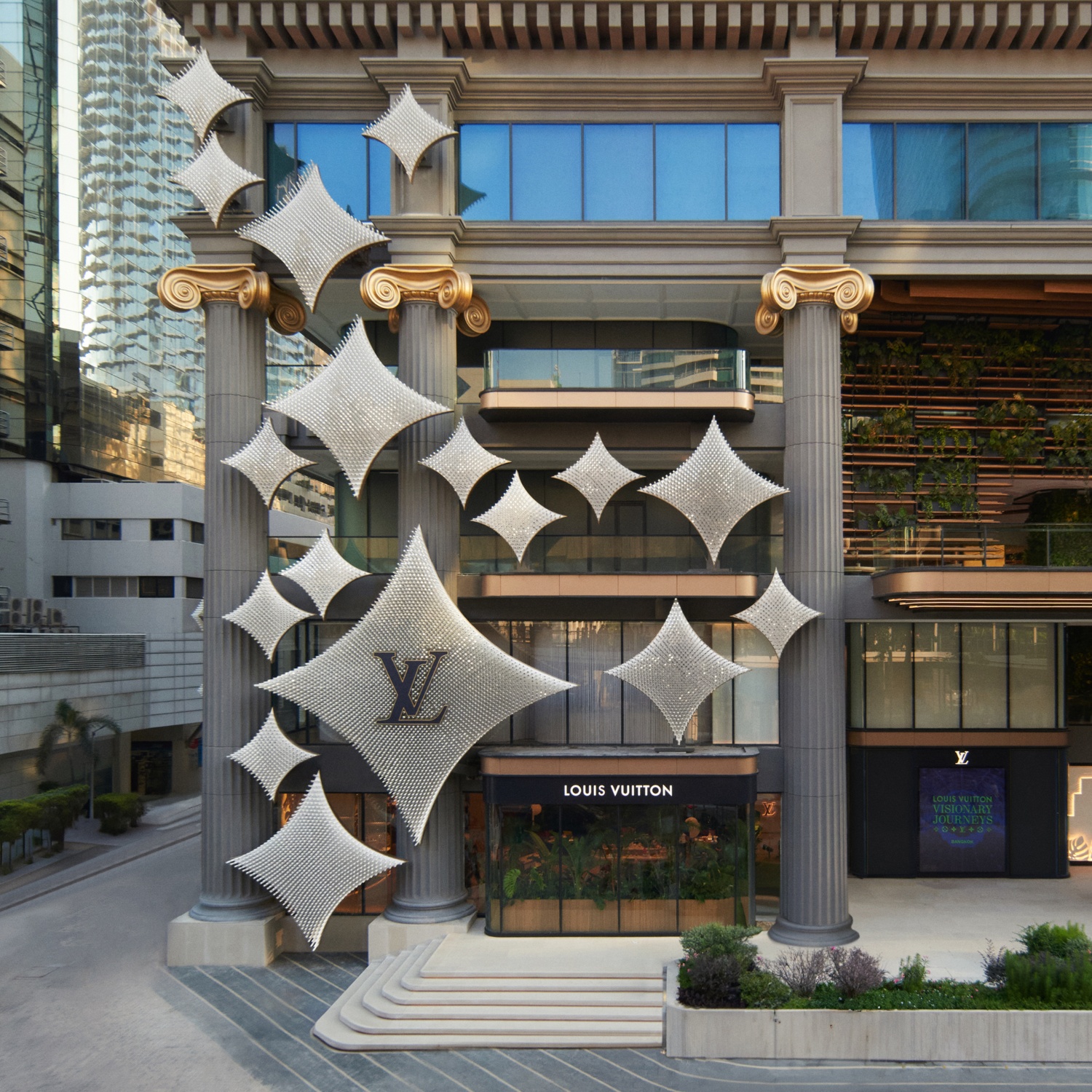
Louis Vuitton’s LV The Place Bangkok demonstrates how traditional retail environments can evolve into destinations. Located at Gaysorn Amarin, the space combines a Louis Vuitton boutique with the Visionary Journeys exhibition and Le Café Louis Vuitton. In October 2026, the house refreshed its exhibition and dining offerings, extending its longstanding Art of Travel into contemporary art and gastronomy.
Visitors can engage with the maison’s heritage, encounter creative installations or enjoy its hospitality without purchasing a handbag or accessory. The experience introduces different points of entry into the brand, making retail one part of a wider cultural environment.
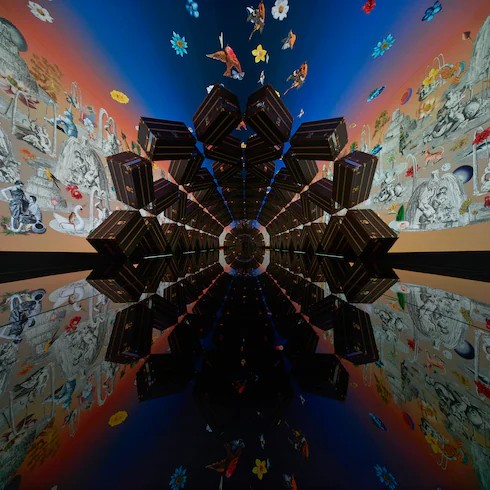
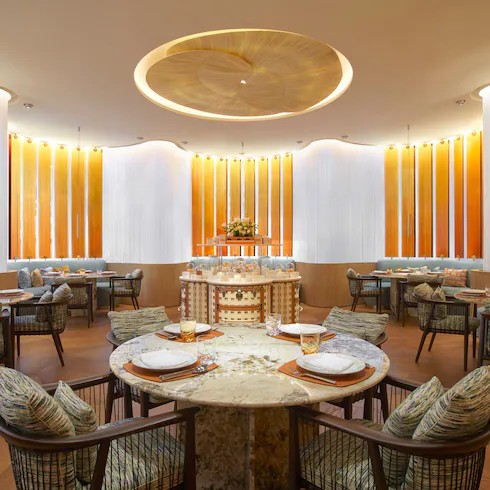
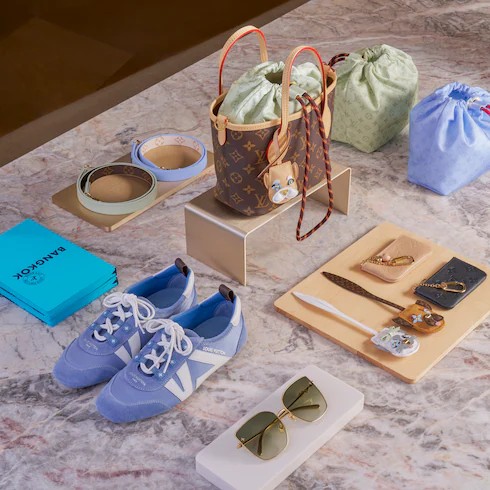
Louis Vuitton’s LV The Place Bangkok features the Exhibition, the Cafe and the Store all in one destination. Images courtesy of Louis Vuitton.
Where conventional boutiques centre on transactions, immersive destinations create opportunities for discovery, entertainment and emotional connection. A visitor drawn by an exhibition may subsequently explore the collection, while an existing customer may return for dining or cultural programming.
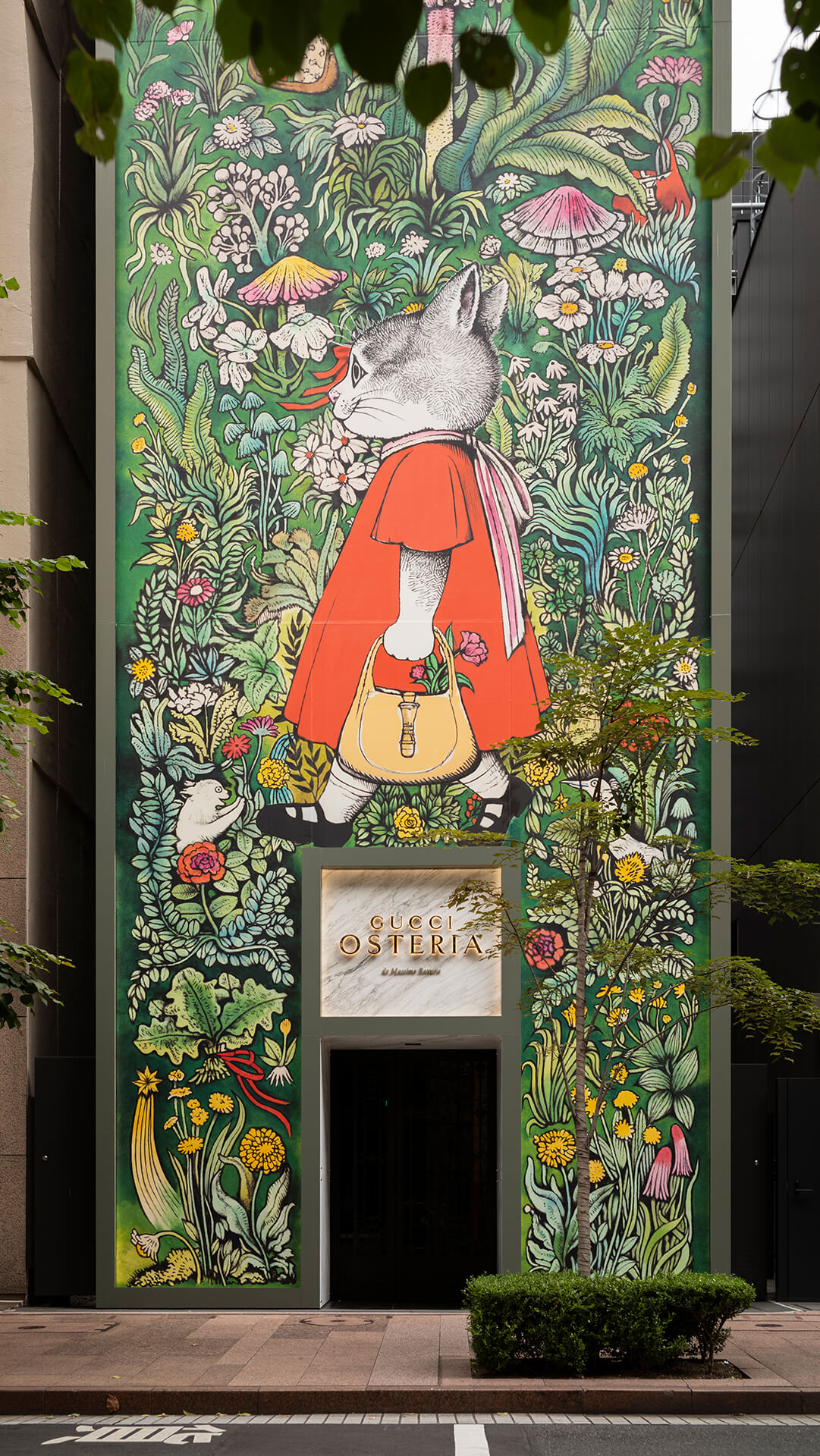
Gucci has similarly extended its identity into gastronomy through Gucci Osteria, bringing the fashion house’s creative language into dining experiences in cities including Tokyo and Seoul. For luxury houses, such destinations expand the relationship between consumers and the brand. The commercial value of a flagship increasingly depends on how effectively it encourages engagement beyond the initial visit.
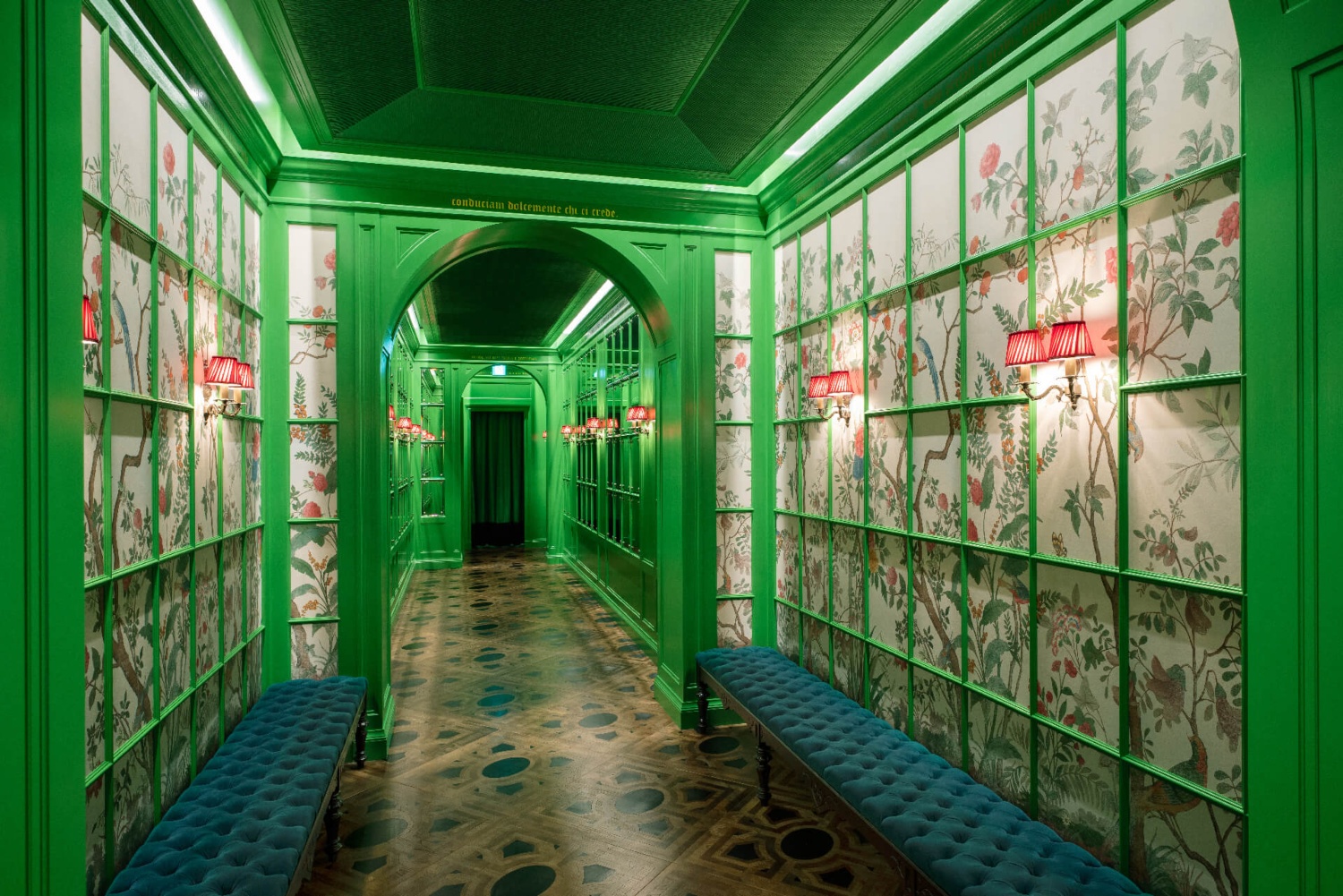
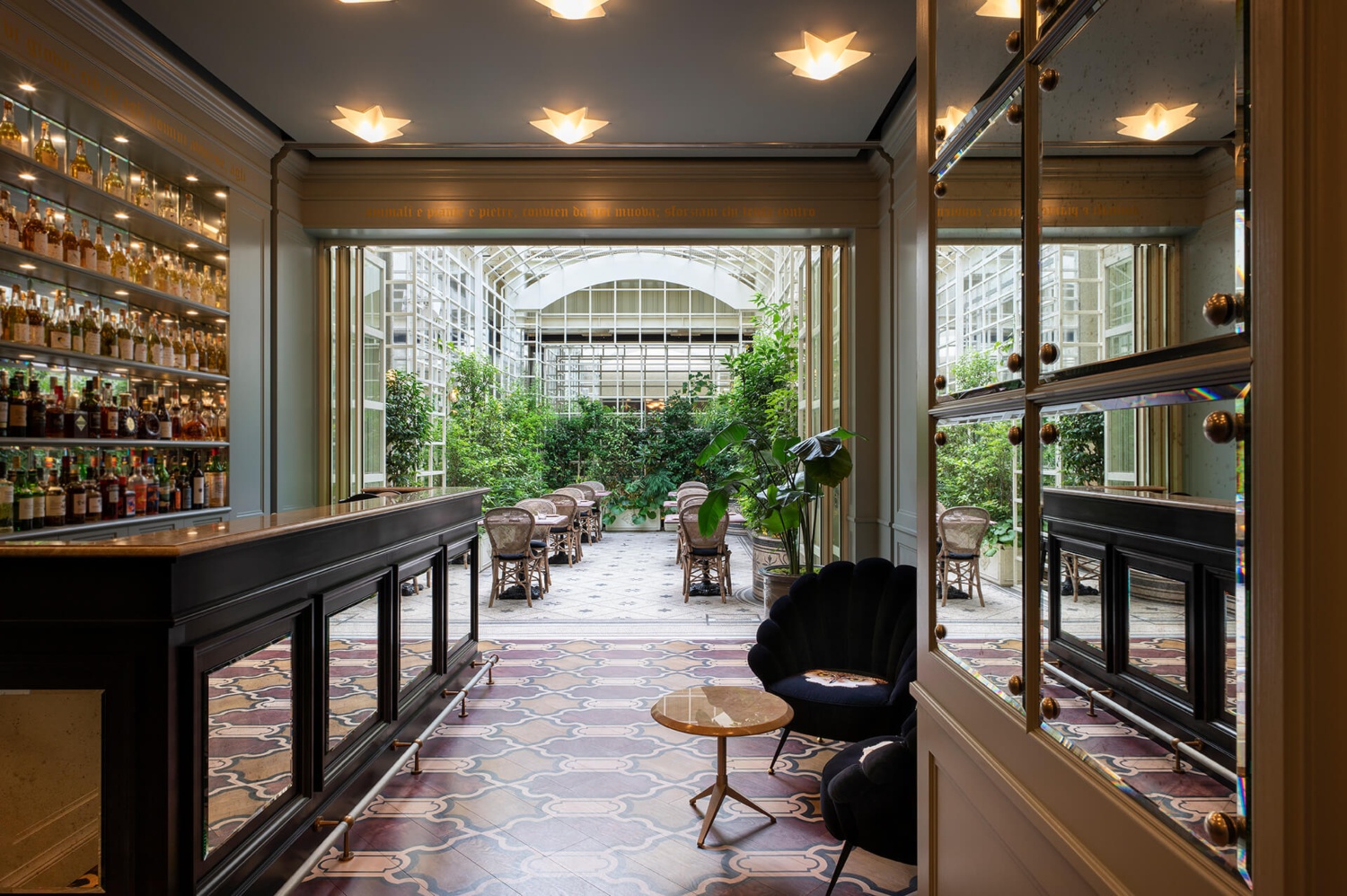
Interior spaces of Gucci Osteria da Massimo Bottura Tokyo located in Ginza. Images courtesy of Gucci.
The Appeal of Branded Hospitality
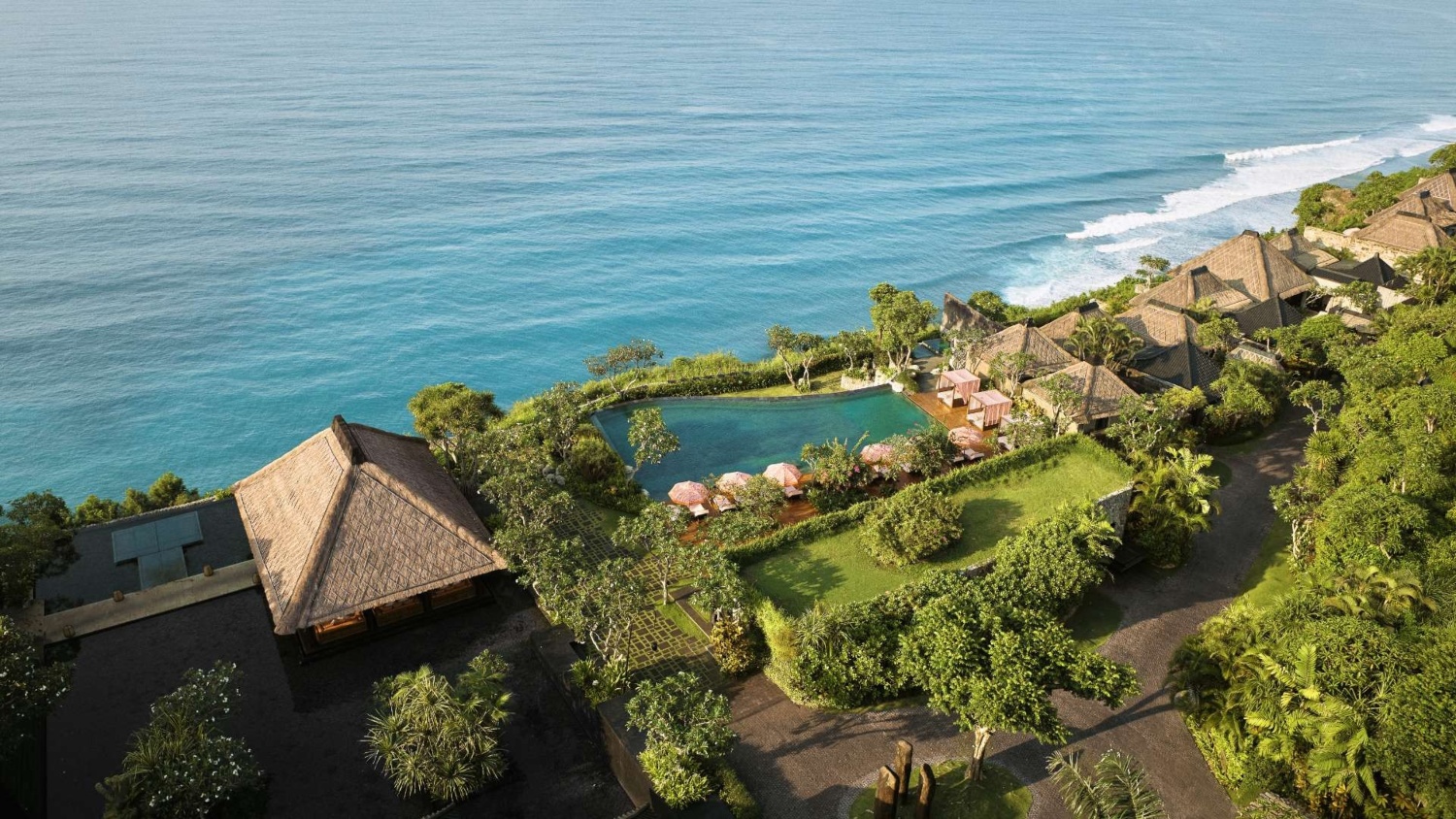
Hospitality takes this strategy further by allowing customers to inhabit a brand’s identity over several days rather than a few hours. Bvlgari Hotels & Resorts has translated the Roman jeweller’s design heritage into a growing international hospitality portfolio. Properties in Bali and Tokyo illustrate how the house’s aesthetic extends into architecture, interiors, dining and personalised services, creating experiences associated with its craftsmanship and attention to detail.
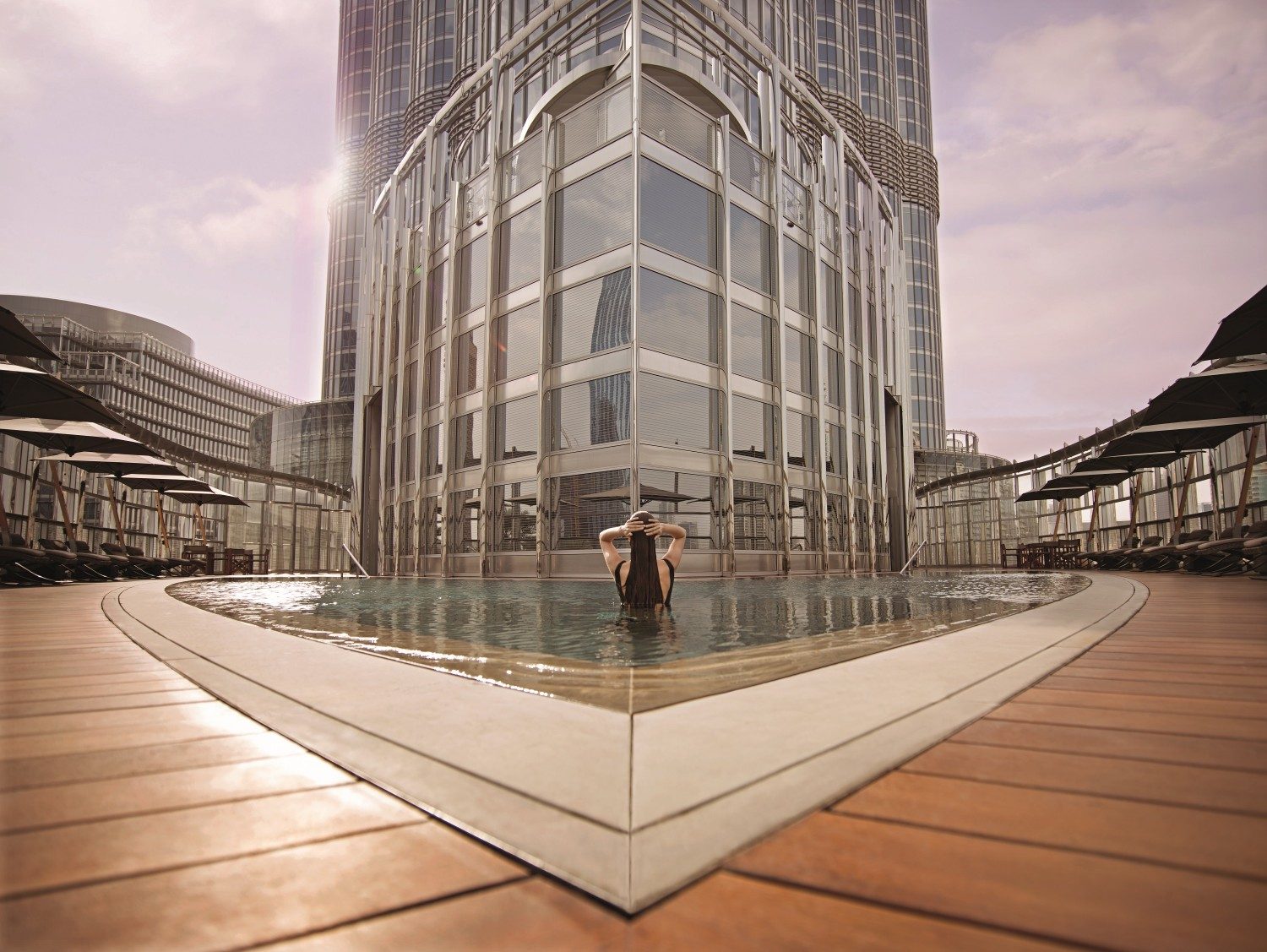
Armani has pursued a comparable direction through hotels in Milan and Dubai, applying the fashion house’s understated design philosophy to accommodation and hospitality.
The strategic difference is significant. Wearing a luxury product allows customers to carry part of a brand’s identity, while staying at its hotel invites them to inhabit that identity. Restaurants, wellness facilities and personalised services create additional opportunities for engagement throughout the stay.
Yet hospitality also introduces operational expectations beyond those of conventional retail. Design alone cannot guarantee a memorable experience. Service quality, consistency and specialist expertise become essential to protecting the reputation attached to the brand.
When Luxury Becomes an Address
The most ambitious extension of this strategy is branded residential property, where a luxury identity becomes part of everyday living. Knight Frank’s 2026 research examined nearly 1,800 existing and planned branded residential schemes across 90 countries. The number of developments increased from 354 in 2015 to 903 at the end of 2025, with projections indicating that the market would surpass 1,000 schemes during 2026.
Hotel operators continue to dominate the sector, but non-hotel brands are gaining ground. Knight Frank expects their share of branded residential supply to increase from approximately 30 per cent in 2025 to almost 40 per cent by 2028, reflecting growing participation from fashion, automotive and lifestyle companies.
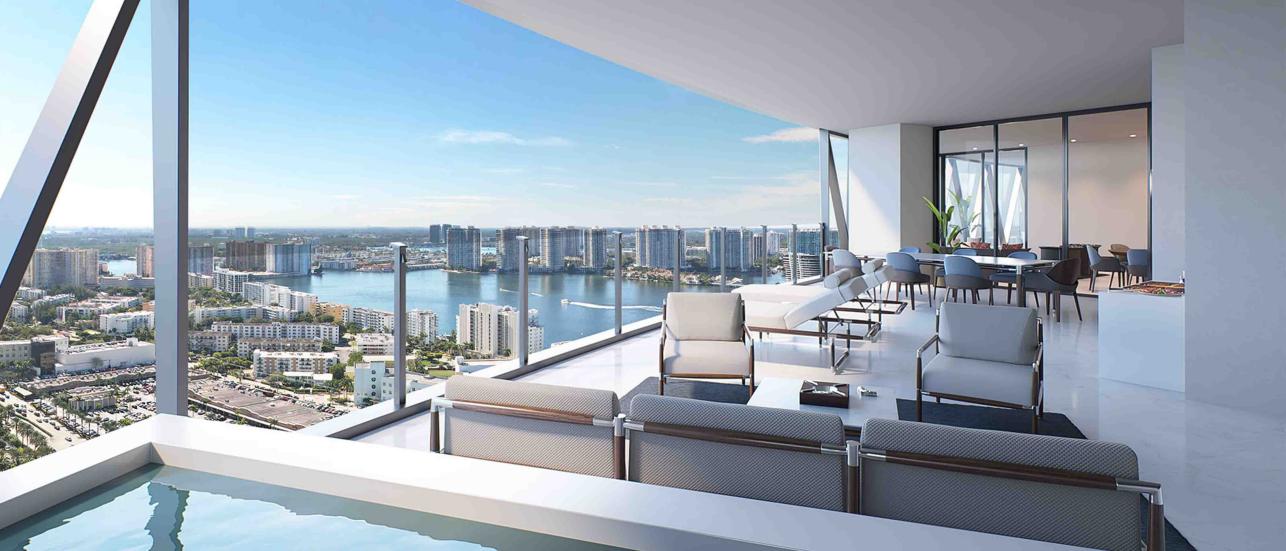
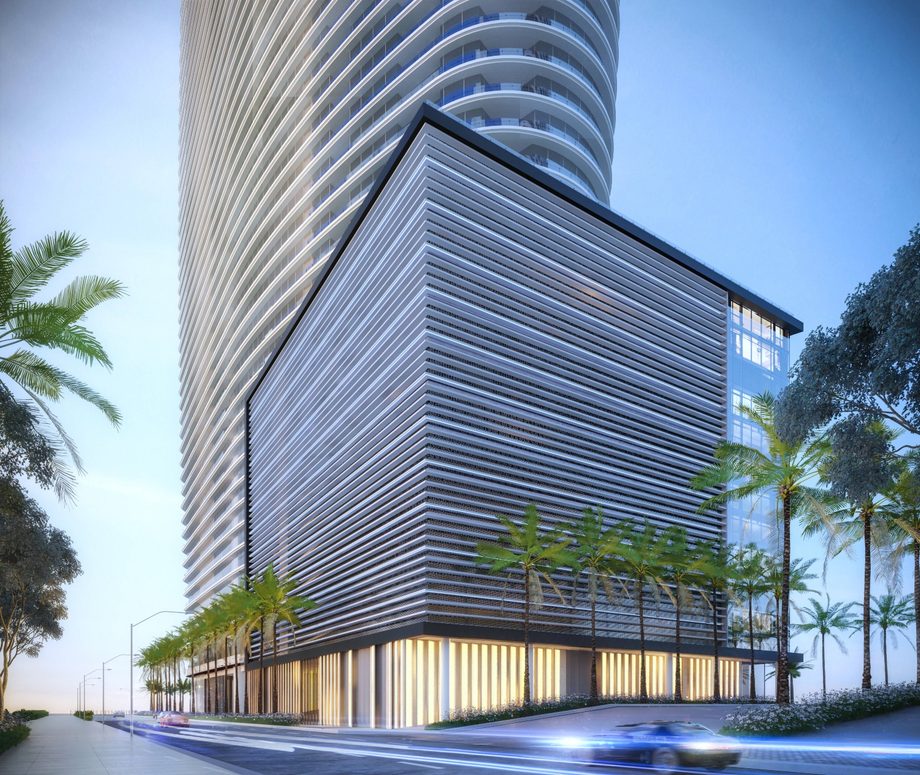
Bentley Residences Miami provides a tangible example of how automotive identity can influence residential design. Developed through a collaboration involving Bentley Motors, Dezer Development and Sieger Suarez Architects, the planned 61-storey beachfront tower in Sunny Isles Beach incorporates a patented vehicle elevator system that allows residents to drive directly to private garages within their homes.
The concept translates an aspect of automotive ownership into residential architecture, connecting personal mobility, convenience and the experience of home. For developers, an established luxury name offers differentiation in a competitive property market. For brands, residential projects extend their aesthetic influence into customers’ daily lives, often through partnerships with specialist developers and operators.
For buyers, however, the badge is only one consideration. Location, construction quality, service standards, management arrangements and long-term value remain central to assessing a property. A recognisable marque may contribute to desirability, but the underlying residential proposition must justify its premium.
A World Needs More Than a Logo
The expansion of luxury brands into increasingly diverse categories also raises questions about authenticity and exclusivity. As cafés, hotels and residences multiply, maintaining a coherent identity becomes more challenging.
A fashion-branded restaurant may attract attention through distinctive tableware and familiar design codes, but novelty offers limited incentive for repeat visits. Similarly, a hotel carrying a celebrated marque must deliver service and accommodation consistent with its positioning.
This raises a useful question: would the experience remain distinctive if the logo disappeared? Successful extensions should communicate a brand’s identity through craftsmanship, design, atmosphere and service rather than relying entirely on recognition. The strongest experiences translate established values into new settings while offering something compelling in their own right.
Operational execution presents another challenge. Creating desirable fashion and managing luxury hospitality require different capabilities. Partnerships with experienced operators can bridge that gap, although the distinction between brand ownership, licensing and management also affects how much control a maison exercises over the customer experience.
There is a broader tension between expansion and exclusivity. Greater accessibility through cafés, exhibitions and public-facing experiences may introduce new audiences to luxury brands, yet excessive expansion risks weakening the distinctiveness that originally attracted them. The challenge is to create new ways of experiencing luxury without allowing the brand’s identity to become interchangeable across unrelated categories.
Beyond the First Visit
The momentum behind luxury’s expanding brand worlds reflects an ambition to become part of more of consumers’ lives. Products can introduce customers to a house, while hospitality, cultural experiences and residential spaces offer opportunities to extend that relationship.
Yet every new destination also raises expectations. Each restaurant, hotel or residence becomes another expression of the brand and another test of whether its identity can translate into a different environment.
The next measure of luxury may therefore extend beyond the desirability of an individual object. As brands compete to create entire worlds around their identities, their lasting influence will depend on whether those worlds offer experiences compelling enough to justify the return visit.
For more on the latest in luxury business reads, click here.