Orient
Orient Watch blends Japanese heritage and innovation, offering primarily mechanical timepieces with refined design and advanced watchmaking technology.
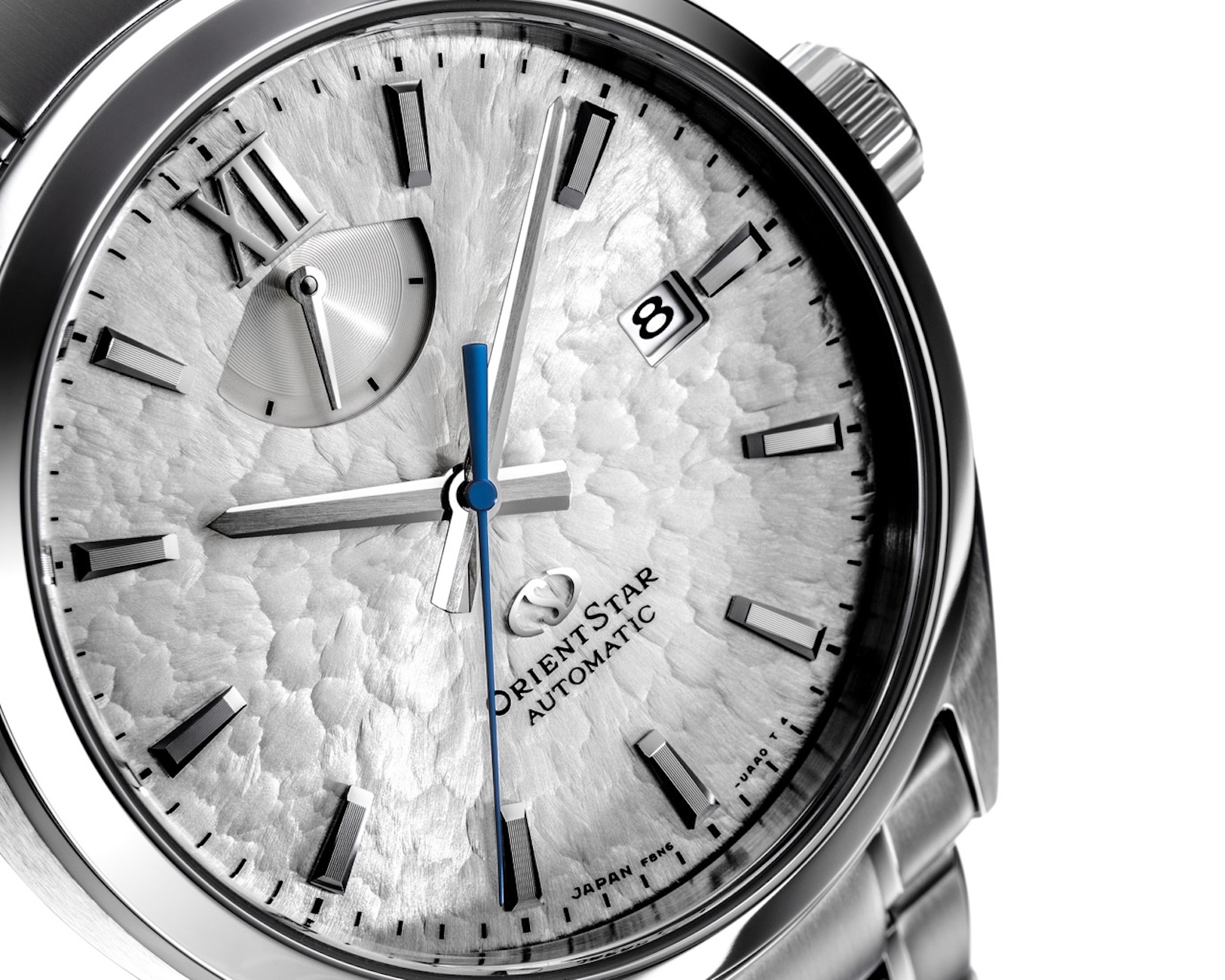
Orient Watch, a Seiko Epson firm, is yet another heritage watchmaker within the Japanese horological industry. It is perhaps the one with the most convoluted story since it did not start with Seiko Epson, which of course was not even called that. It was only in the 21st century that Seiko Epson began a formalised relationship with Orient.
There are other odd elements in the story of Orient but we have flattened these out for the sake of clarity. Initially, founder Shogoro Yoshida began selling imported pocketwatches in 1901, before establishing Toko Tokei Manufacturing in 1920, producing table clocks and gauges. Following the economic devastation brought on by WWII, Toko Tokei Manufacturing was shut down, before being revived as the Tama Keiki Company in 1950, which went on to become the Orient Watch Company in 1951.
Orient produced a timepiece called Orient Star that year, which followed up on the 1950 New Orient. The years that followed saw Orient Star further develop its understated, classic style, as well as expanding its international presence, especially in China, thanks to a 1955 trade agreement. In 1967, Orient debuted the Fineness, an automatic day-date that at the time was one of the slimmest Japanese-made timepieces.
In a demonstration of its watchmaking expertise, Orient’s miniaturising of its parts, minimising the space between gears, and single-piece case structure represented the pinnacle of Japanese automatic mechanical movements at the time. That said — as with most of its contemporaries throughout the 1970s and 1980s — Orient pivoted almost entirely to quartz, although this period did not last long.
Together with the renaissance of the Swiss watch industry, a renewed interest in mechanical watches followed, which Orient Star responded to with the Mon Bijou in 1991: a skeletonised mechanical movement encased in a transparent, manually polished case, followed by its first mechanical model with a power reserve indicator five years after. New World Time, GMT, skeletonised and semi-skeletonised models rapidly followed — a sign that the manufacture’s stylistic and technical nous were on the up and up.
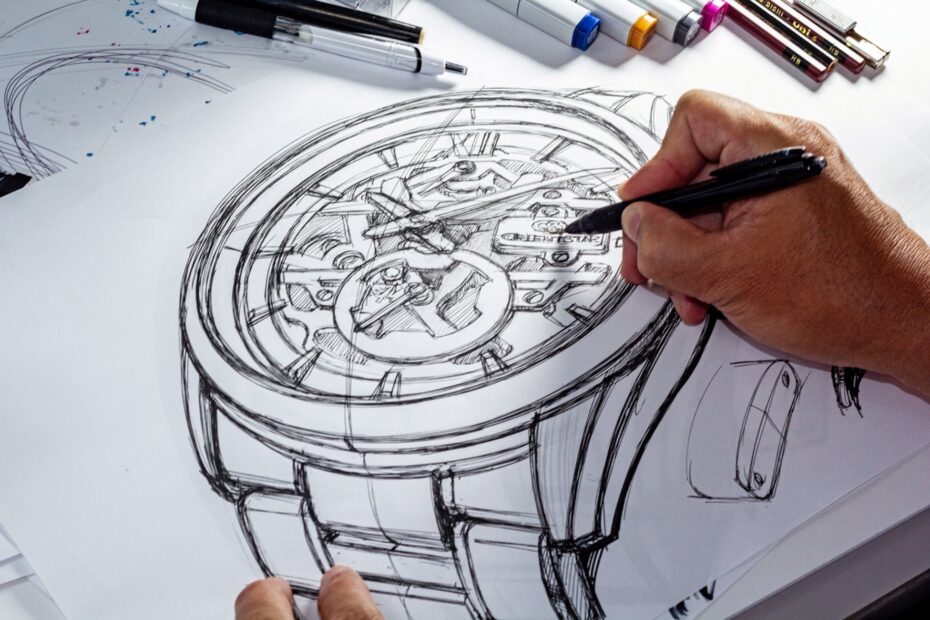
In 2017, the manufacture became part of the Seiko Epson Corporation, that produces movements for both the Seiko Watch Corporation and Epson wearables — the fruit of negotiations that had begun in 1985. Pooling resources, Orient Star further developed its range of skeletonised and semi-skeletonised watches, which today form the brand’s signature.
This development led to the release of the Orient Star and Star Royal skeletonised timepieces, with subsequent iterations following in 2004 and 2007 (the former notably featuring Girard-Perregaux-esque bridges). However, the best of the Orient-Epson union was yet to come. In 2021, on the occasion of Orient Star’s 70th anniversary, the self-winding Orient Star Avant-Garde Skeleton was introduced with a silicon escapement made using state-of-the-art MEMS (microelectromechanical systems) technology, developed through Epson’s manufacturing expertise in the semiconductor industry.
Today, the movements coming out of Orient’s facilities are 80% mechanical and 20% quartz — resulting in a profile that is significantly more mechanical-leaning than its peers. As with everything Japanese, such an occurrence is carefully calculated: it forms part of the manufacture’s strategy to promote its heritage, in alignment with the current Japanese trend of shifting from technological perception to a more emotional image of the nation’s products.
The recent introduction of the M-Collections is emblematic of the success the brand has experienced of late. Comprised of pieces such as the M34 F7 Semi Skeleton, the M34 F8 Date, the collection brings the best of what Orient Star has to offer in the area of manufacturing innovation and finely-crafted dial design — values that also underscore what the best of the Japanese horological industry stands for.
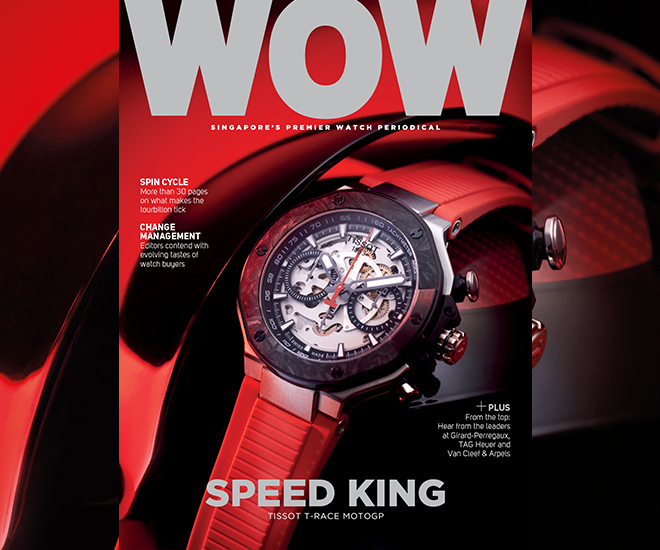
This story was first seen as part of the WOW Legacy 2025 Issue.
For more on the latest in luxury watch reads, click here.