Why Touch Matters Again in Luxury
As fashion becomes increasingly digital, physical objects, personalisation and human craftsmanship are giving luxury something the screen cannot easily reproduce.
Fashion has never been easier to see, yet luxury houses are increasingly finding value in what cannot be experienced through a screen. Runway shows travel around the world in seconds, collections appear instantly across social media and artificial intelligence is accelerating the production of digital imagery. Against this abundance, the physical object is acquiring a different kind of power: something to touch, handle, personalise and remember.
Balenciaga’s cassette-player and Dior’s hand-polished wénwán walnuts invitations, as well as Hermès’ HERMÈSTORIES in Hong Kong, just to name a few, gently point towards the same shift. The renewed interest in the tangible extends beyond analogue nostalgia. As imagery becomes easier to reproduce, physicality gives luxury something harder to replicate: evidence of time, human involvement and personal interaction.
The timing is significant. After years of price increases and slower growth, luxury consumers are paying closer attention to the qualities supporting a premium price. McKinsey describes the sector as undergoing a recalibration, with houses reducing their reliance on price-led growth and returning to creativity, craftsmanship and client experience to rebuild trust. Among high-net-worth consumers, expertise and quality remain defining characteristics of luxury.
In this environment, touch does more than make fashion feel pleasurable. It can help make value perceptible.
When Fashion Becomes Physical
Fashion has long used physical experiences to extend its world beyond the garment itself, from runway presentations and exhibitions to temporary spaces where fashion, performance and design intersect. Their relevance changes in a digital environment where a campaign or collection can reach millions without anyone entering a physical space.
Hermès offered a recent example with HERMÈSTORIES, staged at Freespace in Hong Kong’s West Kowloon Cultural District from 24 October to 8 November 2026. Conceived around the history and spirit of the house, the format brought Hermès objects and values onto the stage through a play written by Pauline Bayle and directed by Joe Hufton, alongside an exhibition allowing visitors to encounter objects connected to the stories up close.
Its significance lies in the translation of heritage into physical experience. A brand archive can be communicated through photographs, videos or written histories, but a theatrical performance asks an audience to be present for a specific period of time, while the accompanying exhibition introduces proximity and scale. Heritage becomes something encountered rather than simply consumed as information.
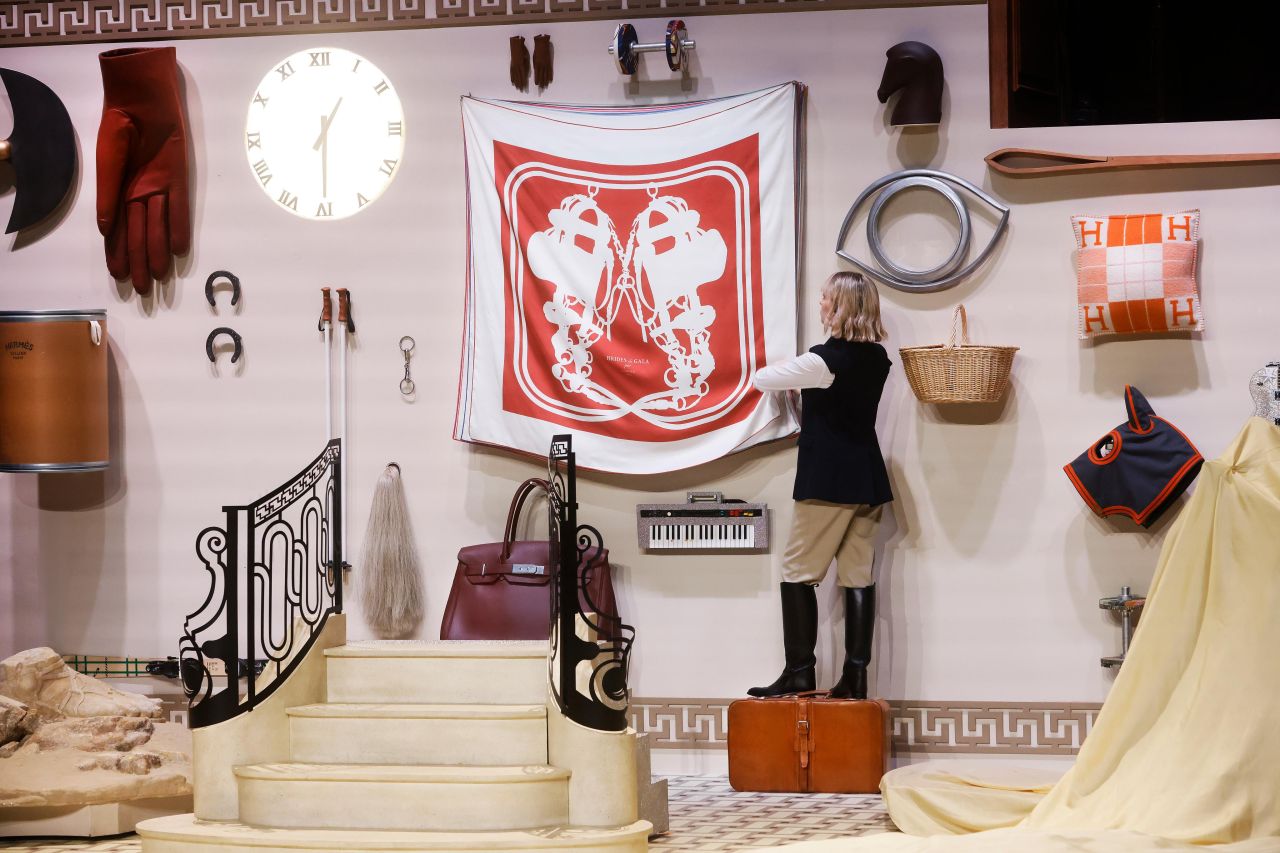
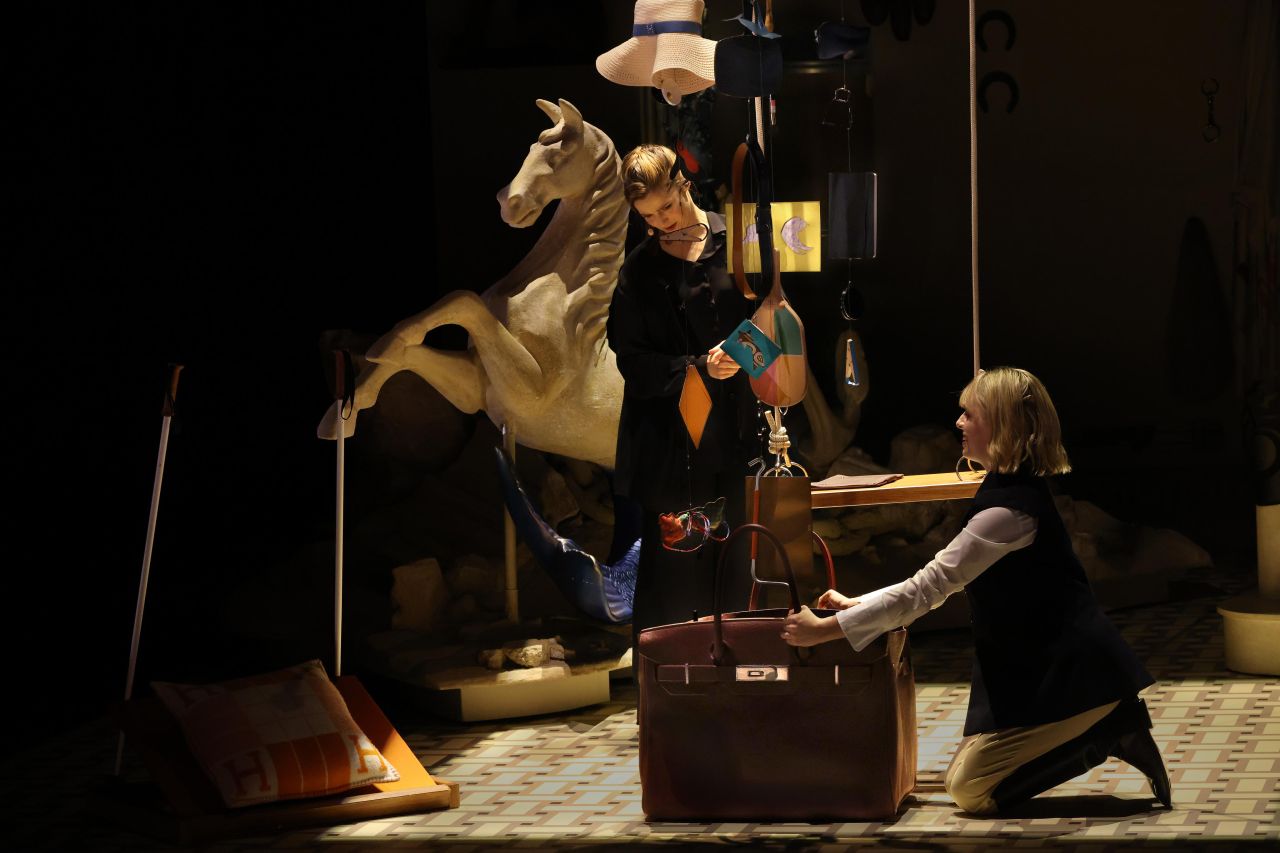
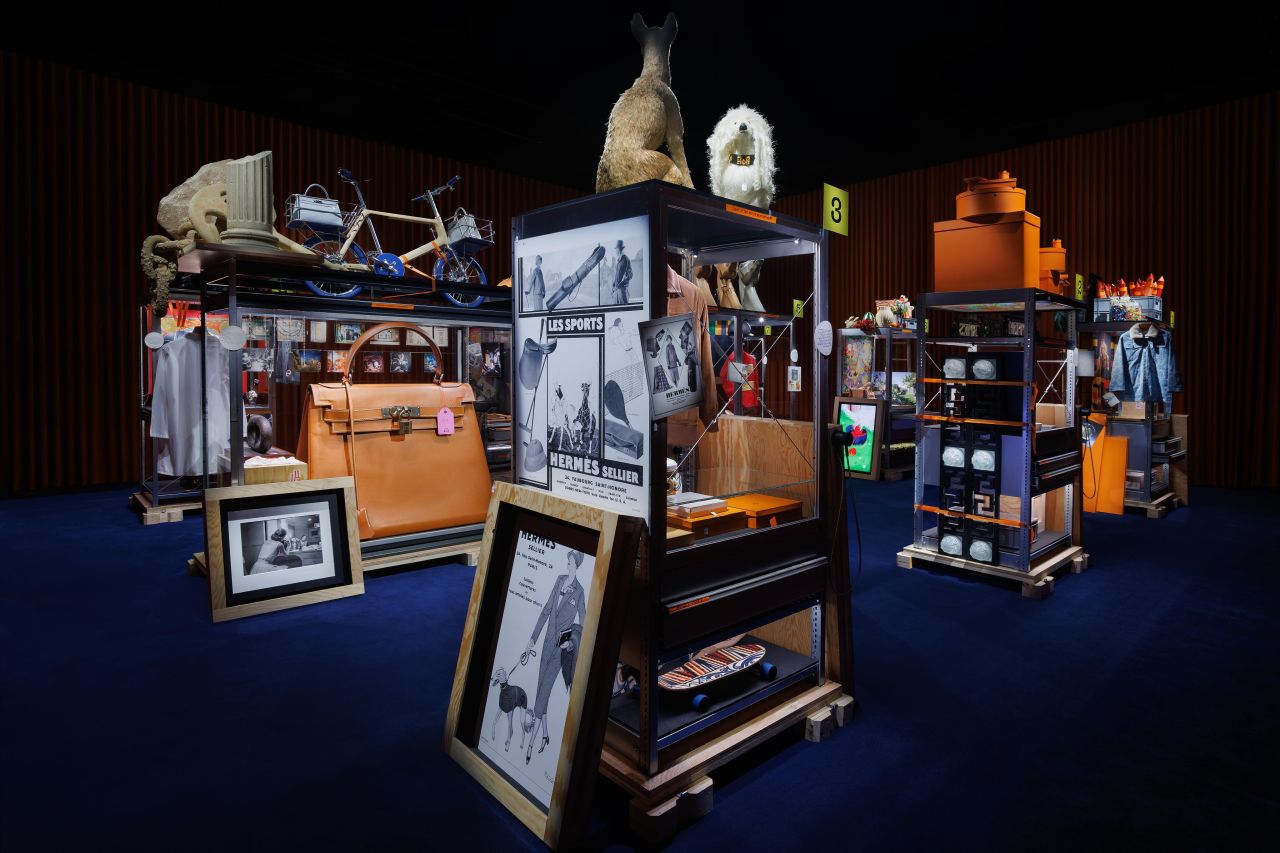
HERMÈSTORIES by Hermès at Freespace in Hong Kong’s West Kowloon Cultural District that recently ended on 8 November 2026. Images courtesy of Hermès.
The same appetite for participation can operate at a far more intimate scale. For Balenciaga’s Summer 2026 presentation, then-creative director Pierpaolo Piccioli turned the invitation to his debut collection into a physical encounter. Guests received a portable cassette player, wired headphones and a recording of a beating heart.
The device required participation. Recipients had to insert the cassette, put on the headphones and listen, transforming an otherwise functional piece of event communication into an introduction to the humanity and emotional connection behind Piccioli’s vision. Its deliberate inefficiency was part of the appeal: the experience demanded more from its recipient than opening another notification.
Jonathan Anderson adopted a similarly tactile approach for Dior’s Spring/Summer 2027 presentation. Guests received a pair of wénwán walnuts enclosed in a velvet-lined box, drawing on the Chinese practice of repeatedly rotating the objects by hand. With time and handling, their surfaces become smoother and more polished.
The walnuts introduced ideas of nature, imperfection and the passage of time before the collection appeared on the runway. More importantly, the object could continue changing after the invitation had fulfilled its practical purpose. Its meaning depended on continued physical interaction.
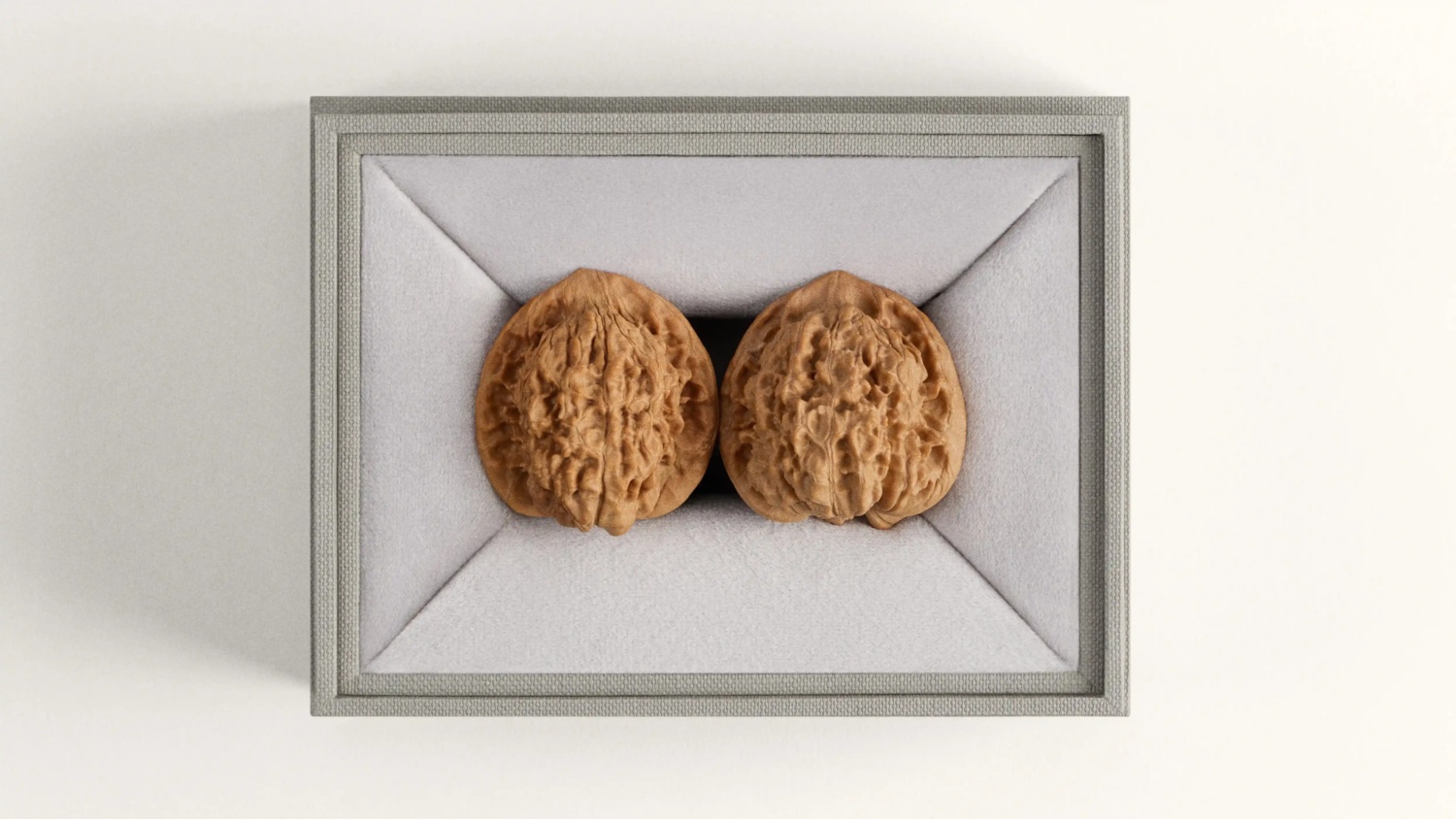
Neither Balenciaga nor Dior needed to create these objects simply to invite guests to a show. Their significance lies precisely in this excess of effort. One needs to be played; the other changes through touch. The invitation becomes part of the collection’s narrative rather than merely information about where and when it will appear.
Bottega Veneta extended the same thinking to print for Summer 2026 with a fanzine documenting Louise Trotter’s debut collection. Unlike an image destined to move quickly through a social feed, a printed publication gives a collection a physical afterlife. It can be retained and revisited, eventually becoming a record of an important creative transition at the house. In an industry built around constant novelty, permanence itself begins to feel distinctive.
The Value of the Human Hand
The renewed appetite for physicality becomes more consequential when it reaches the product itself. As digital technologies reshape fashion and artificial intelligence becomes increasingly capable of generating convincing visual worlds, human skill has acquired new symbolic weight. Trend forecaster WGSN describes a related movement as the Renaissance of Real, characterised by visible handiwork, imperfection and renewed interest in the creative process.
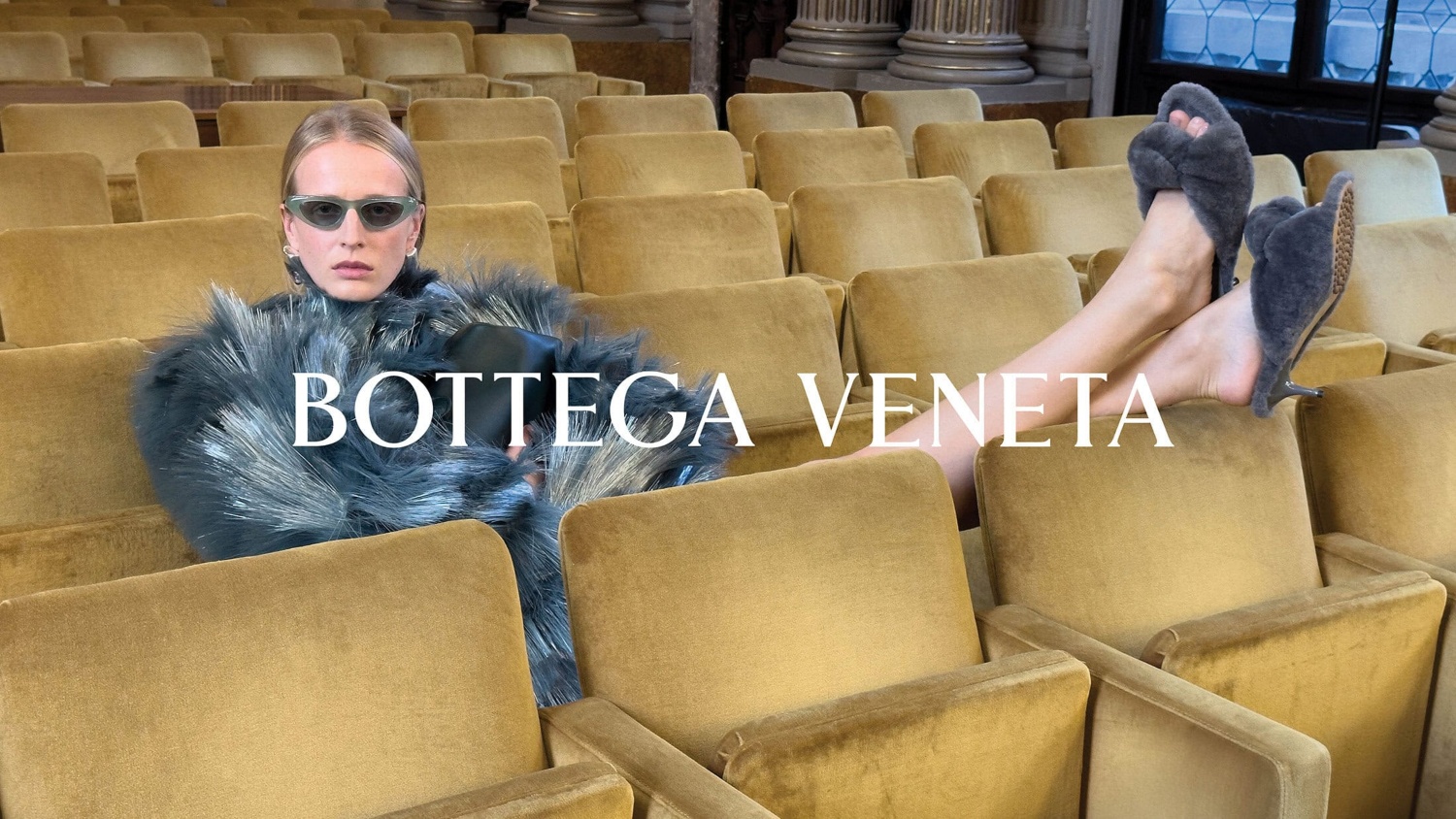
Bottega Veneta’s Summer 2026 collection offers an unusually literal demonstration. Trotter combined experimental materials with the house’s artisanal traditions, including jackets and skirts made from recycled fibreglass and a fringed nappa cape requiring approximately 4,000 hours of work. The collection paired sculptural forms and unconventional textures with techniques rooted in the house’s longstanding emphasis on material and construction.
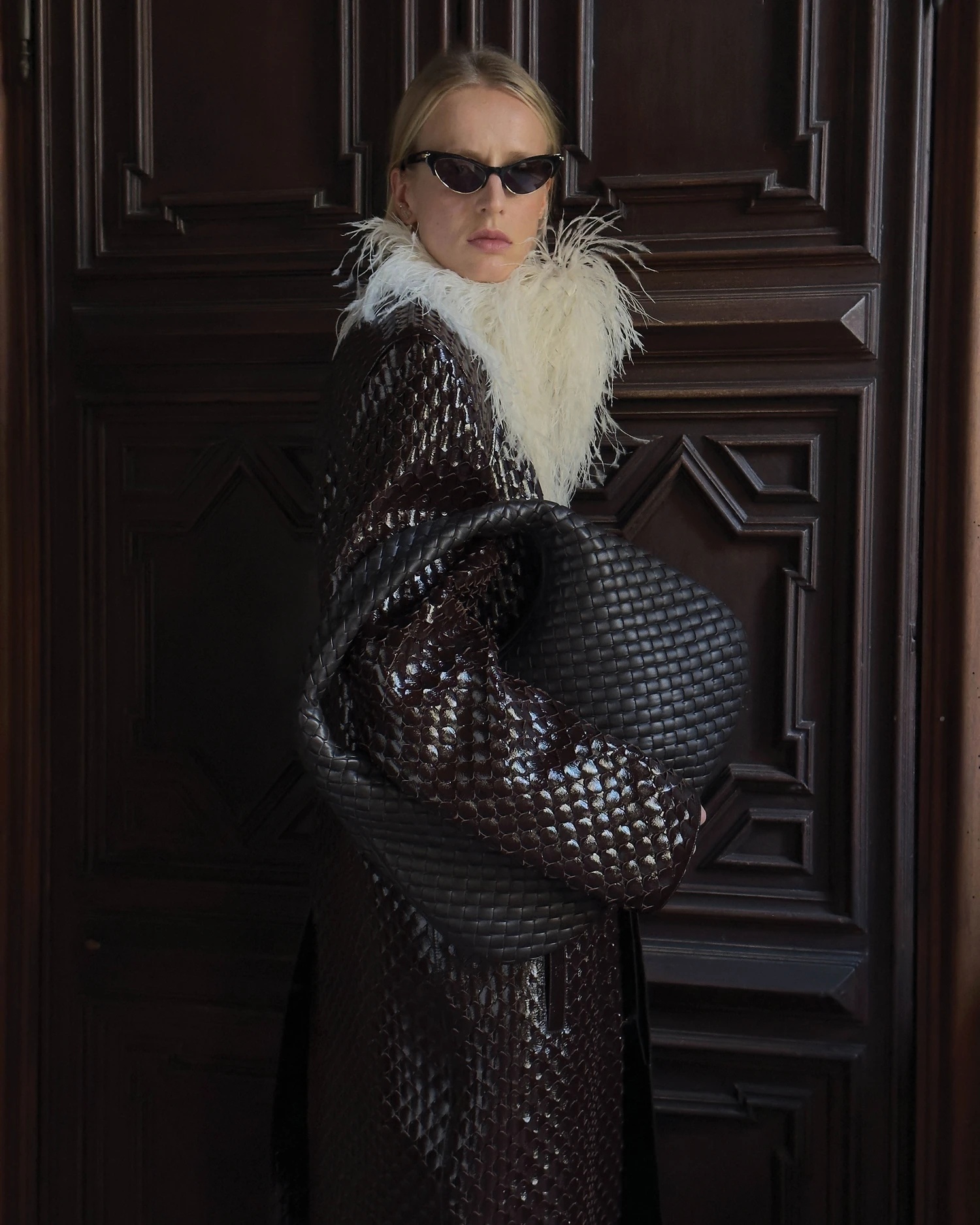
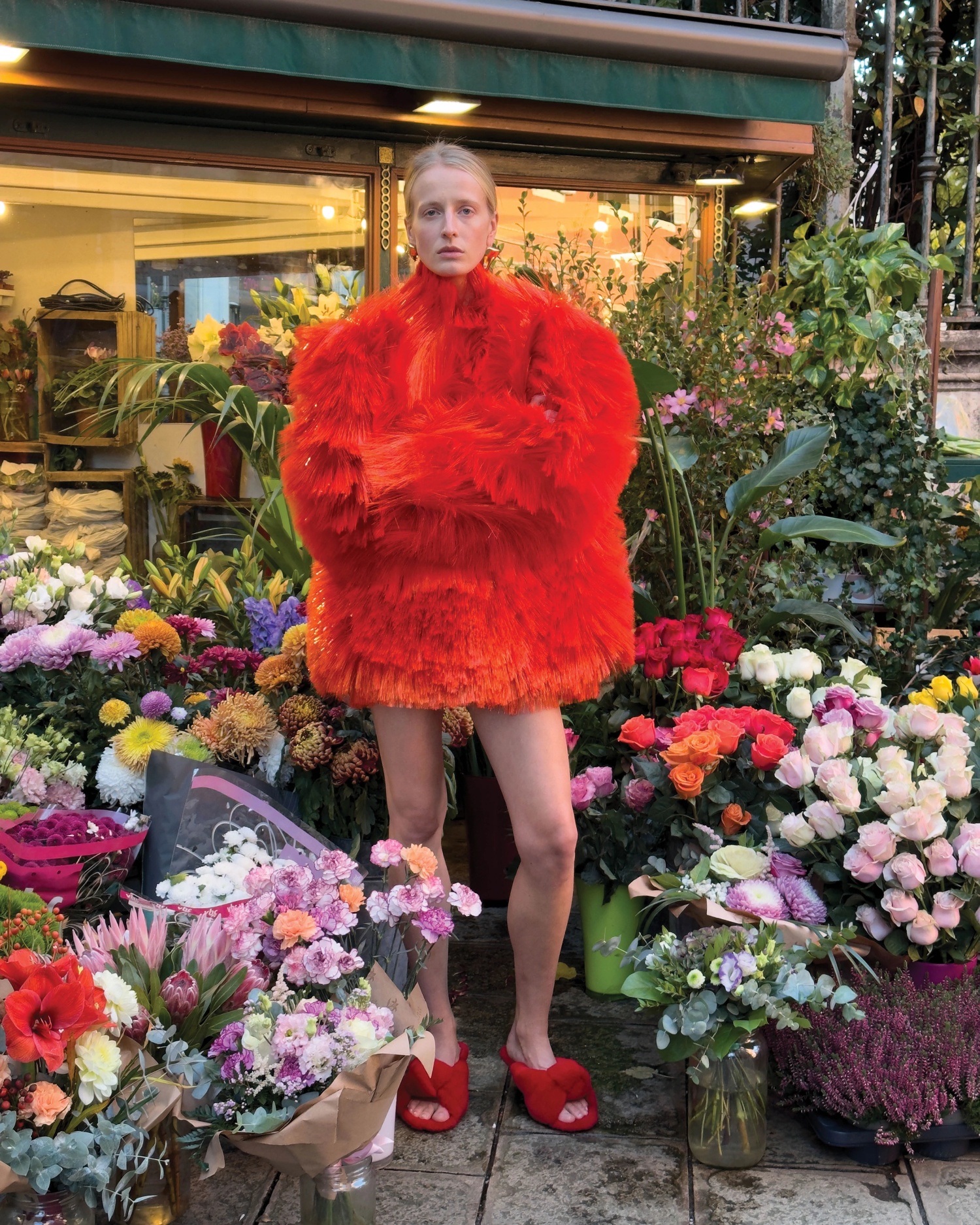
Bottega Veneta Spring/Summer 2026 Campaign. Images courtesy of Bottega Veneta.
In a photograph, the cape is a striking runway look. Knowing it required thousands of hours of work changes how its value is understood. Time itself becomes part of the material.
This becomes increasingly relevant in a luxury market being asked to justify its prices. Consumers are paying closer attention to craftsmanship, durability and creative direction, raising expectations that premium pricing should correspond with discernible quality and design.
Craftsmanship therefore becomes more than a heritage story. It provides evidence.
An image can communicate colour, silhouette and styling almost perfectly. It cannot reproduce weight, texture, movement or the accumulated labour beneath a finished surface. Physical interaction reveals another layer of information, making the human hand increasingly relevant precisely as digital production grows more sophisticated.
Personalisation Turns Ownership Into Participation
The desire for tangible interaction is also visible in the resurgence of bag charms, keychains and decorative accessories. From miniature figurines to playful leather pieces, these additions allow widely recognisable handbags to develop identities shaped by their owners.
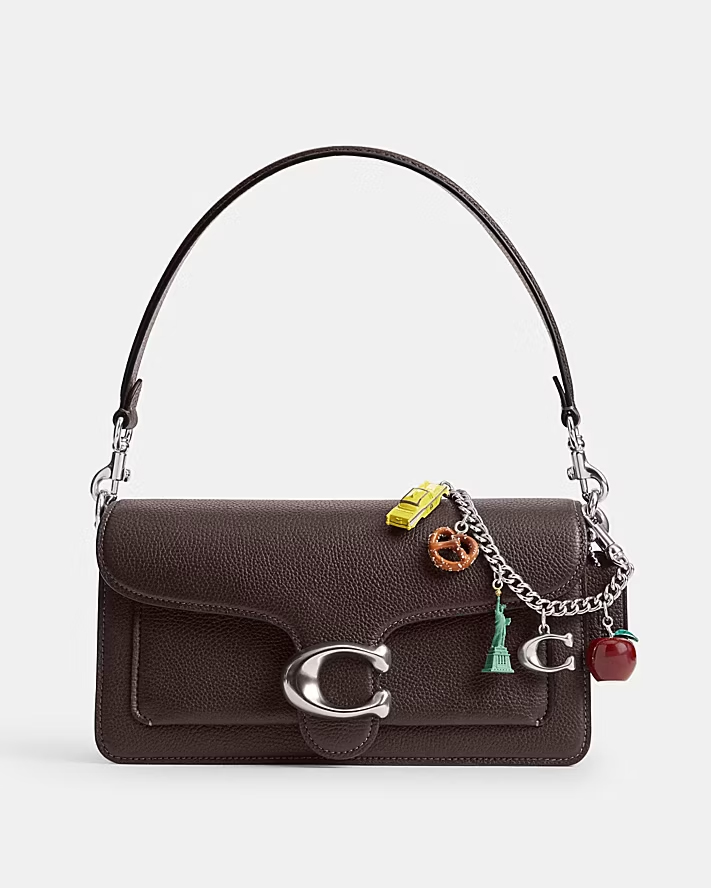
Coach offers a broad assortment of bag accessories ranging from cherries and taxis to shearling ducks and customisable charms, while LOEWE’s extensive charm collection moves between felt, calfskin, brass, beads and more sculptural designs intended specifically to personalise bags and accessories.
Personalisation itself is far from new. Its relevance now comes from the context surrounding it. Global fashion increasingly exposes millions of consumers to the same products and trends simultaneously. Visibility can make ownership feel more standardised, particularly when recognisable accessories circulate repeatedly through social media.
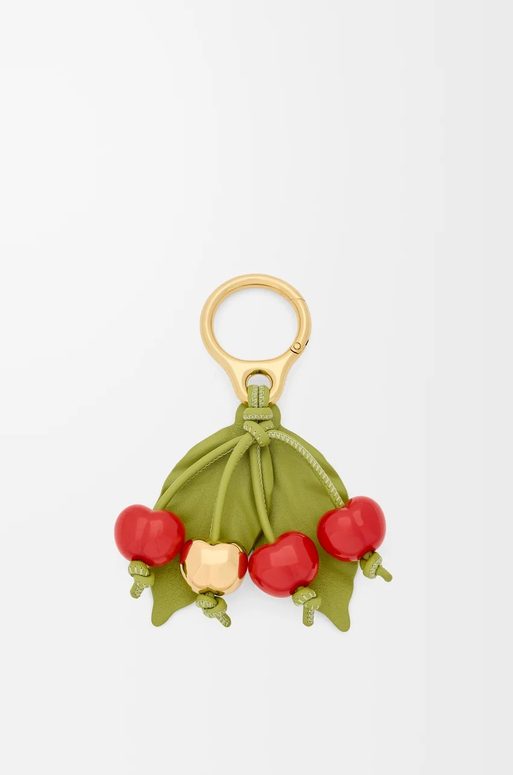
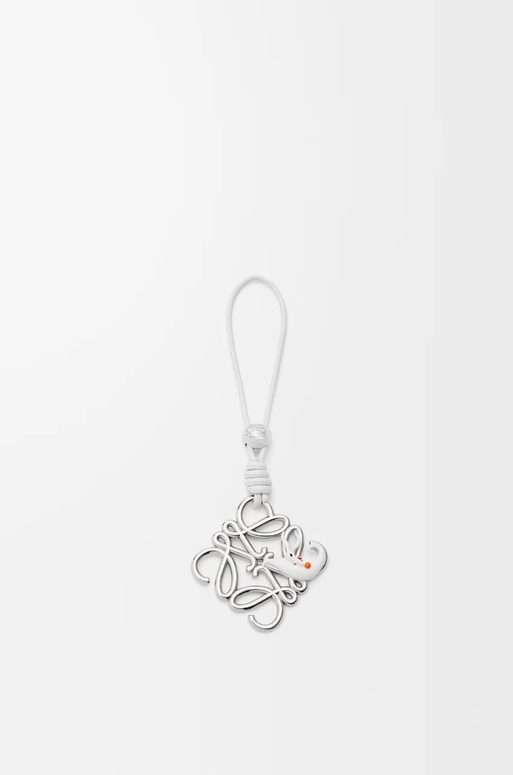
LOEWE’s playful charms turn everyday accessories into whimsical objects, pairing sculptural fruit motifs with the Maison’s signature Anagram and mouse detailing. Images courtesy of LOEWE.
A charm introduces an element of agency. Selecting, combining and arranging accessories allows the owner to influence how the finished object appears rather than accepting the product exclusively as the maison presents it.
The appeal therefore extends beyond decoration. Personalisation turns consumption into participation. The same handbag may begin as a globally recognisable design, yet wear, additions and individual styling gradually separate one example from another. Physical ownership creates an opportunity for an object to accumulate a personal history in ways its digital image cannot.
When Physicality Actually Matters
Tangibility alone, however, does not automatically produce meaning. An exhibition can become little more than an elaborate backdrop for social media. An unusual invitation can become another disposable object, while excessive decoration can create physical clutter as easily as endless content creates digital noise. Craftsmanship also loses significance when labour and complexity exist primarily to generate impressive numbers rather than improve the finished product.
The most convincing physical experiences give luxury a dimension that cannot be fully flattened into an image. Their value comes from requiring presence, participation or close attention: a performance that unfolds in real time, an object whose character changes through handling, or a garment whose complexity only becomes apparent through movement and construction. In each case, materiality becomes part of the meaning rather than an embellishment added around it.
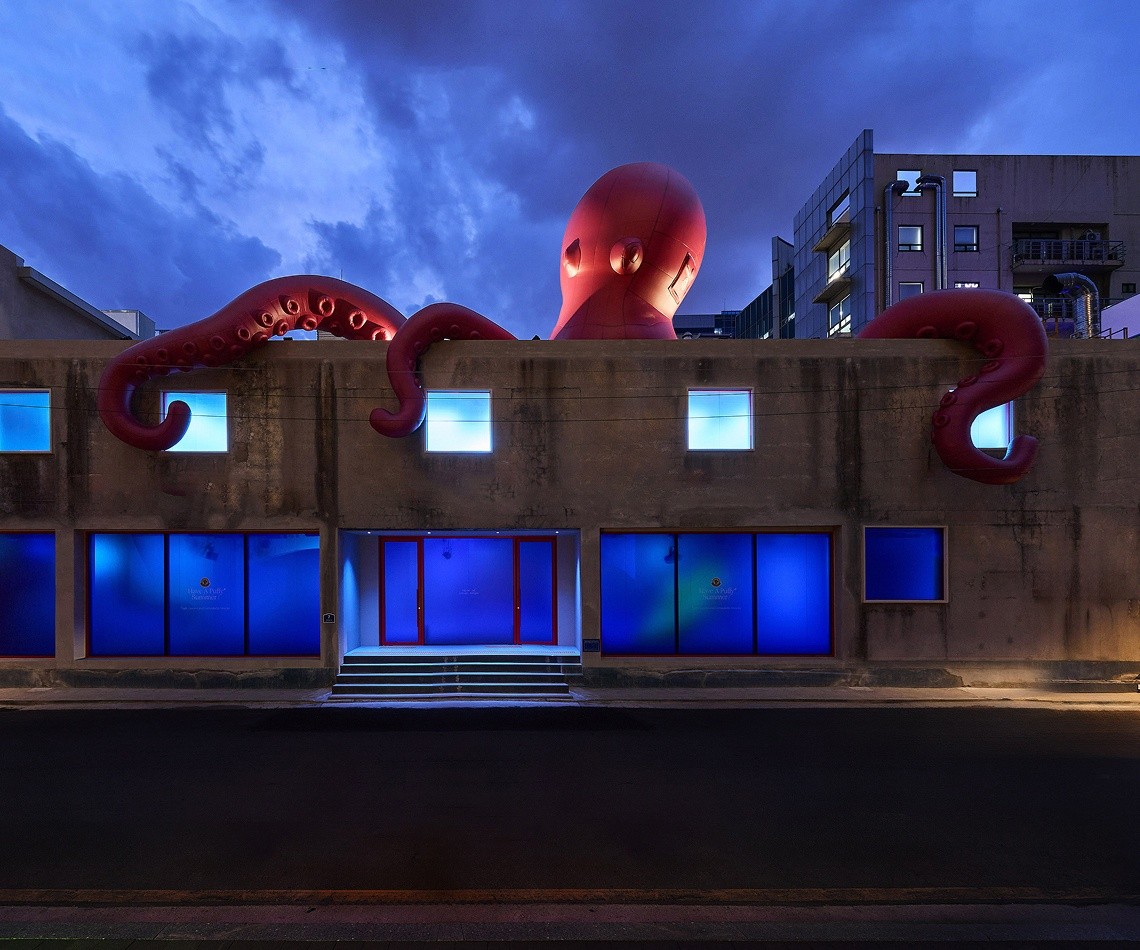
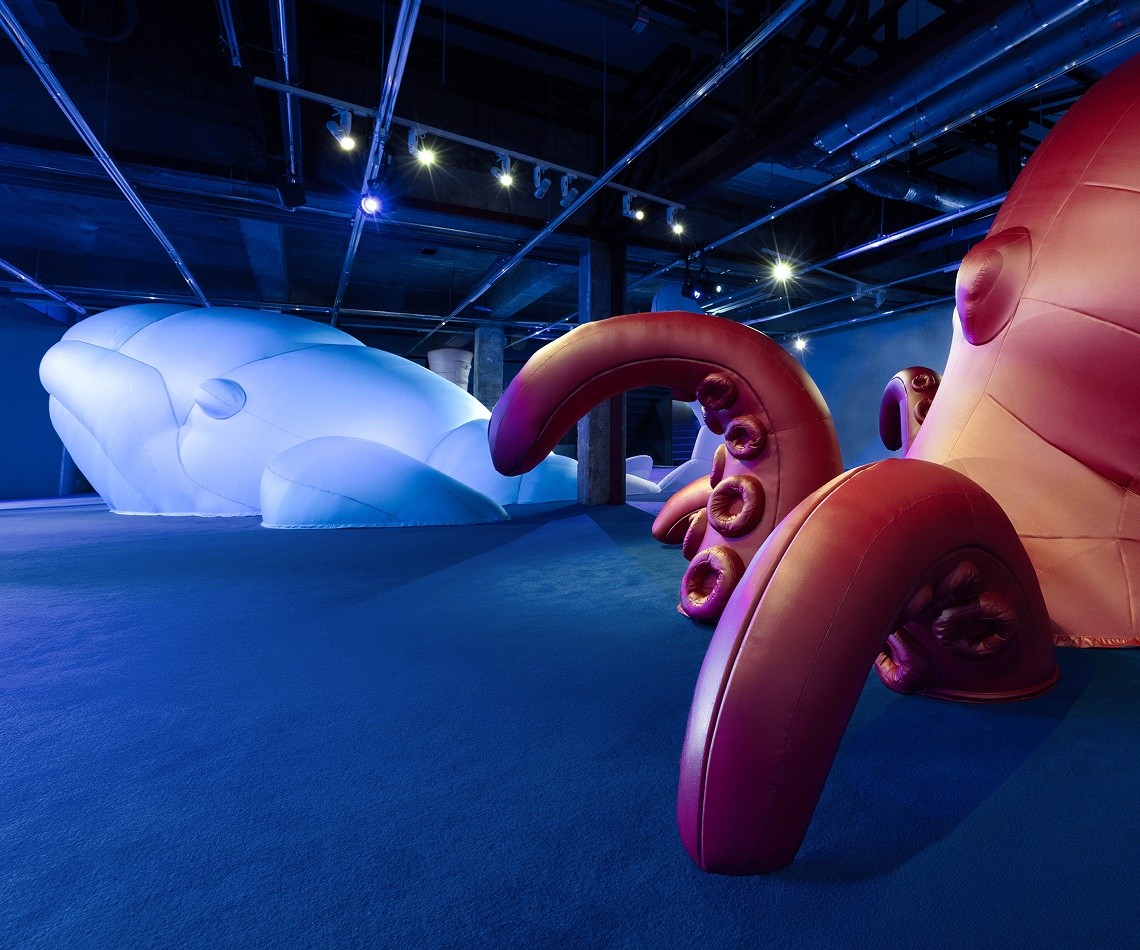
The same principle applies to personalisation. Adding more does not necessarily make an object more individual. Its value comes from the choices acquiring meaning for the owner.
This distinction prevents the return to physicality from becoming another aesthetic trend. Touch and presence matter when they reveal something a screen cannot, rather than because physical experiences are inherently superior to digital ones.
The Tangible Becomes a Different Kind of Scarcity
The renewed pull of the physical reflects a luxury market searching for forms of value that resist instant reproduction. Images can travel instantly. Collections can be watched from almost anywhere, trends can reach millions before products arrive in stores and AI can generate increasingly sophisticated visual content at extraordinary speed. Digital access has transformed fashion, widening participation in an industry once dependent on proximity and invitation.
Physical experience offers a different form of value alongside it. An exhibition asks for presence; a cassette becomes meaningful only when played, and a walnut records the passage of time through touch. A charm develops meaning through its owner, whereas thousands of hours of handwork resist the instant compression of a screen.
Luxury consumers are also becoming more demanding of the experiences surrounding products. Personal, memorable and difficult-to-replicate experiences increasingly shape perceptions of luxury, while craftsmanship and quality have become fundamental expectations rather than optional distinctions.
Perhaps, fashion has little reason to choose between digital reach and physical experience. The opportunity lies in understanding what each does best. Digital platforms can create extraordinary visibility; the tangible can provide intimacy, texture, memory and proof of human involvement.
As luxury searches for stronger ways to demonstrate value, the experiences and objects requiring physical presence offer a timely reminder: some forms of engagement still depend on time, attention and being there.
For more luxury style, culture and lifestyle reads, click here.