The Subscription Trap: Are Luxury Carmakers Charging Owners Twice?
Car owners are up in arms because unlocking features for your luxury car means getting into a subscription trap.
LUXUO revs its investigative engine on the controversy surrounding automakers turning vehicle features into recurring revenue streams, asking whether the convenience of connected technology is coming at an increasingly uncomfortable price. From heated seats that require a separate payment to performance upgrades and advanced driving assistance locked behind digital subscriptions, car ownership is changing. What was once a straightforward transaction between manufacturer and buyer is becoming an ongoing commercial relationship, with customers paying beyond the showroom for access to functions that may already be built into their vehicles.
For manufacturers, the appeal is understandable. Software, connectivity and over-the-air updates offer new revenue opportunities beyond the initial vehicle sale, while allowing features to be tailored to individual customers. Yet the practice has also prompted questions about transparency, value and the very meaning of ownership. BMW, Mercedes-Benz, Porsche, Audi, Toyota, Tesla, smart and NIO have all explored different forms of paid vehicle functionality. While some subscriptions provide genuinely additional services, others have tested the boundaries of what customers consider part of the car they have already purchased.
The question is no longer simply what a luxury car costs to buy, but how much more its owner may have to pay to enjoy everything it can do.
BMW – When Comfort Comes At A Monthly Cost
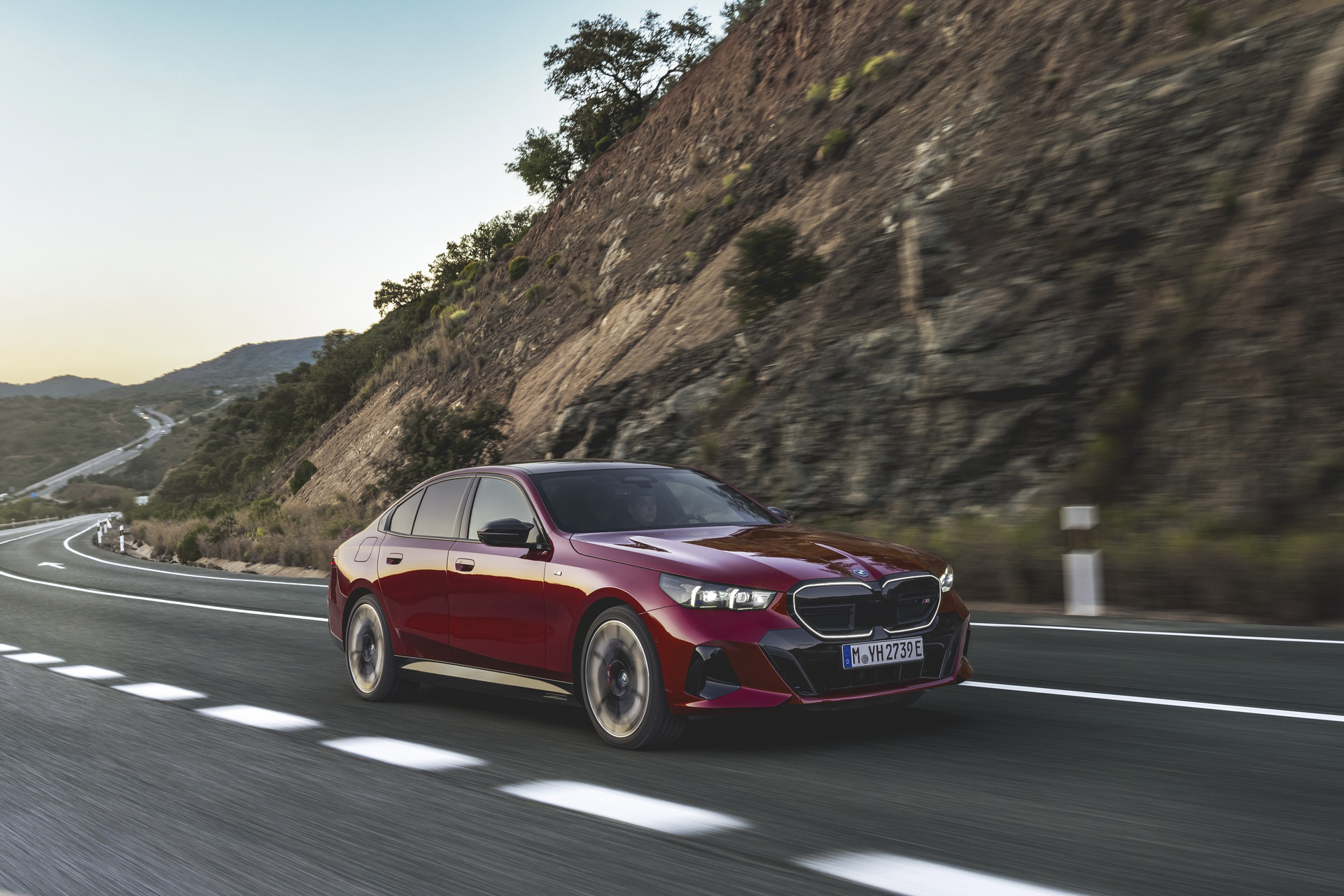
BMW became one of the most recognisable examples of automotive subscription backlash when it introduced paid access to factory-fitted heated seats in selected markets. In a 2022 report by Chasing Cars, the BMW 4 Series in South Korea required customers to pay for subscription-based heated seats.
Through its ConnectedDrive Store, owners could pay monthly, annually or make a one-time payment to activate the feature. BMW also offered heated steering wheels and certain driver-assistance functions through its on-demand platform.
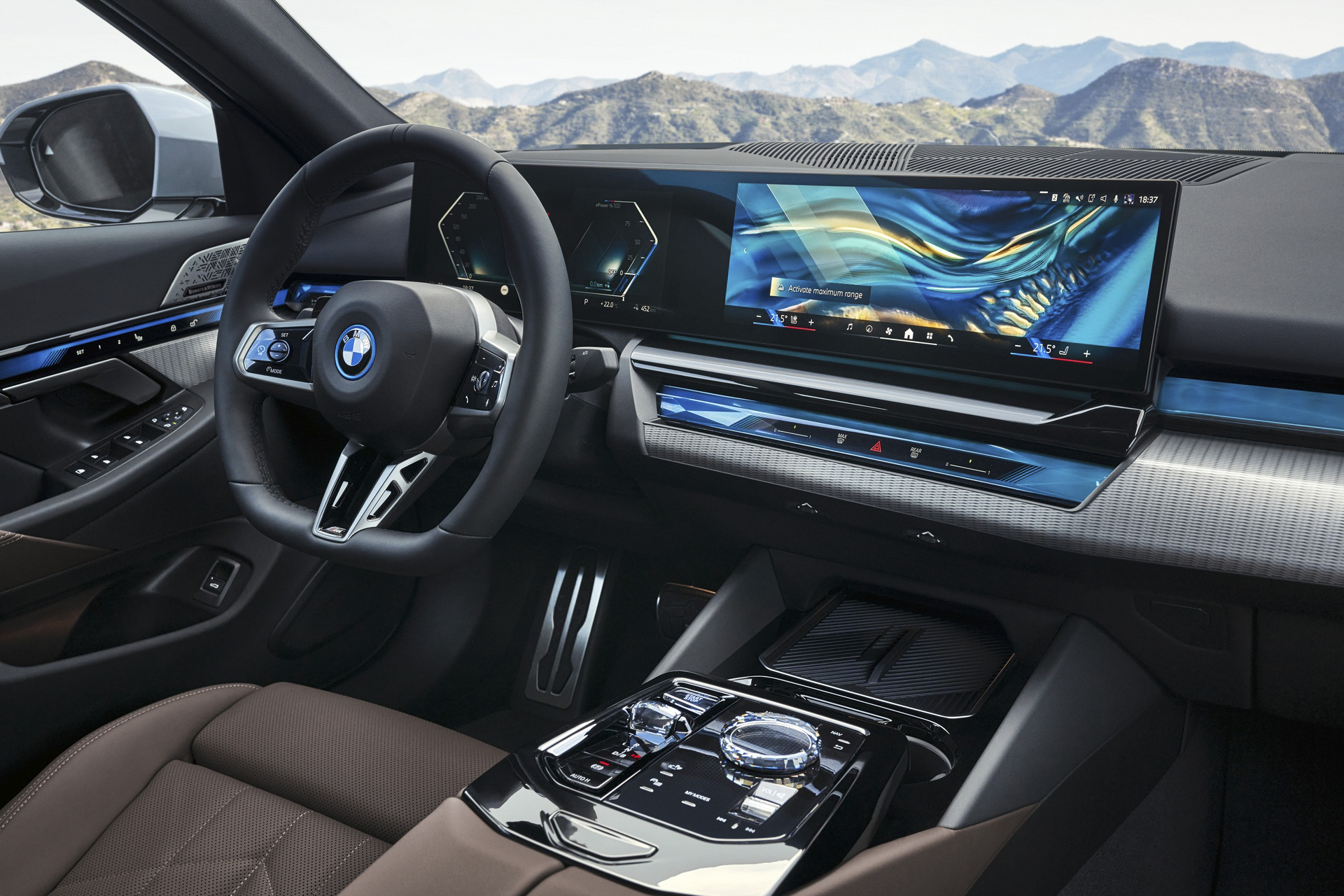
The proposition drew criticism from customers who questioned why they should pay an additional fee to use equipment already installed in their cars. BMW subsequently retreated from subscriptions for hardware-based features such as heated seats in September 2023, with a senior executive acknowledging that customers felt they were paying twice. The company has, however, continued to explore paid software and service-based upgrades.
The episode illustrates the risks of applying a digital subscription model to physical equipment, particularly when customers have traditionally expected comfort features to be part of the vehicle specification.
Mercedes-Benz – Paying Extra For More Power
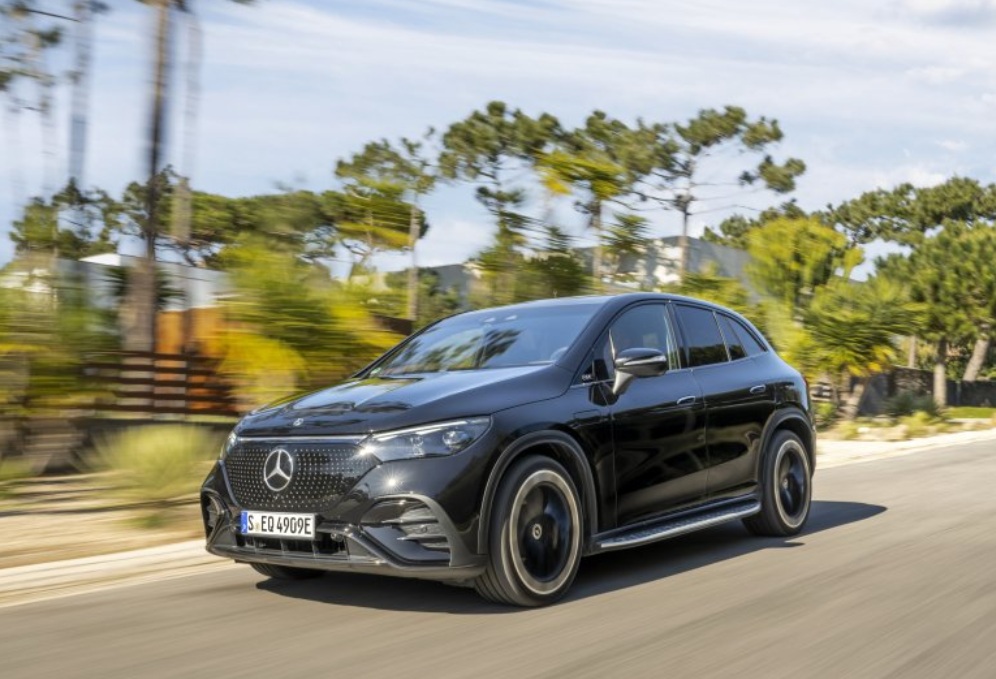
Mercedes-Benz took the subscription debate into performance territory with its Acceleration Increase on-demand upgrade for selected EQE and EQS electric vehicles in North America. Introduced in 2023, the service allowed owners to pay for additional motor output through an over-the-air software update, unlocking up to 80 additional horsepower and improving the 0–60mph acceleration time by as much as one second.
Available through monthly (USD 60), annual (USD 600), or lifetime payment options (USD 1,950), the upgrade raised an uncomfortable question: if the vehicle’s electric powertrain can already deliver more performance, should owners have to pay again to access it? Mercedes-Benz presented the arrangement as a flexible way for customers to personalise their vehicles, rather than a restriction on standard equipment. Nevertheless, paying a recurring fee for additional horsepower challenges the traditional link between a car’s purchase price and its performance specification.
Porsche – When Vehicle Functions Become Digital Extras

Porsche explored post-purchase monetisation through Functions on Demand, allowing owners of eligible Taycan models to activate additional equipment and software after taking delivery. Depending on the vehicle and market, available upgrades included adaptive cruise control and other driving-related functions.
The system gave customers the flexibility to add features as needed, rather than selecting every option at the point of purchase. However, it also added a new dimension to the ownership experience: certain capabilities could be activated or deactivated based on the customer’s payment arrangement.
Porsche has since adjusted its approach. From September 2024, monthly Functions on Demand contracts for the relevant Taycan models were discontinued in favour of one-time payments for unlimited use. Existing monthly contracts can continue until cancelled. The change suggests that the subscription model is not necessarily a permanent solution, even for manufacturers seeking new digital revenue streams.
Audi – A Car That Can Be Upgraded After Delivery
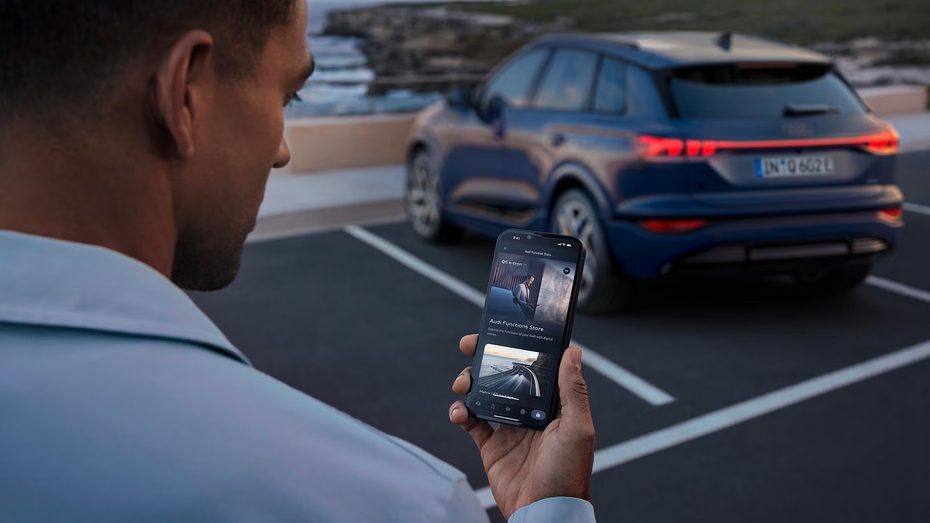
Audi’s Functions on Demand programme brings the traditional vehicle options list into the digital age. Rather than committing to every available feature when ordering a car, eligible owners can activate selected functions through the myAudi app after delivery.
Depending on the model and market, these can include Matrix LED headlights, adaptive cruise control, high-beam assistance and navigation-related features. Payment arrangements vary, with monthly, annual and longer-term or permanent activation options available for certain functions.
The attraction is flexibility: customers can add equipment as their needs change without returning to a dealership. Yet the arrangement also raises questions about how much a modern vehicle’s capabilities depend on its hardware, and how much depends on a manufacturer’s decision to grant digital access.
As software becomes an increasingly integral part of automotive design, the options list may no longer end when a customer signs the purchase agreement.
Toyota – Paying To Stay Connected To Your Own Car
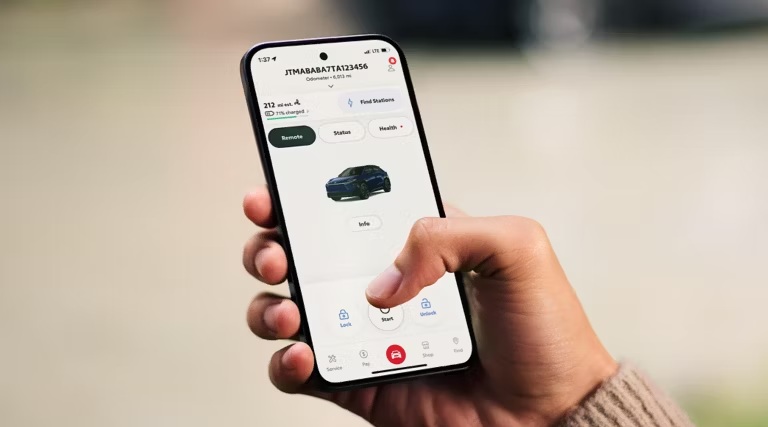
Toyota’s Connected Services programme demonstrates how recurring payments have extended beyond premium and performance marques. Its Remote Connect service lets owners of compatible vehicles remotely start the engine, lock and unlock doors, and check vehicle status through a smartphone or smartwatch.
In the United States, Remote Connect is offered at USD 8 per month, with pricing and availability dependent on the vehicle and market. The controversy became particularly pronounced when owners of certain earlier Toyota models discovered that remote starting through the physical key fob could also depend on an active connected-services trial or subscription.
Important model-year and equipment distinctions matter: Toyota later clarified the arrangements for some earlier vehicles, and not every key-fob remote-start function is subject to the same conditions. Nevertheless, the case highlights an increasingly blurred boundary between a vehicle’s physical controls and the digital services that support them. For customers, the question is whether connected convenience should remain an optional service or become another recurring cost of everyday ownership.
Tesla – The Monthly Price Of Assisted Driving
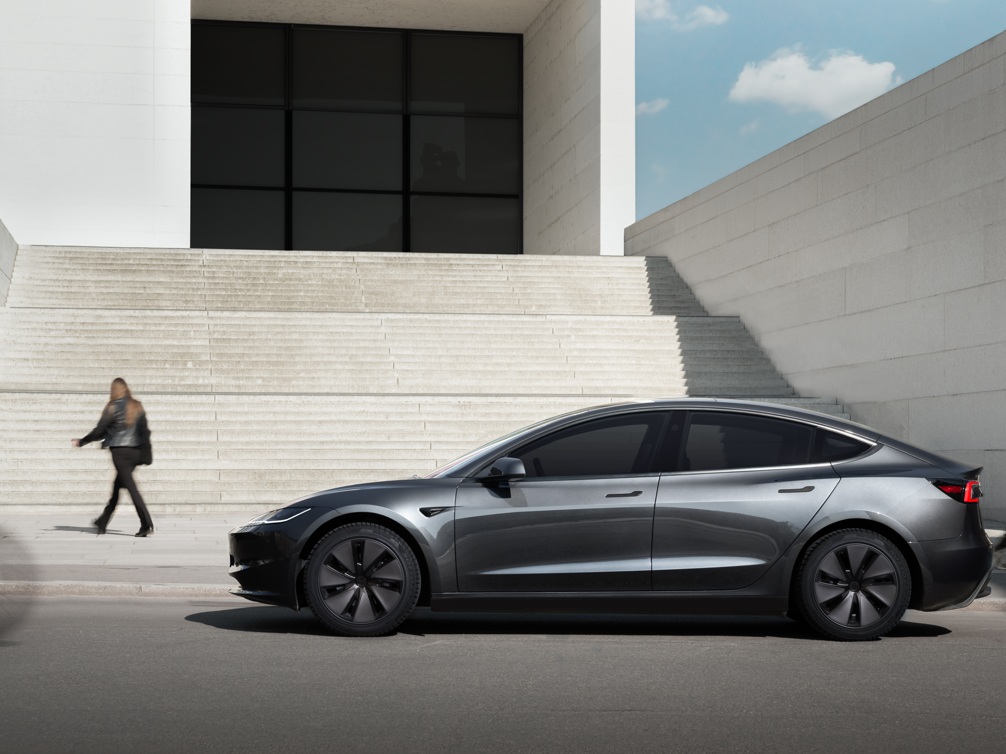
Tesla has made software-based vehicle upgrades central to its business model, with Full Self-Driving (Supervised) among its most prominent examples. The system offers advanced driver-assistance capabilities, including lane changes, navigation-guided manoeuvres and turning assistance, subject to driver supervision and regulatory approval.
In the United States, Tesla currently offers the service through a USD 99 monthly subscription. In January 2026, the company announced it would move away from one-time software purchases, making subscription the sole purchase option from 14 February 2026.
The arrangement illustrates software’s potential to generate recurring revenue long after a vehicle has been delivered. However, the terminology deserves scrutiny: despite its name, Full Self-Driving (Supervised) does not make a Tesla autonomous. Drivers must remain attentive and ready to take control.
For a company that has positioned software as a defining part of its automotive proposition, the subscription model may be commercially logical. For owners, it raises the question of whether advanced driving capabilities should be treated as a continuing service rather than part of the vehicle’s long-term value.
smart – Paying To Unlock The Comfort Already Inside
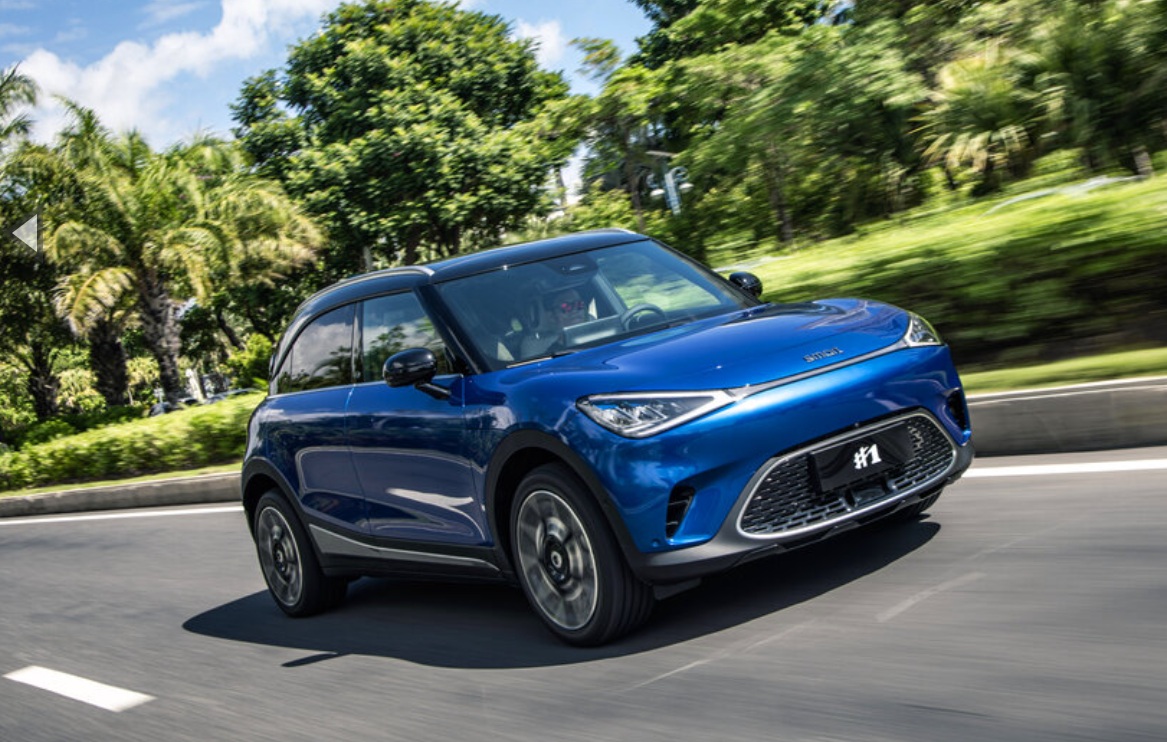
The smart #1 brought the hardware-subscription controversy into China’s electric-vehicle market. Following an over-the-air update in late 2022 and early 2023, the brand introduced paid activation for selected comfort features, including front-seat heating, steering-wheel heating and front-seat ventilation.
The published Chinese-market prices included RMB 129 per month (approx. USD 19) for front-seat heating, RMB 99 per month (approx. USD 15) for steering-wheel heating and RMB 199 per month for seat ventilation. Customers could also choose annual or permanent activation.
The arrangement attracted criticism from owners who questioned why they needed to pay extra for equipment already fitted to their vehicles. The marque defended the approach as a more flexible way to offer optional features, explaining that the cost of the pre-installed hardware was not included in the vehicle’s retail price. The company also argued that customers could activate features only when needed, rather than paying for equipment they might rarely use.
The debate nevertheless exposed a challenge for manufacturers adopting software-style monetisation: customers may not distinguish between the cost of installing hardware and the right to use it once it is in their car.
NIO – Paying For A Smarter Drive
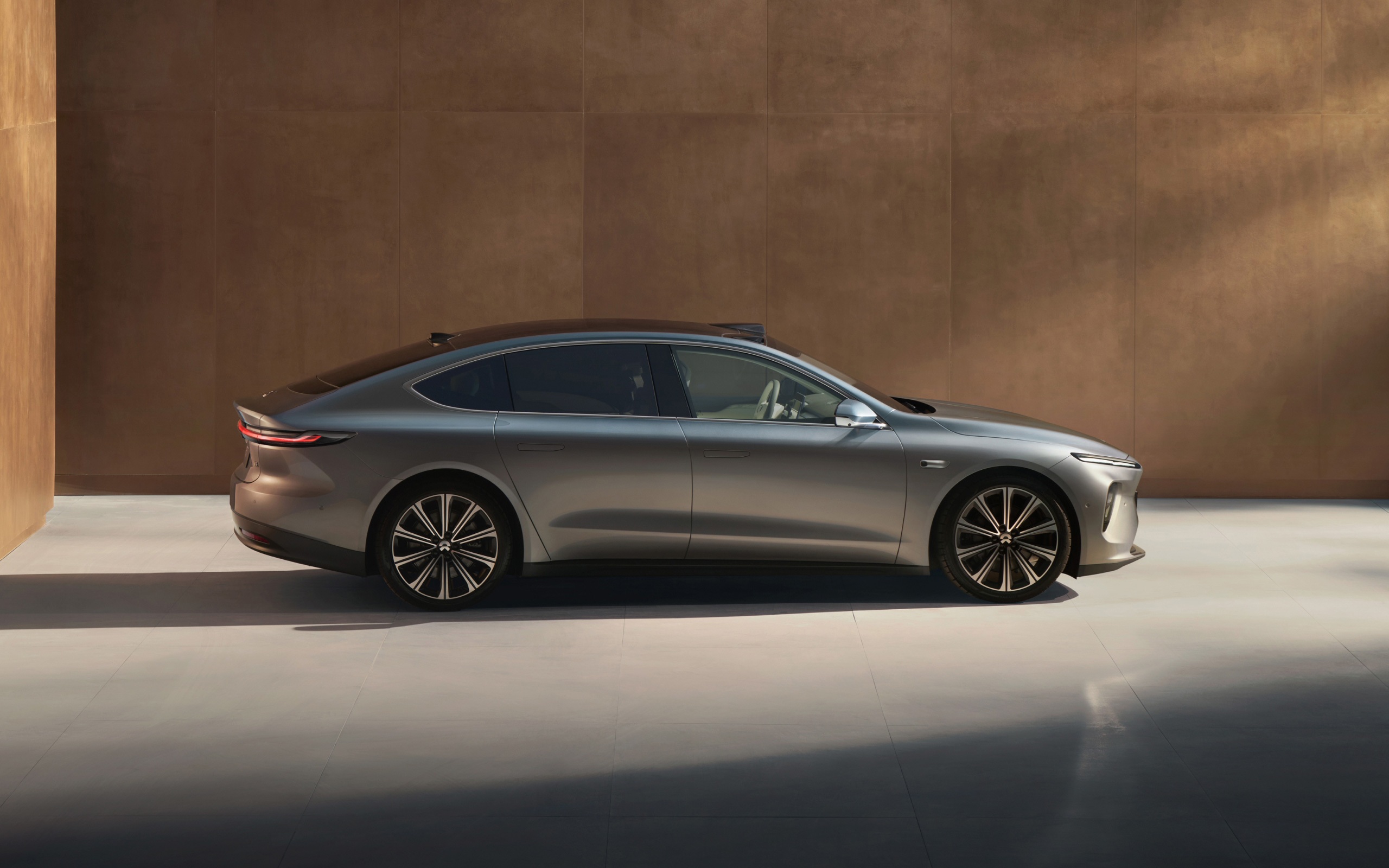
Chinese electric vehicle manufacturer NIO has taken a different approach to recurring revenue by offering subscription access to its enhanced driver-assistance technology. Its Navigate on Pilot Plus (NOP+) system, which provides assisted navigation on highways and urban expressways, moved out of beta testing and into paid subscriptions in July 2023.
The service launched at RMB 380 per month (approx. USD 57), after an extended free trial that let users experience and test the technology. NIO positioned NOP+ as a more advanced offering alongside its standard driver-assistance functions, rather than making every driving aid subscription-dependent.
The strategy reflects the growing importance of intelligent driving technology in China’s competitive EV market. It also allows manufacturers to monetise software that can be updated and improved after a vehicle has been sold.
Yet the model raises a broader question about the future of automotive ownership: as driving technology becomes increasingly sophisticated, will buyers expect these capabilities to be included in the purchase price, or accept that the most advanced functions come with an ongoing fee?
The Cost Of Owning The Future
The subscription model offers automakers a compelling commercial proposition, but its success depends on how customers perceive value. Paying for cloud-based services, live navigation data, or continuously developed driver-assistance technology may be easier to justify than paying to activate equipment already installed in a vehicle.
BMW’s retreat from hardware subscriptions demonstrates that customer resistance can influence how manufacturers structure their digital offerings. Porsche’s move away from monthly Functions on Demand contracts also suggests that recurring payments are not necessarily the only way forward. As cars become increasingly connected and software-defined, the distinction between owning a vehicle and subscribing to its capabilities will become harder to ignore. For luxury marques, whose appeal rests on craftsmanship, performance and the promise of an exceptional ownership experience, the challenge is to create new revenue streams without making customers feel that the car they bought is never quite complete.