How Do Five-Star Hotels Keep Their Marble Lobby Floors Spotless?
In the world of five-star hospitality, a flawless first impression begins beneath the soles. Discover how luxury hotels maintain the flawless, mirror-like elegance of their marble lobbies.

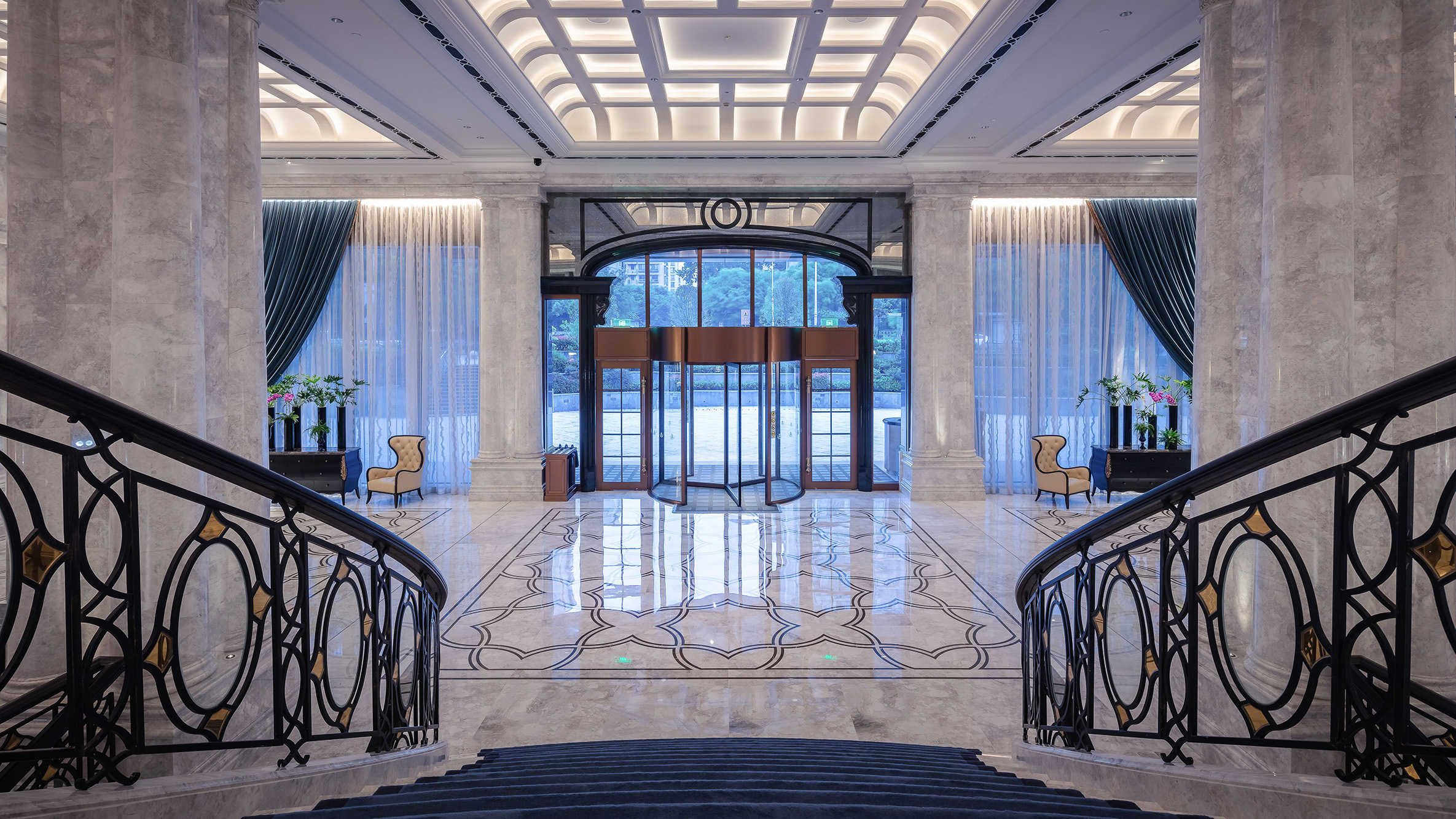
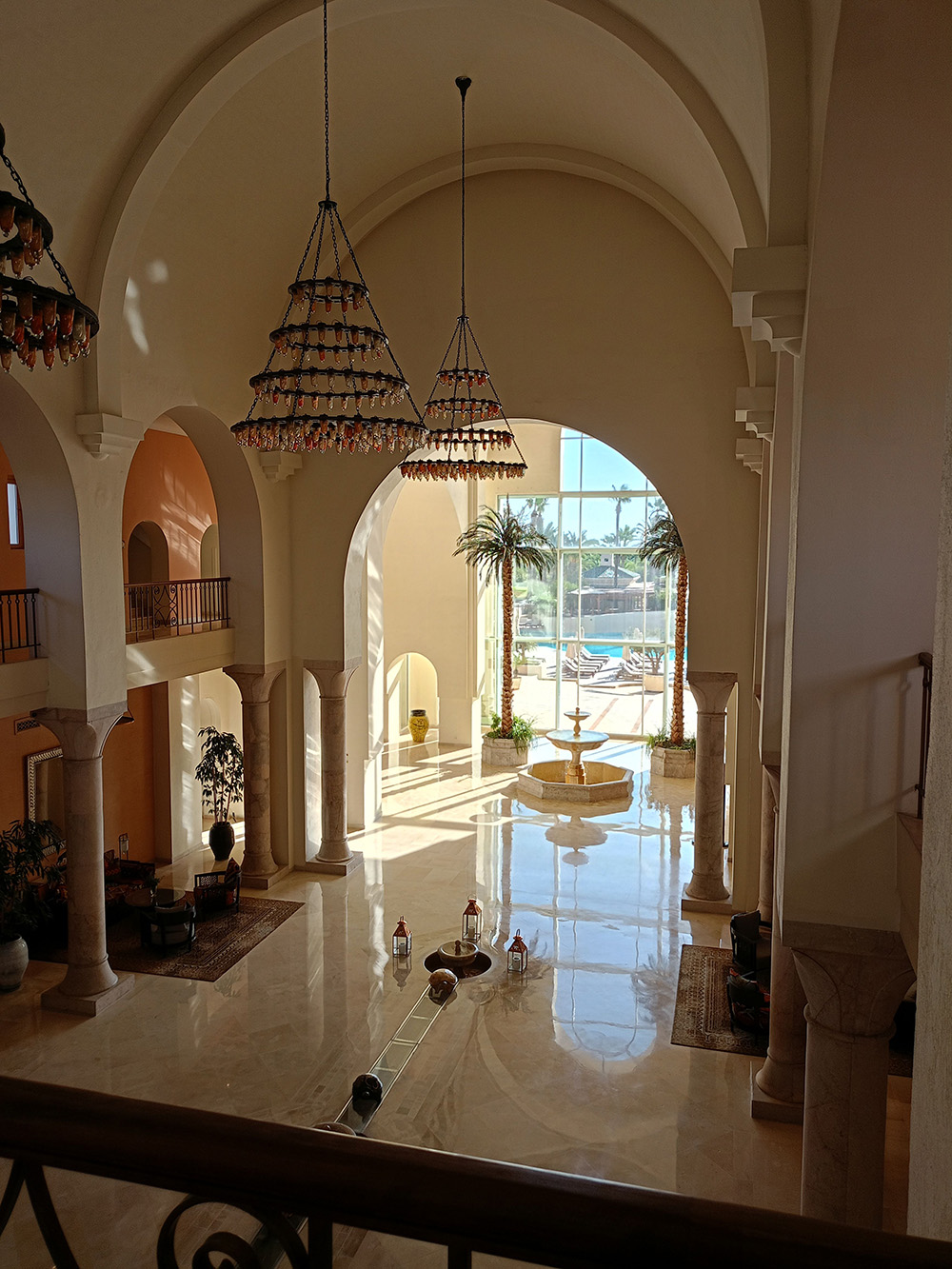
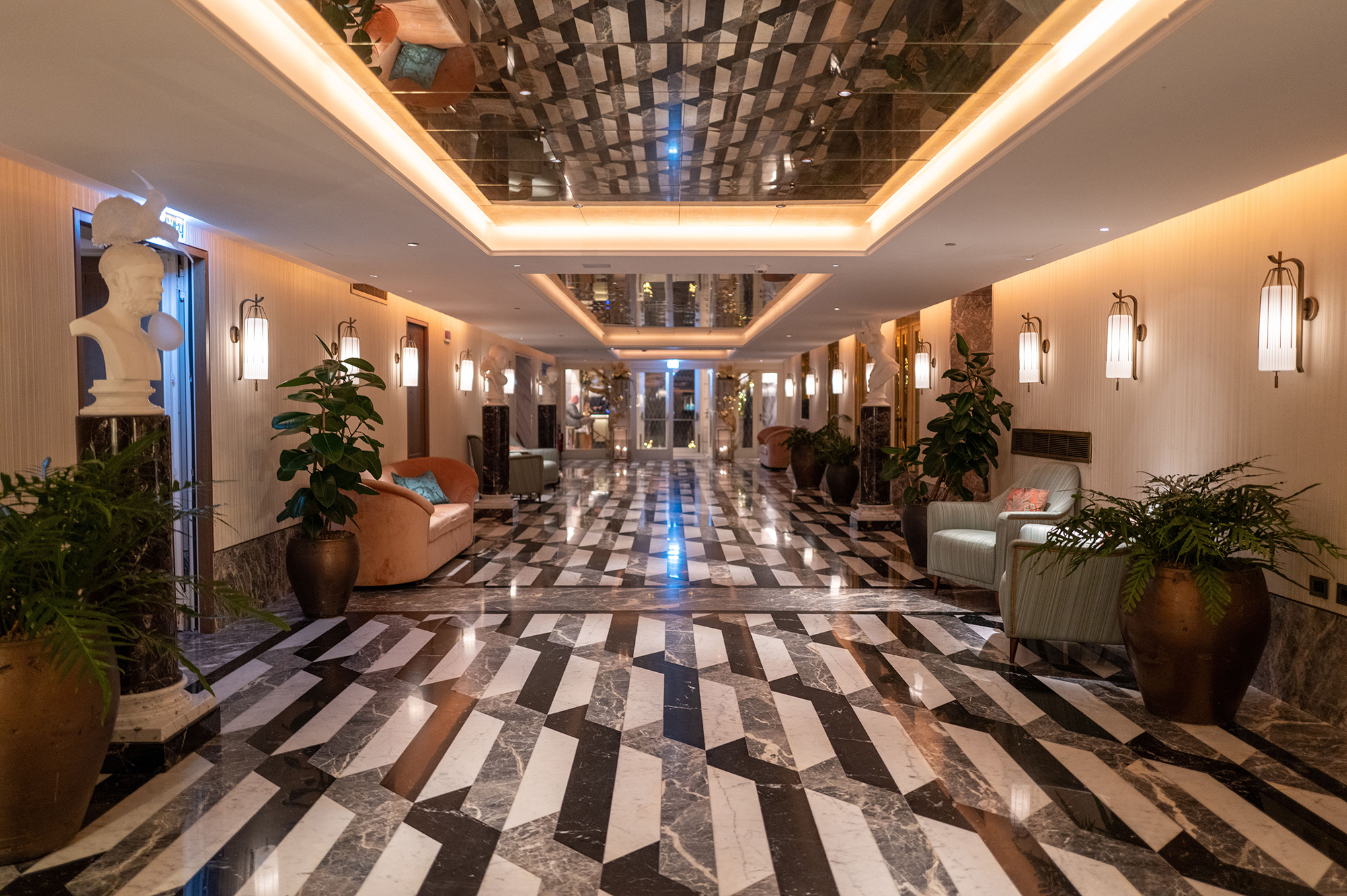
A marble lobby is the first thing a guest sees at a luxury hotel, and a dull or scratched floor undercuts the impression before anyone reaches the front desk. Keeping that stone mirror-bright is not luck. It is a disciplined program of the right chemistry, the right machines, and the right timing, run against a surface that is far less forgiving than it looks.
Marble is calcite-based and acid-sensitive, so a single wrong cleaner can leave permanent etch marks that scrubbing will not remove. This guide breaks down how five-star properties actually maintain their lobby floors and which suppliers support that work.
Why Marble Demands a Specialised Approach
Marble sits alongside terrazzo, natural stone, polished concrete, epoxy, and hardwood as a common commercial flooring surface, but it is the most delicate of the group in a high-traffic setting. Tracked-in grit acts like sandpaper under luggage wheels, wet mopping with the wrong solution dulls the finish, and acidic products react with the calcium in the stone to create hazy spots.
Day-to-day cleaning should rely on a neutral-pH cleaner that lifts soil without stripping sealer, and polished stone calls for softer pads than honed stone. The distinction between daily maintenance and periodic restoration is the foundation of any five-star programme.
The Five-Star Maintenance Routine, Step by Step
A luxury property layers three levels of care, moving from light daily work to occasional deep restoration. Each step uses different equipment and targets a different kind of wear.
- Daily dust and damp control: Crews dust-mop or use a compact sweeper to remove grit, then damp-mop or run a small walk-behind scrubber with a neutral-pH solution. Removing abrasive particles daily is what prevents traffic lanes from forming.
- Weekly deep cleaning: A walk-behind or ride-on automatic scrubber with soft pads lifts embedded soil that damp-mopping leaves behind, while controlled water and chemical use keeps the stone from over-wetting.
- Routine burnishing for gloss: A high-speed burnisher restores the reflective shine that foot traffic flattens. This is the step that keeps a lobby looking wet-polished between full restorations.
- Periodic diamond restoration: When etching, scratches, or lippage appear, a mechanical process using diamond abrasives grinds and re-polishes the stone itself, taking it from honed to semi-polished to a full mirror finish. This is specialist work, not routine housekeeping.
Timing matters as much as technique. Most professional marble work happens between 10 PM and 6 AM, because high-speed buffers, diamond pads, and wet vacuums are too loud and disruptive for a working lobby.
Crews phase the job section by section and use dust barriers and walk-off mats so polishing dust never reaches guest areas. Discretion, low noise, and a small equipment footprint are non-negotiable in guest-facing spaces.

Choosing the Right Floor Equipment
The machine has to match the surface and the space. Marble and other polished stone reward soft-pad scrubbers and burnishers, terrazzo and polished concrete tolerate more aggressive pads, and compact battery scrubbers suit tight lobby footprints where cords and noise are a problem.
The core categories a hotel draws on include walk-behind and ride-on scrubbers for washing, burnishers and floor buffers for gloss, sweepers for grit removal, and extractors and pressure washers for entrances and back-of-house.
Labour efficiency, water and chemical usage, and noise all factor into which model earns a place in an occupied luxury property, and whether a property buys outright or leases equipment shapes the cost per square foot over time. The four suppliers below approach that need in different ways, and only some of them actually sell the machines.
1. Imperial Dade
Imperial Dade is the largest name in the field and, following its March 2026 merger with BradyPLUS to form Imperial Brady, one of the biggest janitorial and packaging distributors in North America. It supplies floor equipment, chemicals, and consumables to hospitality, healthcare, and facilities clients from coast to coast.
Surface types
Imperial Dade supplies for the full range of commercial flooring a hotel runs, from marble and other natural stone to terrazzo, polished concrete, epoxy, and hardwood. That breadth lets a property with mixed surfaces source the right pads and chemistry for each one from a single vendor rather than assembling specialists.
Equipment categories
The catalog covers the full equipment range a stone program draws on, including walk-behind and ride-on scrubbers, burnishers, floor buffers, sweepers, and extractors, alongside pressure washers for entrances and back-of-house. Neutral-pH chemistry and soft pads suited to polished marble round out the offering.
Maintenance concepts
Imperial Dade stocks for both daily maintenance and periodic deep cleaning and restoration, carrying the burnishing pads that hold gloss and shine between full refinishes and the dust-control and matting products that reduce grit at entrances. Its range supports slip resistance and floor restoration as well as routine upkeep.
Use-case verticals
Founded in 1935 and headquartered in Jersey City, the company serves hospitality heavily alongside healthcare, grocery, retail, and cruise lines. As the combined Imperial Brady it operates more than 130 distribution locations and reports roughly $10 billion in annual revenue with over 13,000 employees, which makes it a single-source option for multi-property hotel groups across many markets.
Commercial considerations
The national footprint means broad stock availability and consistent fulfillment across regions, useful for a hotel group standardizing equipment and chemistry across properties. The trade-off is that machine selection for a delicate surface like marble sits inside a very large general catalog rather than a specialist floor-care focus, and its scale can make the discreet, low-noise support a guest-facing lobby needs feel less hands-on.
Pricing/ownership
Imperial Dade sells equipment outright and supports purchasing across its distribution network, and its scale gives it leverage on consumable pricing that recurs in the cost per square foot of a maintenance program. Lease and rental terms depend on the local branch and account rather than a single published model.
Pros
- Broadest national footprint and single-source purchasing across categories
- Deep equipment and chemical catalog backed by major scale
Cons
- A very large national network can make local service feel less personal
2. Nassco
Nassco is a family-owned distributor of janitorial and packaging supplies that pairs equipment sales with in-house service and repair, a combination that matters for floor machines a hotel depends on nightly. Its commercial floor equipment range covers the scrubbers, burnishers, and sweepers a marble maintenance routine relies on.
Surface types
Nassco supplies marble and other natural stone alongside terrazzo, polished concrete, and hardwood, with the neutral-pH chemistry and pads that keep polished stone from etching. A hotel with a marble lobby and back-of-house hard floors can match the right approach to each surface through one regional partner.
Equipment categories
Its floor-care range covers the scrubbers, burnishers, sweepers, and floor buffers a marble routine depends on, plus extractors for entrances and soft pads sized for polished stone. Because Nassco also services and repairs the machines it sells, and even units it did not originally sell, the equipment stays in rotation longer.
Maintenance concepts
The product mix supports both daily maintenance and periodic deep cleaning, with burnishing equipment for gloss and shine retention between restorations and dust-control tools that cut the grit responsible for traffic lanes. In-house service keeps machines available for the nightly upkeep that slip resistance and appearance depend on.
Use-case verticals
Established in Milwaukee in 1955 and now in its third generation, Nassco stocks more than 7,000 items across 350,000-plus square feet of distribution space and runs its own delivery fleet. It serves hospitality alongside industrial, healthcare, and education clients across Wisconsin, Illinois, Iowa, and Minnesota.
Commercial considerations
For a hotel running overnight floor care, a local partner that both supplies and maintains equipment is a practical edge over a pure catalog distributor, since fast repair keeps a nightly rotation on schedule. The in-house service model directly addresses the labor efficiency and uptime that guest-facing maintenance depends on.
Pricing/ownership
Nassco sells floor equipment outright and backs it with service and repair, which spreads ownership cost across a longer machine life rather than forcing early replacement. Bundling supply and maintenance through one regional vendor simplifies the cost-per-square-foot math for a property comparing in-house upkeep against outsourced labor.
Pros
- Sells and services floor equipment in-house, cutting machine downtime
- Family-owned since 1955 with local delivery and hands-on support
Cons
- Sales and service footprint is concentrated in the Upper Midwest
3. 4M Building Solutions
4M Building Solutions approaches the problem from the labour side rather than the equipment side. It is a commercial janitorial service contractor that supplies trained crews to clean and maintain facilities, including the overnight floor work luxury hotels require.
Surface types
4M cleans across whatever surfaces a facility contains, from marble and stone lobbies to terrazzo, polished concrete, and hardwood, but as a service provider it does not supply for those surfaces. Stone-specific results depend on how its crews are trained for each finish rather than on a catalog a hotel selects from.
Equipment categories
4M supplies the crews rather than the machines, so the scrubbers, burnishers, and pads used on a marble or terrazzo floor are whatever its teams are trained and outfitted to run. That covers the daily damp-mopping, scrubbing, and buffing a stone floor needs, but the hotel does not choose or own the specific equipment applied to the surface.
Maintenance concepts
The company handles the ongoing daily maintenance and scheduled deep cleaning a program requires, including the buffing that sustains gloss and the dust control that limits grit. Because the crew runs the routine, restoration-level work such as diamond refinishing is typically brought in separately rather than handled as part of the standard contract.
Use-case verticals
Founded in 1978 and based in St. Louis, 4M fields around 4,000 team members who clean more than 125 million square feet daily across roughly 14 states. Its work spans corporate offices, industrial and manufacturing sites, healthcare, and education, with hospitality among the environments it services.
Commercial considerations
Outsourcing labour removes the burden of staffing and managing an overnight crew, which appeals to properties that would rather buy an outcome than run a floor-care team. The trade-off is less direct control over noise, timing, and the discretion a guest-facing lobby demands, since those depend on the contractor’s crew rather than in-house staff.
Pricing/ownership
4M is a service contract rather than an equipment purchase, so a hotel pays for labour on an ongoing basis and owns no machines at the end. That shifts cost from capital outlay to a recurring operating expense, which can suit a property that prefers predictable service billing to managing depreciation on its own equipment.
Pros
- Managed, trained crews handle overnight labor without in-house staffing
- Turnkey service model across a multi-state footprint
Cons
- A service contract, not an equipment purchase, so the hotel owns no machines
4. Guest Supply
Guest Supply, a Sysco subsidiary, is a hospitality specialist, but its strength lies in amenities and operating supplies rather than hard-floor equipment. It is included here because hotels frequently source through it, and it rounds out the vendor landscape a property already buys from.
Surface types
Guest Supply is surface-agnostic in the sense that it does not supply for hard floors at all. Its catalogue serves guest rooms and common areas through amenities and consumables, so marble, terrazzo, and other stone surfaces fall outside what it equips a property to maintain.
Equipment categories
The catalogue centers on amenities, linens, and housekeeping consumables rather than hard-floor machines, so it supplies the cleaning chemicals and small appliances that support daily upkeep more than the scrubbers and burnishers a stone program requires. A property can source everyday supplies here, but a dedicated marble routine still needs a floor-equipment vendor elsewhere.
Maintenance concepts
Guest Supply supports the daily-maintenance layer through cleaning consumables and housekeeping supplies, but it does not cover deep cleaning, burnishing for gloss retention, or diamond restoration. For those maintenance concepts a hotel relies on an equipment distributor or a service contractor instead.
Use-case verticals
With over 40 years in hospitality, Guest Supply serves roughly 25,000 customers in more than 100 countries with 30,000-plus products, concentrated almost entirely on hotels and lodging, from major chains to independent properties. Its distribution network spans the US, Canada, Europe, Asia, and the Middle East.
Commercial considerations
As a Sysco subsidiary, Guest Supply offers single-source convenience and reliable global fulfillment for the consumables that surround floor care. For marble maintenance specifically, its value is in supporting supplies rather than the discreet, low-noise equipment an occupied lobby needs overnight.
Pricing/ownership
Purchasing runs through a hospitality-focused account model built for recurring consumable orders rather than capital equipment. That makes Guest Supply a fit for the ongoing supply side of a floor-care budget, while the machines themselves are bought or leased through an equipment distributor.
Pros
- Unmatched hospitality catalog breadth and global distribution
- Single-source convenience for amenities and housekeeping supplies
Cons
- Limited dedicated hard-floor equipment for stone maintenance
Comparing the Four Suppliers
The four divide by what they actually provide. Imperial Dade and Nassco sell the floor equipment and chemistry, 4M sells the labour to run it, and Guest Supply sells the amenities around it. The table below sets the differences side by side.
| Supplier | Model | Key strength | Best for | Limitation |
| Imperial Dade | National equipment and chemical distribution | Scale and single-source breadth across 130+ sites | Multi-property hotel groups needing one vendor | Regional service can feel less personal |
| Nassco | Equipment distribution plus in-house service and repair | Sells and services scrubbers and burnishers it stocks | Properties wanting equipment plus local support | Sales footprint concentrated in the Midwest |
| 4M Building Solutions | Outsourced janitorial service contracts | Trained overnight crews and managed labour | Hotels preferring to outsource floor labour | Service model, not an equipment purchase |
| Guest Supply | Hospitality amenities and operating supplies | Hotel-brand catalogue breadth and global reach | Amenities and housekeeping consumables | Limited dedicated hard-floor equipment |
Frequently asked questions
How often should a hotel polish its marble lobby floor?
High-traffic lobby marble generally needs professional buffing or burnishing on a monthly basis and full diamond restoration far less often, only when etching, scratches, or dull traffic lanes appear. Daily dust control and neutral-pH cleaning between those sessions is what keeps the interval long.
What cleaner is safe for marble floors?
Only a neutral-pH, stone-safe cleaner should touch marble. Acidic products such as vinegar or citrus-based cleaners react with the calcium in the stone and leave permanent etch marks, and high-gloss coatings or wax-based products can build up and complicate future maintenance.
Why do hotels clean marble floors at night?
The equipment involved, including high-speed burnishers, diamond polishing pads, and wet vacuums, is too loud and disruptive for a working lobby. Crews typically work between 10 PM and 6 AM in phased sections, using dust barriers so the space is photo-ready by morning.
What equipment keeps marble floors shiny?
A neutral-pH auto scrubber with soft pads handles washing, and a high-speed burnisher restores gloss between deep cleans. Diamond-abrasive systems handle restoration when the stone itself needs refinishing rather than just cleaning.
Should a hotel buy floor equipment or hire a service?
It depends on scale and control. Buying and servicing equipment through a distributor gives a property direct control over machines, pads, and scheduling, while a janitorial contract outsources the labor entirely. Many hotels combine in-house daily maintenance with periodic professional restoration.
Conclusion
A spotless marble lobby is the product of a system rather than a single machine or cleaner. Five-star properties combine daily grit control, neutral-pH cleaning, regular burnishing, and periodic diamond restoration, all timed around guests and run with discreet, low-noise equipment. The right supplier depends on which part of that system a hotel needs to fill. Imperial Dade offers national scale, Nassco pairs equipment with local service and repair, 4M provides the labor, and Guest Supply covers the amenities around the floor.
Key takeaways
- Marble is acid-sensitive, so neutral-pH chemistry and soft pads are non-negotiable
- Daily maintenance extends the interval between costly professional restorations
- Noise, dust control, and a small equipment footprint decide what works in an occupied lobby
Next steps
- Match the supplier to the gap, choosing an equipment distributor for machines and a contractor for labor
- Confirm service and repair support before buying, since floor-machine downtime stalls an overnight routine
For more on luxury interior stories, click here.